1
/
of
8
Hagi Ware Tea Bowl by Toyo - Japanese Matcha Chawan with Pink-Cream Glaze and Signed Box
Hagi Ware Tea Bowl by Toyo - Japanese Matcha Chawan with Pink-Cream Glaze and Signed Box
Regular price
Dhs. 610.00 AED
Regular price
Sale price
Dhs. 610.00 AED
Taxes included.
Shipping calculated at checkout.
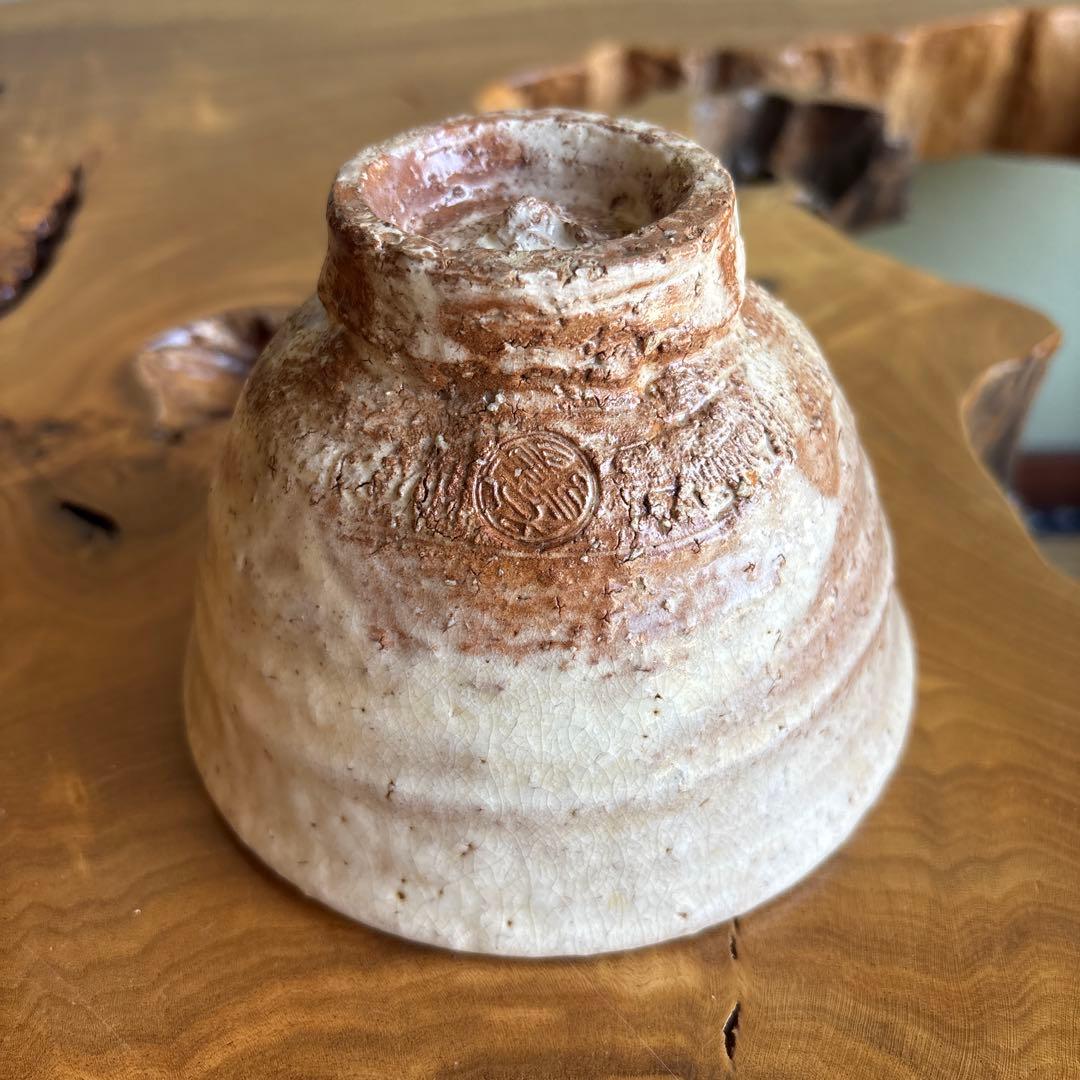
Experience authentic Japanese tea culture with this Hagi Ware Tea Bowl by Toyo (登陽). This Japanese Matcha Chawan serves as a Hagi Yaki masterpiece and Handmade Tea Ceremony Bowl, featuring the celebrated pink-cream Hagi glaze with warm fire-color blush—a must-have for any Zen Ceramic collector seeking the intimate warmth and wabi-sabi refinement of Hagi ceramics.
━━━━━━━━━━━━━━━━━━━━
🔹 [ BASIC DETAILS ]
• Artist: Toyo (登陽)
• Technique: Hagi glaze (萩釉) with hino-iro fire-color and crackle pattern
• Era: Contemporary (Heisei-Reiwa period)
• Origin: Hagi, Yamaguchi Prefecture, Japan
• Dimensions: Diameter approx. 13 cm × Height approx. 8.6 cm (5.1" × 3.4")
• Box: Tomobako (artist-signed wooden box)
• Condition: Excellent – no cracks, chips, or repairs
━━━━━━━━━━━━━━━━━━━━
🔹 [ CULTURAL & ARTISTIC INSIGHT ]
Hagi ware (萩焼) has occupied a place of profound reverence in Japanese tea culture since the early Edo period, when Korean potters brought to Hagi by the daimyo Mori Terumoto established kilns that would produce some of the most intimate and beloved ceramics in the tea world. The traditional Japanese ranking of tea bowls places Hagi second only to Raku — a position earned not by technical virtuosity but by the quality of feeling these bowls communicate in the hand.
This tea bowl by Toyo exemplifies what Hagi collectors prize most: the interplay of the feldspar-rich white glaze with warm hino-iro (火色, fire-color) blush spreading across the body. Visible from the images, the exterior carries a rich cloud of pink-rose and warm terra cotta tones rising from the foot — where kiln atmosphere was densest during firing — into the paler white-cream upper body. The soft crackle of the Hagi glaze (kan'nyu) creates a network of fine lines that will over decades absorb the tannins of tea, gradually changing the bowl's coloration in what tea masters call "Hagi no nanabake" — the seven transformations of Hagi.
The tall, clean profile with its characteristic flared foot ring gives this bowl a graceful, upright presence on the tatami. Its generous diameter and open form make it comfortable both to whisk and to hold against the palms in winter.
*"Pink as the sky before a mountain dawn — the Hagi bowl holds warmth the way old stone holds the sun after it sets."*
━━━━━━━━━━━━━━━━━━━━
🔹 [ DEEP-DIVE COMMENTARY ]
**Hagi Glaze Composition**: Traditional Hagi glaze is made from local feldspathic stone mixed with wood ash. The relatively high feldspar content creates the soft, translucent white that is Hagi's signature — not the bright optical white of porcelain, but a warm, organic white that seems to glow from within. Firing in an anagama or noborigama kiln adds the hino-iro fire-color that differentiates individual pieces.
**The Seven Transformations (萩の七化け)**: Hagi ware is celebrated for its tendency to change over time through use. The micro-porous nature of the Hagi glaze allows tea liquor to penetrate gradually, tinting the crackle network with brown-amber hues over years of use. A bowl that has been used for decades in a tea practice carries visible evidence of that history in its coloring — this transformation is considered a mark of quality, not deterioration.
**Korean Influence**: The origins of Hagi ware lie with Korean potters — particularly from the tradition of Korean Yi Dynasty wares — whose aesthetic sensibility emphasized natural, uncontrived beauty. The tall kikou (鬼板) foot ring characteristic of Hagi, visible on this piece, is a direct inheritance from Korean ceramic tradition, and it gives Hagi bowls their distinctive elevated, light-footed appearance.
**Toyo's Craftsmanship**: The consistent quality of the glaze application and the confident shaping of the rim and foot on this bowl indicate an experienced hand. The signed tomobako confirms the maker's satisfaction with this work as a representative piece.
━━━━━━━━━━━━━━━━━━━━
🔹 [ 日本語解説 ]
【基本情報】
• 作家:登陽
• 技法:萩釉、火色、貫入
• 時代:現代(平成〜令和)
• 産地:山口県・萩
• 寸法:直径約13cm × 高さ約8.6cm
• 付属:共箱
• 状態:良好(ヒビ・カケなし)
【解説】
萩焼は「一楽二萩三唐津」と称されるほど、茶道の世界で高く評価されてきた陶芸です。登陽による本作は、萩釉の柔らかな白とピンク系の火色が美しく混ざり合い、典型的な萩茶碗の温かみと品格を備えています。釉薬の貫入が長年の使用によって少しずつ変化する「萩の七化け」を楽しめる点も、萩焼ならではの醍醐味です。
やや大ぶりのサイズで高台が端正、茶室でも日常のお点前でも映える姿です。共箱付きで状態も良好。手のひらに収まる温もりと、時間とともに育つ景色をぜひご体験ください。
━━━━━━━━━━━━━━━━━━━━
🔹 [ SHIPPING & PACKAGING ]
• Dispatch: Within 1-6 business days
• Carrier: Japan Post EMS / UPS (with tracking)
• Packaging: Carefully wrapped with protective materials
*Second only to Raku in the tea world's esteem — Hagi holds fire and time together, asking only that you slow down enough to notice.*
━━━━━━━━━━━━━━━━━━━━
🔹 [ BASIC DETAILS ]
• Artist: Toyo (登陽)
• Technique: Hagi glaze (萩釉) with hino-iro fire-color and crackle pattern
• Era: Contemporary (Heisei-Reiwa period)
• Origin: Hagi, Yamaguchi Prefecture, Japan
• Dimensions: Diameter approx. 13 cm × Height approx. 8.6 cm (5.1" × 3.4")
• Box: Tomobako (artist-signed wooden box)
• Condition: Excellent – no cracks, chips, or repairs
━━━━━━━━━━━━━━━━━━━━
🔹 [ CULTURAL & ARTISTIC INSIGHT ]
Hagi ware (萩焼) has occupied a place of profound reverence in Japanese tea culture since the early Edo period, when Korean potters brought to Hagi by the daimyo Mori Terumoto established kilns that would produce some of the most intimate and beloved ceramics in the tea world. The traditional Japanese ranking of tea bowls places Hagi second only to Raku — a position earned not by technical virtuosity but by the quality of feeling these bowls communicate in the hand.
This tea bowl by Toyo exemplifies what Hagi collectors prize most: the interplay of the feldspar-rich white glaze with warm hino-iro (火色, fire-color) blush spreading across the body. Visible from the images, the exterior carries a rich cloud of pink-rose and warm terra cotta tones rising from the foot — where kiln atmosphere was densest during firing — into the paler white-cream upper body. The soft crackle of the Hagi glaze (kan'nyu) creates a network of fine lines that will over decades absorb the tannins of tea, gradually changing the bowl's coloration in what tea masters call "Hagi no nanabake" — the seven transformations of Hagi.
The tall, clean profile with its characteristic flared foot ring gives this bowl a graceful, upright presence on the tatami. Its generous diameter and open form make it comfortable both to whisk and to hold against the palms in winter.
*"Pink as the sky before a mountain dawn — the Hagi bowl holds warmth the way old stone holds the sun after it sets."*
━━━━━━━━━━━━━━━━━━━━
🔹 [ DEEP-DIVE COMMENTARY ]
**Hagi Glaze Composition**: Traditional Hagi glaze is made from local feldspathic stone mixed with wood ash. The relatively high feldspar content creates the soft, translucent white that is Hagi's signature — not the bright optical white of porcelain, but a warm, organic white that seems to glow from within. Firing in an anagama or noborigama kiln adds the hino-iro fire-color that differentiates individual pieces.
**The Seven Transformations (萩の七化け)**: Hagi ware is celebrated for its tendency to change over time through use. The micro-porous nature of the Hagi glaze allows tea liquor to penetrate gradually, tinting the crackle network with brown-amber hues over years of use. A bowl that has been used for decades in a tea practice carries visible evidence of that history in its coloring — this transformation is considered a mark of quality, not deterioration.
**Korean Influence**: The origins of Hagi ware lie with Korean potters — particularly from the tradition of Korean Yi Dynasty wares — whose aesthetic sensibility emphasized natural, uncontrived beauty. The tall kikou (鬼板) foot ring characteristic of Hagi, visible on this piece, is a direct inheritance from Korean ceramic tradition, and it gives Hagi bowls their distinctive elevated, light-footed appearance.
**Toyo's Craftsmanship**: The consistent quality of the glaze application and the confident shaping of the rim and foot on this bowl indicate an experienced hand. The signed tomobako confirms the maker's satisfaction with this work as a representative piece.
━━━━━━━━━━━━━━━━━━━━
🔹 [ 日本語解説 ]
【基本情報】
• 作家:登陽
• 技法:萩釉、火色、貫入
• 時代:現代(平成〜令和)
• 産地:山口県・萩
• 寸法:直径約13cm × 高さ約8.6cm
• 付属:共箱
• 状態:良好(ヒビ・カケなし)
【解説】
萩焼は「一楽二萩三唐津」と称されるほど、茶道の世界で高く評価されてきた陶芸です。登陽による本作は、萩釉の柔らかな白とピンク系の火色が美しく混ざり合い、典型的な萩茶碗の温かみと品格を備えています。釉薬の貫入が長年の使用によって少しずつ変化する「萩の七化け」を楽しめる点も、萩焼ならではの醍醐味です。
やや大ぶりのサイズで高台が端正、茶室でも日常のお点前でも映える姿です。共箱付きで状態も良好。手のひらに収まる温もりと、時間とともに育つ景色をぜひご体験ください。
━━━━━━━━━━━━━━━━━━━━
🔹 [ SHIPPING & PACKAGING ]
• Dispatch: Within 1-6 business days
• Carrier: Japan Post EMS / UPS (with tracking)
• Packaging: Carefully wrapped with protective materials
*Second only to Raku in the tea world's esteem — Hagi holds fire and time together, asking only that you slow down enough to notice.*
Quantity
Couldn't load pickup availability
Out of stock
View full details