1
/
of
20
Hagi Ware Tea Bowl by Nakamura Nifuu - Oya Kiln Chawan with Daitokuji Inscription Box
Hagi Ware Tea Bowl by Nakamura Nifuu - Oya Kiln Chawan with Daitokuji Inscription Box
Regular price
Dhs. 993.00 AED
Regular price
Sale price
Dhs. 993.00 AED
Taxes included.
Shipping calculated at checkout.
Experience Authentic Japan Art with this Hagi Ware Tea Bowl. This Japanese Matcha Chawan serves as a Nakamura Nifuu Pottery and Oya Kiln Ceramic, featuring Wabi Sabi Tea Bowl aesthetics and Biwa Color Glaze—a must-have for any Art Collector seeking Zen Tea Accessories and a Daitokuji Temple Piece.
━━━━━━━━━━━━━━━━━━━━
🔹 [ BASIC DETAILS ]
• Artist: Nakamura Nifuu (中村二夫), Oya Kiln (大屋窯)
• Inscription: Hosoai Katsudo (細合喝堂), Former Abbot of Daitokuji Temple
• Technique: Hagi glaze with natural crazing (kannyu/貫入)
• Era: Contemporary (Heisei period)
• Origin: Hagi, Yamaguchi Prefecture, Japan
• Dimensions: Height approx. 8 cm, Diameter approx. 14.5 cm (3.1 x 5.7 in)
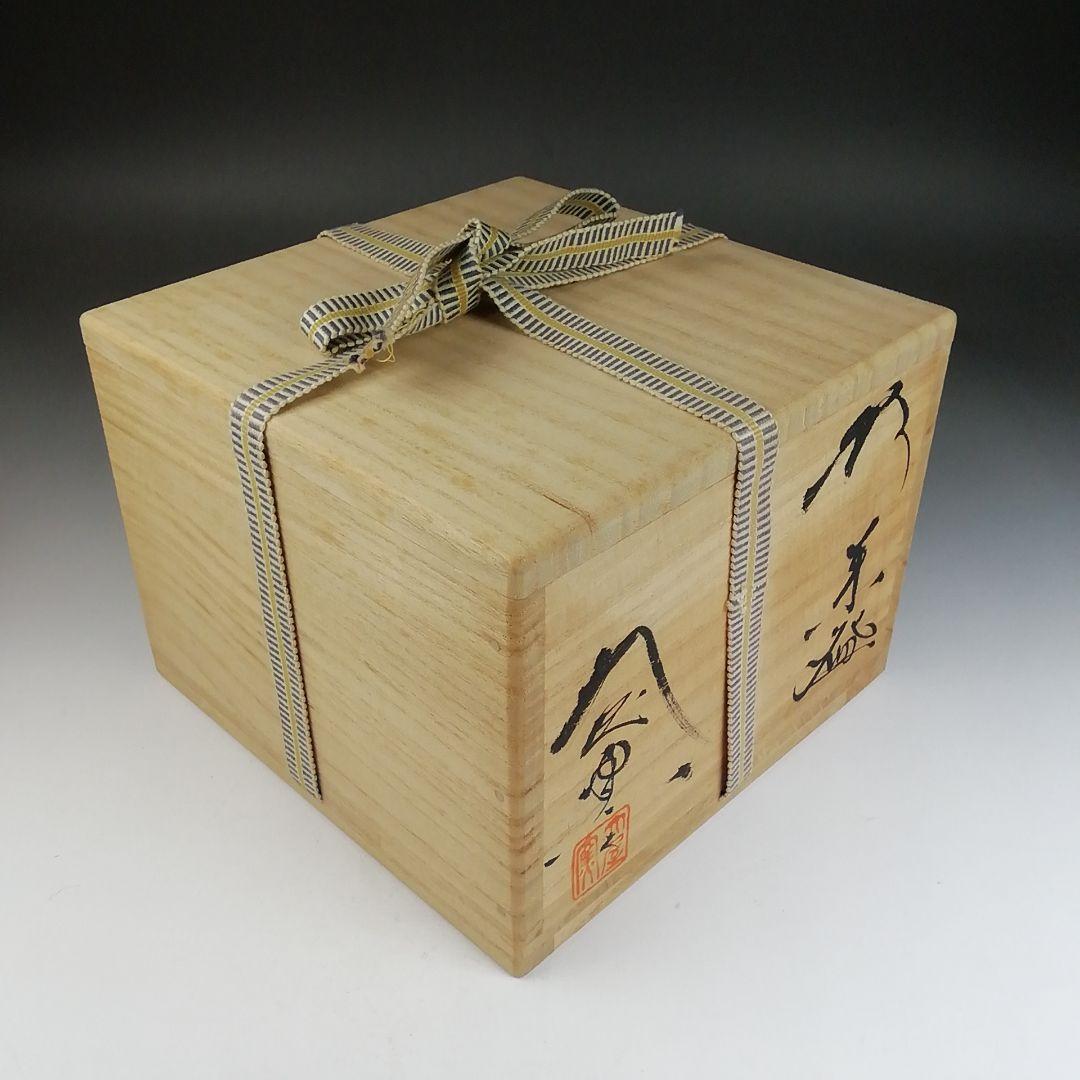
• Box: Signed tomobako with Daitokuji temple inscription (書付共箱)
• Condition: Excellent — no chips, cracks, or repairs
━━━━━━━━━━━━━━━━━━━━
🔹 [ CULTURAL & ARTISTIC INSIGHT ]
Hagi ware holds a position of profound respect in Japanese tea culture, traditionally ranked "first Raku, second Hagi, third Karatsu" (一楽二萩三唐津) among tea ceremony ceramics. Born in the early Edo period when Korean potters were brought to Yamaguchi Prefecture by the Mori clan, Hagi ware developed a distinctive identity characterized by its soft, warm glazes, porous clay body, and the celebrated phenomenon of "seven transformations" (nana-bake/七化け).
This tea bowl by Nakamura Nifuu of the Oya Kiln displays the quintessential Hagi aesthetic—a warm biwa (loquat) colored glaze that wraps the bowl in tones of peach, cream, and soft amber. The surface carries the characteristic crazing (kannyu) that will deepen over years of tea use, allowing the bowl to evolve and mature alongside its owner. The form is generous and open, with a gentle flare at the rim and a modest foot ring typical of Hagi tradition.
The tomobako inscription by Hosoai Katsudo, a former abbot of Daitokuji temple, certifies this bowl's suitability for the tea room. The bowl bears the poetic name inscribed on the box lid, adding a layer of literary identity to the ceramic work.
*"Warm as the first light of morning on clay walls—this bowl carries the patience of Hagi's four hundred autumns."*
━━━━━━━━━━━━━━━━━━━━
🔹 [ DEEP-DIVE COMMENTARY ]
**The Hagi Tradition**: Hagi ware traces its origins to the Korean potters Yi Sukkwang and Yi Kyung, who established kilns in Yamaguchi Prefecture under the patronage of the Mori clan after the Japanese invasions of Korea in the 1590s. Over four centuries, Hagi has evolved from Korean folk pottery roots into one of Japan's most sophisticated tea ceramic traditions, prized for its soft texture and living quality.
**The Oya Kiln**: The Oya Kiln (大屋窯) is among the established workshops in the Hagi ceramic community. Nakamura Nifuu's work from this kiln demonstrates mastery of the classic Hagi palette—the warm biwa-iro that has made Hagi bowls beloved by tea practitioners. The Oya Kiln continues the tradition of using local Daido clay, which gives Hagi ware its characteristic porosity and warmth.
**Seven Transformations**: Hagi ware's famous nana-bake (七化け) refers to the way the porous clay body gradually absorbs tea liquid through the crazing in the glaze. Over years of use, the bowl develops deeper color variations, staining patterns, and a patina that is uniquely personal to its owner. This quality makes each Hagi bowl a living ceramic—one that grows more beautiful with age and use.
**Collector Significance**: A Hagi tea bowl with a Daitokuji inscription combines two pillars of Japanese tea culture: the warmth of Yamaguchi's ceramic tradition and the authority of Kyoto's Zen establishment. Hosoai Katsudo's inscription confirms this bowl's status as a serious tea utensil, suitable for formal gatherings where ceramic pedigree matters.
━━━━━━━━━━━━━━━━━━━━
🔹 [ 日本語解説 ]
【基本情報】
• 作家:中村二夫(大屋窯)
• 書付:前大徳寺 細合喝堂
• 技法:萩釉・貫入
• 時代:現代(平成期)
• 産地:山口県萩市
• 寸法:高さ約8cm、口径約14.5cm
• 付属:書付共箱
• 状態:良好(割れ・欠けなし)
【解説】
「一楽二萩三唐津」と称される萩焼は、茶の湯において最も格の高い茶碗の一つとして愛されてきました。慶長年間、毛利藩の庇護のもと朝鮮半島から渡来した陶工によって始められた萩焼は、四百年の歴史を経て日本独自の茶陶として成熟しました。
本作は大屋窯・中村二夫による萩茶碗で、枇杷色と呼ばれる温かみのある萩釉が全面を覆い、細かな貫入が走っています。口縁は柔らかく開き、高台は萩焼らしい控えめな作りで、手に収まりのよい端正な姿です。
萩焼の真価は「七化け」と呼ばれる経年変化にあります。使い込むほどに茶の色が貫入から染み込み、世界にただ一つの景色を生み出します。共箱には前大徳寺・細合喝堂師の書付があり、茶席にふさわしい一碗として認められた格式を備えています。
━━━━━━━━━━━━━━━━━━━━
🔹 [ SHIPPING & PACKAGING ]
• Dispatch: Within 1-6 business days
• Carrier: Japan Post EMS / UPS (with tracking)
• Packaging: Carefully wrapped with protective materials
*Four centuries of quiet transformation live in every crack and pore—this bowl waits to begin its journey with you.*
━━━━━━━━━━━━━━━━━━━━
🔹 [ BASIC DETAILS ]
• Artist: Nakamura Nifuu (中村二夫), Oya Kiln (大屋窯)
• Inscription: Hosoai Katsudo (細合喝堂), Former Abbot of Daitokuji Temple
• Technique: Hagi glaze with natural crazing (kannyu/貫入)
• Era: Contemporary (Heisei period)
• Origin: Hagi, Yamaguchi Prefecture, Japan
• Dimensions: Height approx. 8 cm, Diameter approx. 14.5 cm (3.1 x 5.7 in)
• Box: Signed tomobako with Daitokuji temple inscription (書付共箱)
• Condition: Excellent — no chips, cracks, or repairs
━━━━━━━━━━━━━━━━━━━━
🔹 [ CULTURAL & ARTISTIC INSIGHT ]
Hagi ware holds a position of profound respect in Japanese tea culture, traditionally ranked "first Raku, second Hagi, third Karatsu" (一楽二萩三唐津) among tea ceremony ceramics. Born in the early Edo period when Korean potters were brought to Yamaguchi Prefecture by the Mori clan, Hagi ware developed a distinctive identity characterized by its soft, warm glazes, porous clay body, and the celebrated phenomenon of "seven transformations" (nana-bake/七化け).
This tea bowl by Nakamura Nifuu of the Oya Kiln displays the quintessential Hagi aesthetic—a warm biwa (loquat) colored glaze that wraps the bowl in tones of peach, cream, and soft amber. The surface carries the characteristic crazing (kannyu) that will deepen over years of tea use, allowing the bowl to evolve and mature alongside its owner. The form is generous and open, with a gentle flare at the rim and a modest foot ring typical of Hagi tradition.
The tomobako inscription by Hosoai Katsudo, a former abbot of Daitokuji temple, certifies this bowl's suitability for the tea room. The bowl bears the poetic name inscribed on the box lid, adding a layer of literary identity to the ceramic work.
*"Warm as the first light of morning on clay walls—this bowl carries the patience of Hagi's four hundred autumns."*
━━━━━━━━━━━━━━━━━━━━
🔹 [ DEEP-DIVE COMMENTARY ]
**The Hagi Tradition**: Hagi ware traces its origins to the Korean potters Yi Sukkwang and Yi Kyung, who established kilns in Yamaguchi Prefecture under the patronage of the Mori clan after the Japanese invasions of Korea in the 1590s. Over four centuries, Hagi has evolved from Korean folk pottery roots into one of Japan's most sophisticated tea ceramic traditions, prized for its soft texture and living quality.
**The Oya Kiln**: The Oya Kiln (大屋窯) is among the established workshops in the Hagi ceramic community. Nakamura Nifuu's work from this kiln demonstrates mastery of the classic Hagi palette—the warm biwa-iro that has made Hagi bowls beloved by tea practitioners. The Oya Kiln continues the tradition of using local Daido clay, which gives Hagi ware its characteristic porosity and warmth.
**Seven Transformations**: Hagi ware's famous nana-bake (七化け) refers to the way the porous clay body gradually absorbs tea liquid through the crazing in the glaze. Over years of use, the bowl develops deeper color variations, staining patterns, and a patina that is uniquely personal to its owner. This quality makes each Hagi bowl a living ceramic—one that grows more beautiful with age and use.
**Collector Significance**: A Hagi tea bowl with a Daitokuji inscription combines two pillars of Japanese tea culture: the warmth of Yamaguchi's ceramic tradition and the authority of Kyoto's Zen establishment. Hosoai Katsudo's inscription confirms this bowl's status as a serious tea utensil, suitable for formal gatherings where ceramic pedigree matters.
━━━━━━━━━━━━━━━━━━━━
🔹 [ 日本語解説 ]
【基本情報】
• 作家:中村二夫(大屋窯)
• 書付:前大徳寺 細合喝堂
• 技法:萩釉・貫入
• 時代:現代(平成期)
• 産地:山口県萩市
• 寸法:高さ約8cm、口径約14.5cm
• 付属:書付共箱
• 状態:良好(割れ・欠けなし)
【解説】
「一楽二萩三唐津」と称される萩焼は、茶の湯において最も格の高い茶碗の一つとして愛されてきました。慶長年間、毛利藩の庇護のもと朝鮮半島から渡来した陶工によって始められた萩焼は、四百年の歴史を経て日本独自の茶陶として成熟しました。
本作は大屋窯・中村二夫による萩茶碗で、枇杷色と呼ばれる温かみのある萩釉が全面を覆い、細かな貫入が走っています。口縁は柔らかく開き、高台は萩焼らしい控えめな作りで、手に収まりのよい端正な姿です。
萩焼の真価は「七化け」と呼ばれる経年変化にあります。使い込むほどに茶の色が貫入から染み込み、世界にただ一つの景色を生み出します。共箱には前大徳寺・細合喝堂師の書付があり、茶席にふさわしい一碗として認められた格式を備えています。
━━━━━━━━━━━━━━━━━━━━
🔹 [ SHIPPING & PACKAGING ]
• Dispatch: Within 1-6 business days
• Carrier: Japan Post EMS / UPS (with tracking)
• Packaging: Carefully wrapped with protective materials
*Four centuries of quiet transformation live in every crack and pore—this bowl waits to begin its journey with you.*
Quantity
Couldn't load pickup availability
Low stock: 1 left
View full details