1
/
of
19
Hagi Ware Tea Bowl by Hirose Tanga - Tenpozan Kiln White Glaze Chawan
Hagi Ware Tea Bowl by Hirose Tanga - Tenpozan Kiln White Glaze Chawan
Regular price
Dhs. 993.00 AED
Regular price
Sale price
Dhs. 993.00 AED
Taxes included.
Shipping calculated at checkout.
Experience authentic Japanese tea culture with this Hagi Ware Tea Bowl. This Japanese Matcha Bowl serves as a Hirose Tanga masterwork and Japanese Chawan, featuring White Hagi Glaze with Crazing Pattern and Ido Shape Bowl tradition—a must-have for any Art Collector seeking Tea Ceremony Art from the Tenpozan Kiln in Yamaguchi Prefecture.
━━━━━━━━━━━━━━━━━━━━
🔹 [ BASIC DETAILS ]
• Artist: Hirose Tanga (廣瀬淡雅)
• Technique: Hagi ware with white glaze and natural crazing
• Era: Contemporary (Heisei–Reiwa period)
• Origin: Tenpozan kiln, Hagi, Yamaguchi Prefecture
• Dimensions: Height approx. 8.5 cm (3.3 in), Diameter approx. 15 cm (5.9 in)
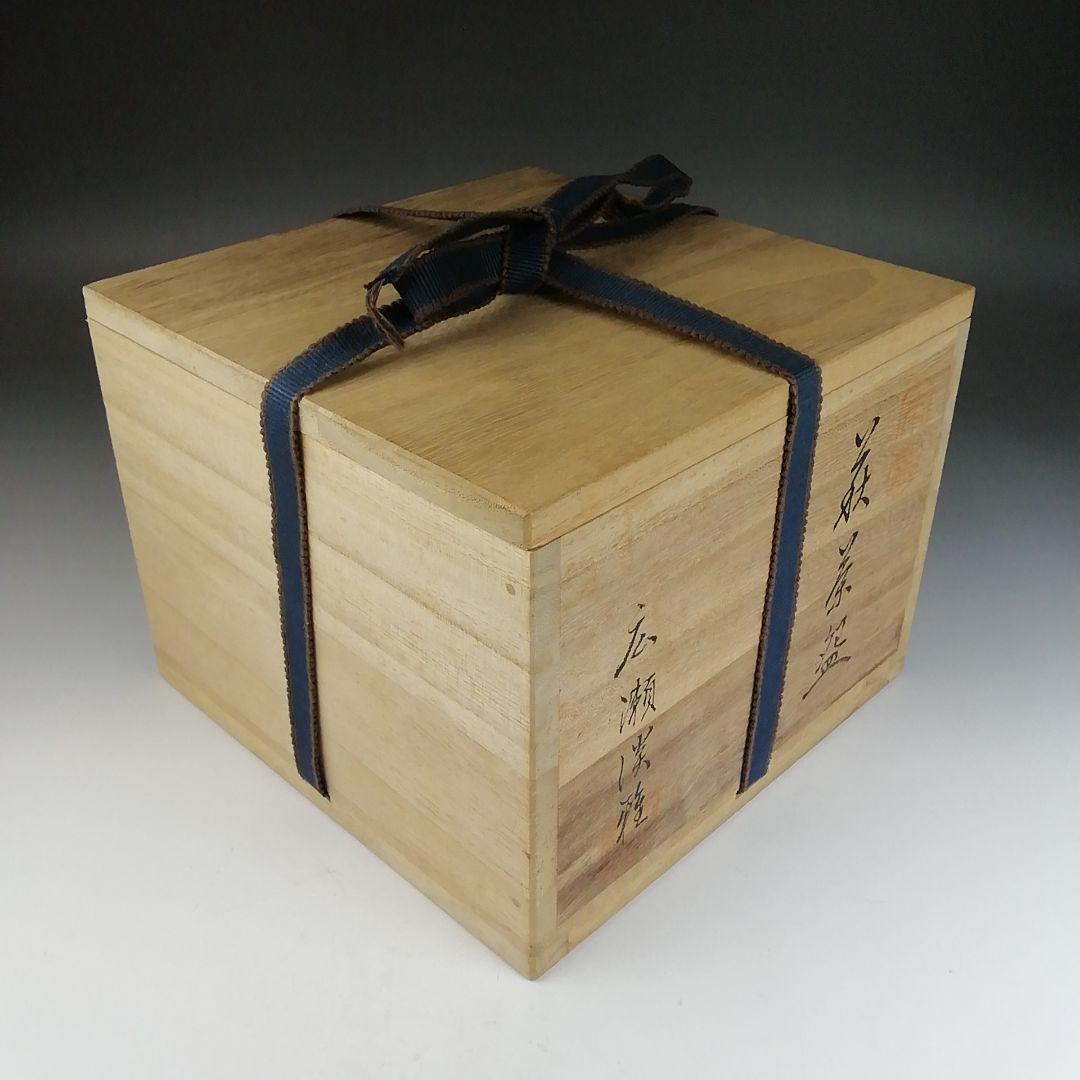
• Box: Signed wooden box (tomobako) with artist signature
• Condition: Excellent — no chips or cracks
━━━━━━━━━━━━━━━━━━━━
🔹 [ CULTURAL & ARTISTIC INSIGHT ]
Hagi ware occupies a singular position within Japanese tea ceremony aesthetics — ranked historically alongside Raku and Karatsu as one of the three most valued tea wares. Its status derives not from technical perfection but from philosophical alignment with wabi-sabi principles where transience and transformation carry meaning. The soft, porous clay body allows tea to gradually stain the crazing network, creating patterns that map years of use.
Hirose Tanga works within Tenpozan kiln's lineage, maintaining glaze formulations and firing methods that produce Hagi's signature soft white surface. The extensive crazing visible across this bowl's interior and exterior occurs when glaze and clay cool at different rates after firing, creating fine surface cracks. Rather than representing flaw, these cracks serve as channels through which tea penetrates the glaze layer, initiating the aging process that Hagi collectors prize.
The Ido (well) form — slightly wider at the rim than the base, with gently curving walls — references Korean rice bowls that became treasured tea bowls in Japan during the 16th century. This shape allows tea to pool visibly, creates comfortable hand placement, and provides thermal mass that maintains temperature during tea preparation. The visible clay body (tsuchimi) at the foot, left unglazed, shows the raw material's warm earth tone and porous texture.
*"Hagi does not complete itself in the kiln — it begins there, then unfolds through years of handling and tea."*
━━━━━━━━━━━━━━━━━━━━
🔹 [ DEEP-DIVE COMMENTARY ]
**Kannyu (Crazing)**: The network of fine cracks covering this bowl's surface results from differential cooling rates between clay body and glaze layer. In Hagi ware, kannyu serves aesthetic and functional purposes — it creates visual texture, allows tea to stain the glaze gradually, and produces the subtle crackling sound when hot water first contacts the bowl.
**Chawan wo Sodateru (Nurturing the Tea Bowl)**: This phrase describes how Hagi ware changes through use. Tea gradually penetrates the crazing, staining the glaze from within and creating patterns unique to each bowl's usage history. The process can take years or decades, with the bowl's appearance serving as visual record of tea ceremonies performed.
**Hagi's Historical Significance**: Hagi pottery emerged in the early 17th century when Korean potters settled in Yamaguchi Prefecture following the Japanese invasions of Korea. Their techniques combined with local materials and tea ceremony aesthetics to create a distinct style. Tea master Sen no Rikyu's preference for Korean-style simplicity elevated Hagi ware to its current status.
**Tenpozan Kiln**: Located in Hagi city, Tenpozan kiln maintains traditional climbing kiln (noborigama) structures and firing methods. The kiln's name references Tenpozan mountain, and its lineage extends back to Hagi's formative period. Hirose Tanga's work continues this tradition while addressing contemporary tea practice.
━━━━━━━━━━━━━━━━━━━━
🔹 [ 日本語解説 ]
【基本情報】
• 作家:廣瀬淡雅
• 技法:萩焼・白釉・貫入
• 時代:平成〜令和
• 産地:山口県萩市・天鵬山窯
• 寸法:高さ約8.5cm、口径約15cm
• 付属:共箱(作家署名入り)
• 状態:無傷・良好
【解説】
萩焼は、楽焼・唐津焼とともに「茶陶三名器」として古くから茶人に愛されてきました。その魅力は、完成された美しさではなく、使い込むほどに味わいを増す「育てる器」としての性質にあります。本作品は、天鵬山窯の廣瀬淡雅による茶碗で、萩焼の特徴である柔らかな白釉と、全面に広がる貫入が見事に表現されています。
貫入とは、焼成後の冷却過程で釉薬と土が異なる収縮率で冷めることで生じる細かなヒビのことです。萩焼では、この貫入を通じて茶が浸透し、使い込むほどに味わい深い景色へと変化していきます。これを「茶碗を育てる」と表現し、萩焼の最大の醍醐味とされています。
井戸形と呼ばれる形状は、朝鮮半島の飯碗に由来し、16世紀に茶人たちが茶碗として見立てたことから広まりました。口縁がやや広がり、緩やかに湾曲する胴部は、茶を点てる際の所作を美しく見せ、手に馴染む重量感を持ちます。高台の土見せ部分からは、萩焼特有の柔らかな土の質感が感じられます。
━━━━━━━━━━━━━━━━━━━━
🔹 [ SHIPPING & PACKAGING ]
• Dispatch: Within 1-6 business days
• Carrier: Japan Post EMS / UPS (with tracking)
• Packaging: Carefully wrapped with protective materials
*The bowl remembers every bowl of tea.*
━━━━━━━━━━━━━━━━━━━━
🔹 [ BASIC DETAILS ]
• Artist: Hirose Tanga (廣瀬淡雅)
• Technique: Hagi ware with white glaze and natural crazing
• Era: Contemporary (Heisei–Reiwa period)
• Origin: Tenpozan kiln, Hagi, Yamaguchi Prefecture
• Dimensions: Height approx. 8.5 cm (3.3 in), Diameter approx. 15 cm (5.9 in)
• Box: Signed wooden box (tomobako) with artist signature
• Condition: Excellent — no chips or cracks
━━━━━━━━━━━━━━━━━━━━
🔹 [ CULTURAL & ARTISTIC INSIGHT ]
Hagi ware occupies a singular position within Japanese tea ceremony aesthetics — ranked historically alongside Raku and Karatsu as one of the three most valued tea wares. Its status derives not from technical perfection but from philosophical alignment with wabi-sabi principles where transience and transformation carry meaning. The soft, porous clay body allows tea to gradually stain the crazing network, creating patterns that map years of use.
Hirose Tanga works within Tenpozan kiln's lineage, maintaining glaze formulations and firing methods that produce Hagi's signature soft white surface. The extensive crazing visible across this bowl's interior and exterior occurs when glaze and clay cool at different rates after firing, creating fine surface cracks. Rather than representing flaw, these cracks serve as channels through which tea penetrates the glaze layer, initiating the aging process that Hagi collectors prize.
The Ido (well) form — slightly wider at the rim than the base, with gently curving walls — references Korean rice bowls that became treasured tea bowls in Japan during the 16th century. This shape allows tea to pool visibly, creates comfortable hand placement, and provides thermal mass that maintains temperature during tea preparation. The visible clay body (tsuchimi) at the foot, left unglazed, shows the raw material's warm earth tone and porous texture.
*"Hagi does not complete itself in the kiln — it begins there, then unfolds through years of handling and tea."*
━━━━━━━━━━━━━━━━━━━━
🔹 [ DEEP-DIVE COMMENTARY ]
**Kannyu (Crazing)**: The network of fine cracks covering this bowl's surface results from differential cooling rates between clay body and glaze layer. In Hagi ware, kannyu serves aesthetic and functional purposes — it creates visual texture, allows tea to stain the glaze gradually, and produces the subtle crackling sound when hot water first contacts the bowl.
**Chawan wo Sodateru (Nurturing the Tea Bowl)**: This phrase describes how Hagi ware changes through use. Tea gradually penetrates the crazing, staining the glaze from within and creating patterns unique to each bowl's usage history. The process can take years or decades, with the bowl's appearance serving as visual record of tea ceremonies performed.
**Hagi's Historical Significance**: Hagi pottery emerged in the early 17th century when Korean potters settled in Yamaguchi Prefecture following the Japanese invasions of Korea. Their techniques combined with local materials and tea ceremony aesthetics to create a distinct style. Tea master Sen no Rikyu's preference for Korean-style simplicity elevated Hagi ware to its current status.
**Tenpozan Kiln**: Located in Hagi city, Tenpozan kiln maintains traditional climbing kiln (noborigama) structures and firing methods. The kiln's name references Tenpozan mountain, and its lineage extends back to Hagi's formative period. Hirose Tanga's work continues this tradition while addressing contemporary tea practice.
━━━━━━━━━━━━━━━━━━━━
🔹 [ 日本語解説 ]
【基本情報】
• 作家:廣瀬淡雅
• 技法:萩焼・白釉・貫入
• 時代:平成〜令和
• 産地:山口県萩市・天鵬山窯
• 寸法:高さ約8.5cm、口径約15cm
• 付属:共箱(作家署名入り)
• 状態:無傷・良好
【解説】
萩焼は、楽焼・唐津焼とともに「茶陶三名器」として古くから茶人に愛されてきました。その魅力は、完成された美しさではなく、使い込むほどに味わいを増す「育てる器」としての性質にあります。本作品は、天鵬山窯の廣瀬淡雅による茶碗で、萩焼の特徴である柔らかな白釉と、全面に広がる貫入が見事に表現されています。
貫入とは、焼成後の冷却過程で釉薬と土が異なる収縮率で冷めることで生じる細かなヒビのことです。萩焼では、この貫入を通じて茶が浸透し、使い込むほどに味わい深い景色へと変化していきます。これを「茶碗を育てる」と表現し、萩焼の最大の醍醐味とされています。
井戸形と呼ばれる形状は、朝鮮半島の飯碗に由来し、16世紀に茶人たちが茶碗として見立てたことから広まりました。口縁がやや広がり、緩やかに湾曲する胴部は、茶を点てる際の所作を美しく見せ、手に馴染む重量感を持ちます。高台の土見せ部分からは、萩焼特有の柔らかな土の質感が感じられます。
━━━━━━━━━━━━━━━━━━━━
🔹 [ SHIPPING & PACKAGING ]
• Dispatch: Within 1-6 business days
• Carrier: Japan Post EMS / UPS (with tracking)
• Packaging: Carefully wrapped with protective materials
*The bowl remembers every bowl of tea.*
Quantity
Couldn't load pickup availability
Low stock: 1 left
View full details