1
/
of
18
Hagi Ware Tea Bowl by Hirose Tanga - Tenpozan Kiln Chawan with Signed Box
Regular price
Dhs. 993.00 AED
Regular price
Sale price
Dhs. 993.00 AED
Taxes included.
Shipping calculated at checkout.
Experience Authentic Japanese Tea Culture with this Hagi Ware Tea Bowl. This Japanese Matcha Chawan serves as a Tenpozan Kiln Ceramic and Hirose Tanga Pottery, featuring Wabi Sabi Tea Bowl aesthetics and Seven Transformations tradition—a must-have for any Art Collector seeking Yamaguchi Prefecture Art and Zen Tea Ceremony accessories.
━━━━━━━━━━━━━━━━━━━━
🔹 [ BASIC DETAILS ]
• Artist: Hirose Tanga (広瀬淡雅)
• Technique: Classic Hagi glaze with natural crazing (kannyu)
• Era: Contemporary (Heisei–Reiwa period)
• Origin: Hagi, Yamaguchi Prefecture, Japan (Tenpozan kiln / 天鵬山窯)
• Dimensions: Height approx. 9.5 cm (3.7 in), Diameter approx. 12 cm (4.7 in)
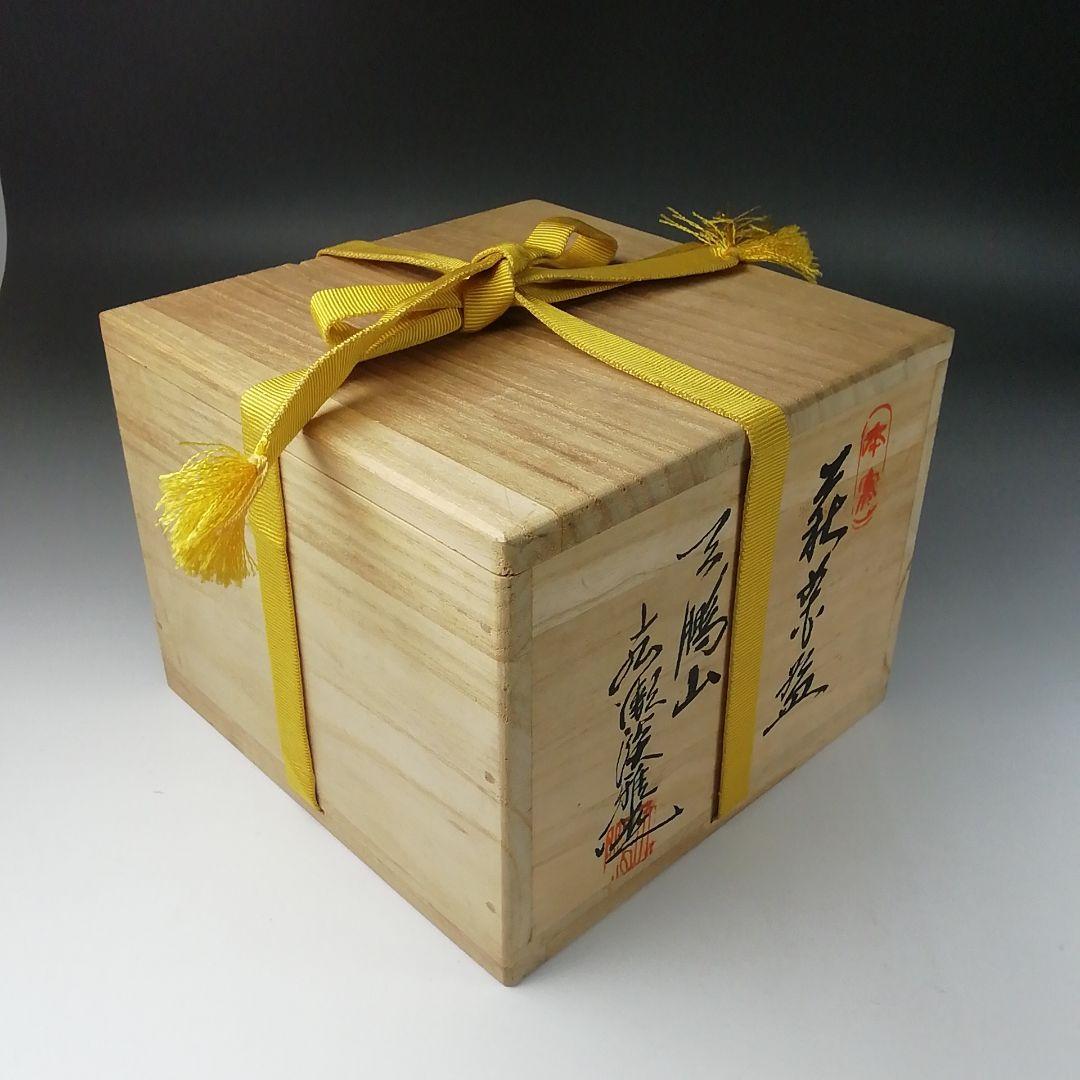
• Box: Signed tomobako with artist's seal (共箱)
• Condition: Excellent — no chips, cracks, or repairs
━━━━━━━━━━━━━━━━━━━━
🔹 [ CULTURAL & ARTISTIC INSIGHT ]
Hagi ware stands among the most revered ceramics in the Japanese tea tradition. The saying "First Raku, second Hagi, third Karatsu" (一楽二萩三唐津) speaks to its centuries-old status among tea practitioners. Born from the Korean pottery lineage brought to Yamaguchi in the early 17th century, Hagi ware embodies the wabi-sabi philosophy—where imperfection and impermanence constitute the highest form of beauty.
This tea bowl by Hirose Tanga of the Tenpozan kiln displays the quintessential Hagi character: a warm biwa (loquat) colored glaze that drifts between cream and soft pink, a surface alive with fine crazing lines (kannyu), and a deliberately rough, unglazed foot ring that grounds the vessel in earthy authenticity. The gentle undulations of the rim invite the hands to explore, each turn revealing a new landscape of texture and color.
*"The cracks in Hagi are not flaws—they are the pathways through which tea stains the clay, and time becomes visible."*
━━━━━━━━━━━━━━━━━━━━
🔹 [ DEEP-DIVE COMMENTARY ]
**The Hagi Tradition**: Hagi ware traces its origins to the Mori clan's patronage of Korean potters after Toyotomi Hideyoshi's campaigns. For over four centuries, Hagi kilns have maintained their distinctive soft clay bodies and translucent glazes, earning a permanent place in the hierarchy of tea ceramics.
**Technical Achievement**: The characteristic Hagi glaze derives from a combination of local Daido clay and feldspar-rich ash glazes fired at relatively low temperatures. The resulting porosity and network of fine crazing (kannyu) are not mere accidents—they are the mechanism behind Hagi's celebrated "Seven Transformations" (nana-bake), whereby the bowl's color deepens and evolves with use over decades of tea practice.
**Collector Significance**: The Tenpozan kiln under Hirose Tanga continues the authentic Hagi lineage. A signed tomobako with the artist's calligraphy and seal confirms provenance and adds to the work's collectible value. The warm biwa tone of this particular bowl places it squarely in the classic Hagi aesthetic.
**Living with Hagi**: Unlike display-only ceramics, Hagi ware is meant to be used. Each bowl of matcha whisked in this chawan will gradually darken the crazing pattern, creating what tea masters call the bowl's personal history. This transformation is considered one of the great pleasures of tea practice.
━━━━━━━━━━━━━━━━━━━━
🔹 [ 日本語解説 ]
【基本情報】
• 作家:広瀬淡雅
• 技法:萩釉・貫入
• 時代:現代(平成〜令和)
• 産地:山口県萩市(天鵬山窯)
• 寸法:高さ約9.5cm、口径約12cm
• 付属:共箱
• 状態:良好(割れ・欠けなし)
【解説】
「一楽二萩三唐津」と称される萩焼は、茶の湯の世界において最も尊重される焼物の一つです。広瀬淡雅氏の天鵬山窯は、萩焼の伝統を受け継ぎながら、温かみのある枇杷色の釉薬と繊細な貫入が特徴的な作品を生み出しています。
本品は、柔らかなクリーム色から淡い桃色へと移ろう釉調が見事で、表面に広がる貫入の網目は、使い込むほどに茶渋が染み込み「萩の七化け」と呼ばれる経年変化を楽しめます。荒々しい土見せの高台は萩焼らしい土味を感じさせ、手に取ると温かく柔らかな手触りが心を静めます。
━━━━━━━━━━━━━━━━━━━━
🔹 [ SHIPPING & PACKAGING ]
• Dispatch: Within 1-6 business days
• Carrier: Japan Post EMS / UPS (with tracking)
• Packaging: Carefully wrapped with protective materials
*In Hagi, time does not erode—it enriches. Each cup of tea writes another line in the bowl's unfolding story.*
━━━━━━━━━━━━━━━━━━━━
🔹 [ BASIC DETAILS ]
• Artist: Hirose Tanga (広瀬淡雅)
• Technique: Classic Hagi glaze with natural crazing (kannyu)
• Era: Contemporary (Heisei–Reiwa period)
• Origin: Hagi, Yamaguchi Prefecture, Japan (Tenpozan kiln / 天鵬山窯)
• Dimensions: Height approx. 9.5 cm (3.7 in), Diameter approx. 12 cm (4.7 in)
• Box: Signed tomobako with artist's seal (共箱)
• Condition: Excellent — no chips, cracks, or repairs
━━━━━━━━━━━━━━━━━━━━
🔹 [ CULTURAL & ARTISTIC INSIGHT ]
Hagi ware stands among the most revered ceramics in the Japanese tea tradition. The saying "First Raku, second Hagi, third Karatsu" (一楽二萩三唐津) speaks to its centuries-old status among tea practitioners. Born from the Korean pottery lineage brought to Yamaguchi in the early 17th century, Hagi ware embodies the wabi-sabi philosophy—where imperfection and impermanence constitute the highest form of beauty.
This tea bowl by Hirose Tanga of the Tenpozan kiln displays the quintessential Hagi character: a warm biwa (loquat) colored glaze that drifts between cream and soft pink, a surface alive with fine crazing lines (kannyu), and a deliberately rough, unglazed foot ring that grounds the vessel in earthy authenticity. The gentle undulations of the rim invite the hands to explore, each turn revealing a new landscape of texture and color.
*"The cracks in Hagi are not flaws—they are the pathways through which tea stains the clay, and time becomes visible."*
━━━━━━━━━━━━━━━━━━━━
🔹 [ DEEP-DIVE COMMENTARY ]
**The Hagi Tradition**: Hagi ware traces its origins to the Mori clan's patronage of Korean potters after Toyotomi Hideyoshi's campaigns. For over four centuries, Hagi kilns have maintained their distinctive soft clay bodies and translucent glazes, earning a permanent place in the hierarchy of tea ceramics.
**Technical Achievement**: The characteristic Hagi glaze derives from a combination of local Daido clay and feldspar-rich ash glazes fired at relatively low temperatures. The resulting porosity and network of fine crazing (kannyu) are not mere accidents—they are the mechanism behind Hagi's celebrated "Seven Transformations" (nana-bake), whereby the bowl's color deepens and evolves with use over decades of tea practice.
**Collector Significance**: The Tenpozan kiln under Hirose Tanga continues the authentic Hagi lineage. A signed tomobako with the artist's calligraphy and seal confirms provenance and adds to the work's collectible value. The warm biwa tone of this particular bowl places it squarely in the classic Hagi aesthetic.
**Living with Hagi**: Unlike display-only ceramics, Hagi ware is meant to be used. Each bowl of matcha whisked in this chawan will gradually darken the crazing pattern, creating what tea masters call the bowl's personal history. This transformation is considered one of the great pleasures of tea practice.
━━━━━━━━━━━━━━━━━━━━
🔹 [ 日本語解説 ]
【基本情報】
• 作家:広瀬淡雅
• 技法:萩釉・貫入
• 時代:現代(平成〜令和)
• 産地:山口県萩市(天鵬山窯)
• 寸法:高さ約9.5cm、口径約12cm
• 付属:共箱
• 状態:良好(割れ・欠けなし)
【解説】
「一楽二萩三唐津」と称される萩焼は、茶の湯の世界において最も尊重される焼物の一つです。広瀬淡雅氏の天鵬山窯は、萩焼の伝統を受け継ぎながら、温かみのある枇杷色の釉薬と繊細な貫入が特徴的な作品を生み出しています。
本品は、柔らかなクリーム色から淡い桃色へと移ろう釉調が見事で、表面に広がる貫入の網目は、使い込むほどに茶渋が染み込み「萩の七化け」と呼ばれる経年変化を楽しめます。荒々しい土見せの高台は萩焼らしい土味を感じさせ、手に取ると温かく柔らかな手触りが心を静めます。
━━━━━━━━━━━━━━━━━━━━
🔹 [ SHIPPING & PACKAGING ]
• Dispatch: Within 1-6 business days
• Carrier: Japan Post EMS / UPS (with tracking)
• Packaging: Carefully wrapped with protective materials
*In Hagi, time does not erode—it enriches. Each cup of tea writes another line in the bowl's unfolding story.*
Quantity
Couldn't load pickup availability
Low stock: 1 left
View full details