1
/
of
8
Hagi Ware Matcha Bowl by Hagijo Toen — Shiro-Hagi Glaze Chawan with Tomobako, Japanese Tea Ceremony
Hagi Ware Matcha Bowl by Hagijo Toen — Shiro-Hagi Glaze Chawan with Tomobako, Japanese Tea Ceremony
Regular price
Dhs. 494.00 AED
Regular price
Sale price
Dhs. 494.00 AED
Taxes included.
Shipping calculated at checkout.
Experience Authentic Japan Art with this Hagi Ware Matcha Bowl. This Japanese Tea Ceremony Bowl serves as a Shiro-Hagi Chawan and Wabi-Sabi Ceramic Gift, featuring Hagijo Toen Studio Pottery and Gohon Blush Glaze—a must-have for any Art Collector. Handcrafted Hagi Pottery Chawan with Signed Wooden Box from Hagijo Kiln, this Vintage Japanese Ceramic Bowl embodies the spirit of Wabi Tea Aesthetic.
🔹 [ BASIC DETAILS ]
• Artist: Hagijo Toen (萩城陶焔), Hagijo Kiln (萩城窯), Hagi, Yamaguchi Prefecture
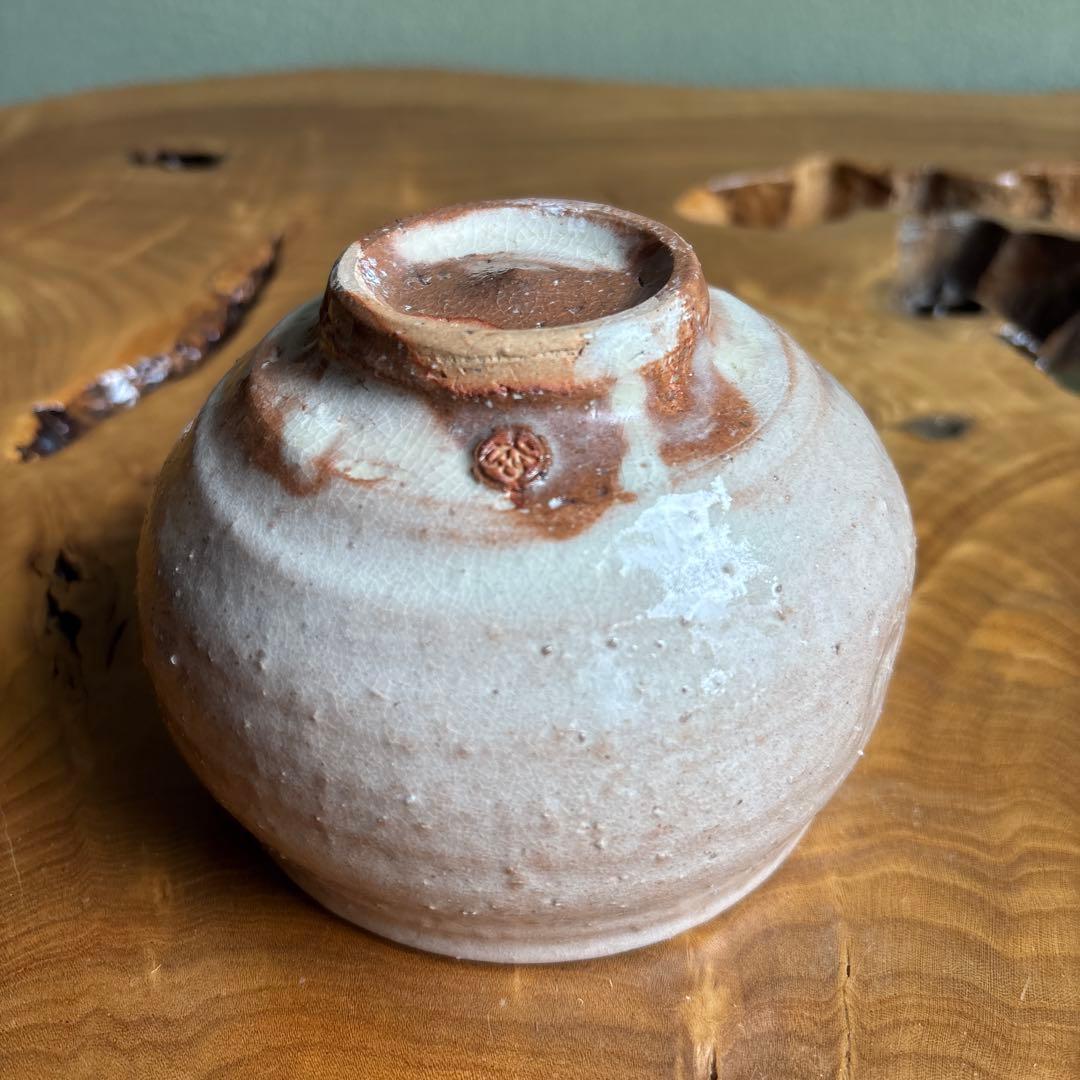
• Technique: Shiro-Hagi (white Hagi glaze) with natural gohon (御本) crimson blush; hand-thrown on the wheel with a pulled foot ring
• Era: Post-2000 (contemporary studio work)
• Origin: Hagi, Yamaguchi Prefecture, Japan — one of Japan's three great tea-ware traditions
• Dimensions: Height approx. 8.5 cm, Diameter approx. 12.5 cm
• Box: Tomobako (original signed wooden box) — brushed calligraphy and red studio seal by the artist
• Condition: Excellent — no chips, cracks, or repairs; surface texture and glaze fully intact
🔹 [ CULTURAL & ARTISTIC INSIGHT ]
Hagi-yaki emerged in the late sixteenth century when Korean potters Ri Shakko and Ri Kei were brought to the Mori domain following Toyotomi Hideyoshi's Korean campaigns. Under direct patronage of the Mori clan lords of Hagi, the tradition was cultivated for the exclusive use of samurai tea ceremony. For over four hundred years, Hagi ware has held a place of singular reverence in Japanese chado (茶道), ranked second only to Raku among the great tea-bowl traditions — a hierarchy that remains alive and contested among tea practitioners today.
The defining quality of this bowl is its shiro-hagi glaze — a thick, milky-white feldspathic coating applied over Hagi's local reddish-pink clay. Where the glaze pools it turns a cool celadon-white; where it thins, the warm iron-saturated clay body bleeds through in warm rosy washes known as gohon (御本), a blush coloration prized since the Momoyama period. The surface reveals fine goma (sesame seed) pinholes where gases escaped during firing, lending the piece a soft, breathing texture that changes character in different lights.
The form is generous and unhurried — a full, rounded body that sits with quiet assurance on a slightly rough, low foot ring. The lip is gently drawn, neither too refined nor too raw. This is a bowl made for holding, for warming in both palms during winter temae, a presence as much as a vessel.
Poetic line: "The white glaze rests like morning frost over red clay — warm beneath the cold, patient through a thousand seasons."
🔹 [ DEEP-DIVE COMMENTARY ]
Hagi-yaki is defined by three material characteristics that distinguish it from virtually all other Japanese stoneware: the use of mishima (三島) clay blended with local Daido and Mitake feldspathic stones; a relatively low firing temperature of approximately 1200–1250°C; and the deliberate application of a thick feldspar glaze that, once cooled, develops a dense network of micro-cracks called kannyu (貫入). These fine crazes are not flaws — they are the mechanism by which Hagi ware is said to "mature" over decades of use, as tea gradually stains the cracks, deepening the glaze to amber, then gold, then deep umber. This transformation is celebrated as Hagi no nanahake (萩の七化け) — the Seven Transformations of Hagi — and is one of the most philosophically resonant concepts in Japanese ceramics.
Hagijo Toen (萩城陶焔) works within the Hagijo Kiln (萩城窯) tradition, a studio name that evokes the castle town of Hagi itself — hagi meaning "bush clover" and jo meaning "castle," the very landscape from which this ceramic tradition takes its character. The artist's tomobako bears brushed calligraphy in a confident, classical hand, sealed with a red studio seal — an authentication format that follows the conventions of established Hagi lineages.
The gohon blush visible on this bowl's shoulder and lower body is caused by iron oxides in the clay migrating upward through the glaze during the reduction-cooling phase of the kiln firing. Skilled Hagi potters manage the kiln atmosphere — alternating oxidation and reduction — to coax these flushes into appearing at specific points on the form. The result is never fully predictable and always unique, which is precisely why collectors of tea ceremony wares prize gohon coloration: it is evidence of fire's authorship.
For the collector or tea practitioner, a Hagi chawan of this type serves multiple functions. In formal chado contexts, it is most appropriate for winter and early spring temae — the thick walls retain heat and the wide, open form suits the frothy whisk of matcha. In a contemporary home, it functions as a contemplative object that rewards close handling: the weight, the texture of the glaze, and the subtle asymmetry of the form all reward unhurried attention.
🔹 [ 日本語解説 ]
【基本情報】
• 作家:萩城陶焔(萩城窯、山口県萩市)
• 技法:白萩釉(長石質釉薬)、御本の緋色が肩から胴に現れる。ロクロ成形、引き出し高台。
• 年代:現代作(2000年代以降)
• 産地:山口県萩市 — 三大茶碗産地のひとつ
• 寸法:高さ約8.5cm、口径約12.5cm
• 箱:共箱(作家自筆銘・朱印入り)
• 状態:ヒビ・カケなし、釉薬の状態も良好
【文化的背景と美的考察】
萩焼は十六世紀末、豊臣秀吉の朝鮮出兵に伴って渡来した陶工・李勺光と李敬の兄弟が、毛利藩主の庇護のもとに開いた窯に端を発する。以来四百年余にわたって「一楽二萩三唐津」と称され、茶碗の世界で楽焼に次ぐ地位を占めてきた。
この茶碗の釉薬は白萩釉——長石を主体とする乳白色の釉が鉄分豊富な萩の陶土を覆い、釉の薄い部分から素地の緋色が滲み出る「御本」と呼ばれる景色を生む。肌には「胡麻」と呼ばれる微細な気泡跡が散り、光の当たり方によって表情を変える。
器形は丸みを帯びた大ぶりな胴に、穏やかに引かれた口縁。低めで僅かに荒い高台が、萩焼らしい素朴な品格を示している。冬の薄茶に向く、温もりある佇まいの茶碗。
詩的一文:「白い釉の下に、赤土の熱さが息づく——静かに、しかし確かに。」
【深層解説】
萩焼の釉薬は焼成温度が約1200〜1250℃と比較的低く、冷却過程で釉に微細な貫入が入る。この貫入が使用を重ねるうちに茶の色を吸い込み、飴色から琥珀色へと変化していく現象を「萩の七化け」という。器が使われることで育ち、変貌していくという考え方は、日本の茶道美学の核心と共鳴する。
萩城陶焔は「萩城窯」の名のもとに制作する現代作家で、共箱の書と朱印は伝統的な萩焼の認証様式を踏襲している。御本の緋色は窯の焼成中、還元炎と酸化炎を交互に操ることで陶土中の鉄分が釉薬中に浮かび上がり、胴部に温かな赤みを生む。この景色は窯任せであり、二度と同じものは生まれない。
茶道の席では冬から早春にかけての薄茶に最もよく合う。厚みのある胴が温もりを保ち、広い口は茶筅を振りやすく、抹茶の泡立ちも美しい。茶碗として使うほかに、書斎や床の間に据えて鑑賞する一点としても十分な存在感を持つ。
🔹 [ SHIPPING & PACKAGING ]
• Dispatch: Within 1-6 business days
• Carrier: Japan Post EMS / UPS (with tracking)
• Packaging: Carefully wrapped with protective materials
🔹 [ BASIC DETAILS ]
• Artist: Hagijo Toen (萩城陶焔), Hagijo Kiln (萩城窯), Hagi, Yamaguchi Prefecture
• Technique: Shiro-Hagi (white Hagi glaze) with natural gohon (御本) crimson blush; hand-thrown on the wheel with a pulled foot ring
• Era: Post-2000 (contemporary studio work)
• Origin: Hagi, Yamaguchi Prefecture, Japan — one of Japan's three great tea-ware traditions
• Dimensions: Height approx. 8.5 cm, Diameter approx. 12.5 cm
• Box: Tomobako (original signed wooden box) — brushed calligraphy and red studio seal by the artist
• Condition: Excellent — no chips, cracks, or repairs; surface texture and glaze fully intact
🔹 [ CULTURAL & ARTISTIC INSIGHT ]
Hagi-yaki emerged in the late sixteenth century when Korean potters Ri Shakko and Ri Kei were brought to the Mori domain following Toyotomi Hideyoshi's Korean campaigns. Under direct patronage of the Mori clan lords of Hagi, the tradition was cultivated for the exclusive use of samurai tea ceremony. For over four hundred years, Hagi ware has held a place of singular reverence in Japanese chado (茶道), ranked second only to Raku among the great tea-bowl traditions — a hierarchy that remains alive and contested among tea practitioners today.
The defining quality of this bowl is its shiro-hagi glaze — a thick, milky-white feldspathic coating applied over Hagi's local reddish-pink clay. Where the glaze pools it turns a cool celadon-white; where it thins, the warm iron-saturated clay body bleeds through in warm rosy washes known as gohon (御本), a blush coloration prized since the Momoyama period. The surface reveals fine goma (sesame seed) pinholes where gases escaped during firing, lending the piece a soft, breathing texture that changes character in different lights.
The form is generous and unhurried — a full, rounded body that sits with quiet assurance on a slightly rough, low foot ring. The lip is gently drawn, neither too refined nor too raw. This is a bowl made for holding, for warming in both palms during winter temae, a presence as much as a vessel.
Poetic line: "The white glaze rests like morning frost over red clay — warm beneath the cold, patient through a thousand seasons."
🔹 [ DEEP-DIVE COMMENTARY ]
Hagi-yaki is defined by three material characteristics that distinguish it from virtually all other Japanese stoneware: the use of mishima (三島) clay blended with local Daido and Mitake feldspathic stones; a relatively low firing temperature of approximately 1200–1250°C; and the deliberate application of a thick feldspar glaze that, once cooled, develops a dense network of micro-cracks called kannyu (貫入). These fine crazes are not flaws — they are the mechanism by which Hagi ware is said to "mature" over decades of use, as tea gradually stains the cracks, deepening the glaze to amber, then gold, then deep umber. This transformation is celebrated as Hagi no nanahake (萩の七化け) — the Seven Transformations of Hagi — and is one of the most philosophically resonant concepts in Japanese ceramics.
Hagijo Toen (萩城陶焔) works within the Hagijo Kiln (萩城窯) tradition, a studio name that evokes the castle town of Hagi itself — hagi meaning "bush clover" and jo meaning "castle," the very landscape from which this ceramic tradition takes its character. The artist's tomobako bears brushed calligraphy in a confident, classical hand, sealed with a red studio seal — an authentication format that follows the conventions of established Hagi lineages.
The gohon blush visible on this bowl's shoulder and lower body is caused by iron oxides in the clay migrating upward through the glaze during the reduction-cooling phase of the kiln firing. Skilled Hagi potters manage the kiln atmosphere — alternating oxidation and reduction — to coax these flushes into appearing at specific points on the form. The result is never fully predictable and always unique, which is precisely why collectors of tea ceremony wares prize gohon coloration: it is evidence of fire's authorship.
For the collector or tea practitioner, a Hagi chawan of this type serves multiple functions. In formal chado contexts, it is most appropriate for winter and early spring temae — the thick walls retain heat and the wide, open form suits the frothy whisk of matcha. In a contemporary home, it functions as a contemplative object that rewards close handling: the weight, the texture of the glaze, and the subtle asymmetry of the form all reward unhurried attention.
🔹 [ 日本語解説 ]
【基本情報】
• 作家:萩城陶焔(萩城窯、山口県萩市)
• 技法:白萩釉(長石質釉薬)、御本の緋色が肩から胴に現れる。ロクロ成形、引き出し高台。
• 年代:現代作(2000年代以降)
• 産地:山口県萩市 — 三大茶碗産地のひとつ
• 寸法:高さ約8.5cm、口径約12.5cm
• 箱:共箱(作家自筆銘・朱印入り)
• 状態:ヒビ・カケなし、釉薬の状態も良好
【文化的背景と美的考察】
萩焼は十六世紀末、豊臣秀吉の朝鮮出兵に伴って渡来した陶工・李勺光と李敬の兄弟が、毛利藩主の庇護のもとに開いた窯に端を発する。以来四百年余にわたって「一楽二萩三唐津」と称され、茶碗の世界で楽焼に次ぐ地位を占めてきた。
この茶碗の釉薬は白萩釉——長石を主体とする乳白色の釉が鉄分豊富な萩の陶土を覆い、釉の薄い部分から素地の緋色が滲み出る「御本」と呼ばれる景色を生む。肌には「胡麻」と呼ばれる微細な気泡跡が散り、光の当たり方によって表情を変える。
器形は丸みを帯びた大ぶりな胴に、穏やかに引かれた口縁。低めで僅かに荒い高台が、萩焼らしい素朴な品格を示している。冬の薄茶に向く、温もりある佇まいの茶碗。
詩的一文:「白い釉の下に、赤土の熱さが息づく——静かに、しかし確かに。」
【深層解説】
萩焼の釉薬は焼成温度が約1200〜1250℃と比較的低く、冷却過程で釉に微細な貫入が入る。この貫入が使用を重ねるうちに茶の色を吸い込み、飴色から琥珀色へと変化していく現象を「萩の七化け」という。器が使われることで育ち、変貌していくという考え方は、日本の茶道美学の核心と共鳴する。
萩城陶焔は「萩城窯」の名のもとに制作する現代作家で、共箱の書と朱印は伝統的な萩焼の認証様式を踏襲している。御本の緋色は窯の焼成中、還元炎と酸化炎を交互に操ることで陶土中の鉄分が釉薬中に浮かび上がり、胴部に温かな赤みを生む。この景色は窯任せであり、二度と同じものは生まれない。
茶道の席では冬から早春にかけての薄茶に最もよく合う。厚みのある胴が温もりを保ち、広い口は茶筅を振りやすく、抹茶の泡立ちも美しい。茶碗として使うほかに、書斎や床の間に据えて鑑賞する一点としても十分な存在感を持つ。
🔹 [ SHIPPING & PACKAGING ]
• Dispatch: Within 1-6 business days
• Carrier: Japan Post EMS / UPS (with tracking)
• Packaging: Carefully wrapped with protective materials
Quantity
Couldn't load pickup availability
Low stock: 1 left
View full details