1
/
of
9
Gold-Leaf Clam Shell Kogo with Tachi-Bina Hina Dolls by Socho
Gold-Leaf Clam Shell Kogo with Tachi-Bina Hina Dolls by Socho
Regular price
Dhs. 879.00 AED
Regular price
Sale price
Dhs. 879.00 AED
Taxes included.
Shipping calculated at checkout.
Experience authentic Japanese Shell Art with this Gold Leaf Kogo. This Hamaguri Clam Shell serves as a Tachi Bina Container and Tea Ceremony Vessel, featuring Socho Artist craftsmanship and Hina Doll Painting—a must-have for any Collector seeking a Signed Tomobako piece with Hinamatsuri Motif and Spring Festival design.
━━━━━━━━━━━━━━━━━━━━
🔹 [ BASIC DETAILS ]
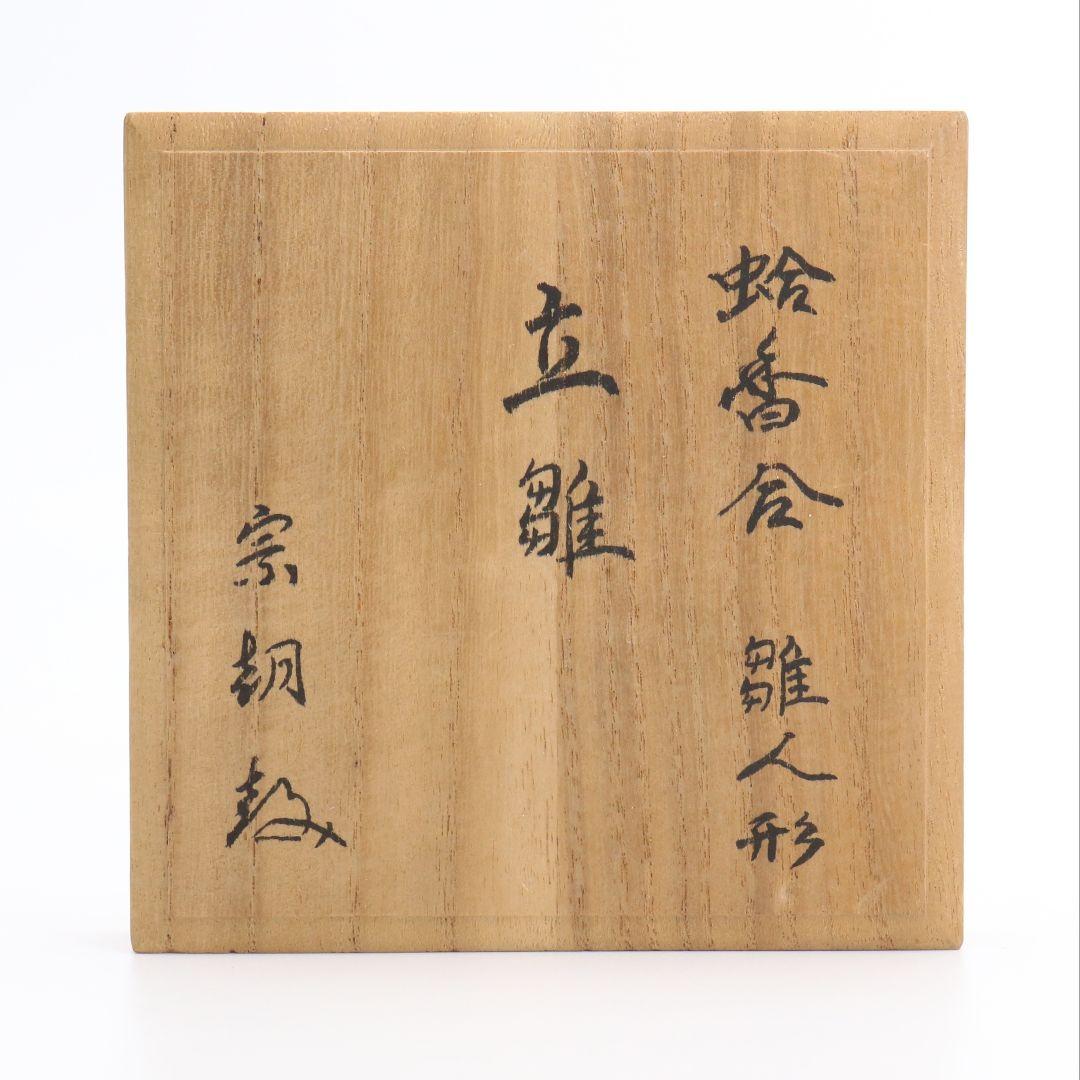
• Artist: Socho (宗朝)
• Form: Hamaguri kogo (clam shell incense container)
• Material: Natural clam shell with gold leaf and painted lacquer
• Dimensions: Height approx. 4 cm × Width approx. 8 cm (1.6" × 3.1")
• Condition: Excellent — vivid colors and gold intact
• Box: Signed tomobako with purple silk cord
• Motif: Tachi-bina (standing hina dolls — Emperor and Empress)
━━━━━━━━━━━━━━━━━━━━
🔹 [ CULTURAL & ARTISTIC INSIGHT ]
Hamaguri kogo are beloved in tea ceremony for their organic form and seasonal associations. This example elevates the format through interior decoration: gold leaf grounds host tachi-bina, the standing form of hina dolls used in early Japanese court rituals. Unlike later seated forms, tachi-bina emphasize verticality and ceremonial presence, making them visually striking within the shell's concave space.
The use of natural shell as a canvas reflects a long Japanese tradition of shell art (kai-oke), where pearlescent surfaces and irregular forms become integral to the aesthetic. Here, the shell's iridescence complements the painted interior, creating a dialogue between natural and artistic beauty.
Socho's work is characterized by meticulous painting on shell surfaces, often with seasonal or auspicious motifs. This piece demonstrates his skill in adapting courtly imagery to the intimate scale of tea utensils.
*"A shell that holds the memory of pairing — now cradling courtly figures in gold."*
━━━━━━━━━━━━━━━━━━━━
🔹 [ DEEP-DIVE COMMENTARY ]
**Hamaguri Symbolism**: Because each shell half fits only its original pair, hamaguri became a symbol of marital fidelity and harmony. During the Heian period, the kai-awase game involved matching painted shell halves — a pastime for courtly women. This cultural memory lingers in shell kogo.
**Tachi-Bina Heritage**: Tachi-bina are the oldest form of hina dolls, depicted standing rather than seated. They appear in Heian literature and court records as ritual objects representing imperial authority and harmony. By the Edo period, seated forms became standard, but tachi-bina retained an archaic, formal dignity.
**Color Symbolism**: The vivid colors — red, purple, green, gold — are not mere decoration. Each hue carries symbolic weight: red for protection and vitality, purple for nobility, green for growth, gold for divine presence. Together, they create a microcosm of courtly splendor within a hand-sized shell.
**Seasonal Use in Tea**: This hamaguri kogo would appear in early spring, announcing Hinamatsuri (Girls' Day, March 3rd) and the arrival of warmer days. Its presence in the tearoom is both visual delight and temporal marker, connecting the gathering to the broader rhythm of the year.
━━━━━━━━━━━━━━━━━━━━
🔹 [ 日本語解説 ]
【基本情報】
• 作家:宗朝
• 形状:蛤香合
• 素材:天然蛤・金箔・漆絵
• 寸法:高さ約4cm × 横幅約8cm
• 付属:共箱(紫紐)
• 状態:良好(金箔・彩色とも鮮明)
【解説】
蛤香合は、その自然な貝殻の美しさと季節感で茶道具として親しまれてきました。本作は、内側に金地と極彩色で立雛が描かれた特別な一品です。立雛は、平安時代から伝わる最古の雛人形の形式で、天皇皇后を表す立ち姿の人形です。江戸時代以降は座り雛が主流となりましたが、立雛には古雅で格式高い趣が残ります。
作者の宗朝は、貝香合に繊細な絵付けを施すことで知られる作家です。本作では、蛤の真珠光沢と内側の金地・彩色が見事に調和し、自然と人為の美が一体となった世界を作り出しています。雛祭り(3月3日)の茶席にふさわしい、春の訪れを告げる華やかな香合です。
━━━━━━━━━━━━━━━━━━━━
🔹 [ SHIPPING & PACKAGING ]
• Dispatch: Within 1-6 business days
• Carrier: Japan Post EMS / UPS (with tracking)
• Packaging: Carefully wrapped with protective materials
*Standing figures in gold — the oldest blessing, held within a shell's embrace.*
━━━━━━━━━━━━━━━━━━━━
🔹 [ BASIC DETAILS ]
• Artist: Socho (宗朝)
• Form: Hamaguri kogo (clam shell incense container)
• Material: Natural clam shell with gold leaf and painted lacquer
• Dimensions: Height approx. 4 cm × Width approx. 8 cm (1.6" × 3.1")
• Condition: Excellent — vivid colors and gold intact
• Box: Signed tomobako with purple silk cord
• Motif: Tachi-bina (standing hina dolls — Emperor and Empress)
━━━━━━━━━━━━━━━━━━━━
🔹 [ CULTURAL & ARTISTIC INSIGHT ]
Hamaguri kogo are beloved in tea ceremony for their organic form and seasonal associations. This example elevates the format through interior decoration: gold leaf grounds host tachi-bina, the standing form of hina dolls used in early Japanese court rituals. Unlike later seated forms, tachi-bina emphasize verticality and ceremonial presence, making them visually striking within the shell's concave space.
The use of natural shell as a canvas reflects a long Japanese tradition of shell art (kai-oke), where pearlescent surfaces and irregular forms become integral to the aesthetic. Here, the shell's iridescence complements the painted interior, creating a dialogue between natural and artistic beauty.
Socho's work is characterized by meticulous painting on shell surfaces, often with seasonal or auspicious motifs. This piece demonstrates his skill in adapting courtly imagery to the intimate scale of tea utensils.
*"A shell that holds the memory of pairing — now cradling courtly figures in gold."*
━━━━━━━━━━━━━━━━━━━━
🔹 [ DEEP-DIVE COMMENTARY ]
**Hamaguri Symbolism**: Because each shell half fits only its original pair, hamaguri became a symbol of marital fidelity and harmony. During the Heian period, the kai-awase game involved matching painted shell halves — a pastime for courtly women. This cultural memory lingers in shell kogo.
**Tachi-Bina Heritage**: Tachi-bina are the oldest form of hina dolls, depicted standing rather than seated. They appear in Heian literature and court records as ritual objects representing imperial authority and harmony. By the Edo period, seated forms became standard, but tachi-bina retained an archaic, formal dignity.
**Color Symbolism**: The vivid colors — red, purple, green, gold — are not mere decoration. Each hue carries symbolic weight: red for protection and vitality, purple for nobility, green for growth, gold for divine presence. Together, they create a microcosm of courtly splendor within a hand-sized shell.
**Seasonal Use in Tea**: This hamaguri kogo would appear in early spring, announcing Hinamatsuri (Girls' Day, March 3rd) and the arrival of warmer days. Its presence in the tearoom is both visual delight and temporal marker, connecting the gathering to the broader rhythm of the year.
━━━━━━━━━━━━━━━━━━━━
🔹 [ 日本語解説 ]
【基本情報】
• 作家:宗朝
• 形状:蛤香合
• 素材:天然蛤・金箔・漆絵
• 寸法:高さ約4cm × 横幅約8cm
• 付属:共箱(紫紐)
• 状態:良好(金箔・彩色とも鮮明)
【解説】
蛤香合は、その自然な貝殻の美しさと季節感で茶道具として親しまれてきました。本作は、内側に金地と極彩色で立雛が描かれた特別な一品です。立雛は、平安時代から伝わる最古の雛人形の形式で、天皇皇后を表す立ち姿の人形です。江戸時代以降は座り雛が主流となりましたが、立雛には古雅で格式高い趣が残ります。
作者の宗朝は、貝香合に繊細な絵付けを施すことで知られる作家です。本作では、蛤の真珠光沢と内側の金地・彩色が見事に調和し、自然と人為の美が一体となった世界を作り出しています。雛祭り(3月3日)の茶席にふさわしい、春の訪れを告げる華やかな香合です。
━━━━━━━━━━━━━━━━━━━━
🔹 [ SHIPPING & PACKAGING ]
• Dispatch: Within 1-6 business days
• Carrier: Japan Post EMS / UPS (with tracking)
• Packaging: Carefully wrapped with protective materials
*Standing figures in gold — the oldest blessing, held within a shell's embrace.*
Quantity
Couldn't load pickup availability
Low stock: 1 left
View full details