1
/
of
12
Fukiyose Maki-e Chu-Natsume — Ginkgo & Autumn Leaves by Shosai
Fukiyose Maki-e Chu-Natsume — Ginkgo & Autumn Leaves by Shosai
Regular price
Dhs. 1,513.00 AED
Regular price
Sale price
Dhs. 1,513.00 AED
Taxes included.
Shipping calculated at checkout.
Experience authentic Japanese lacquer art with this Fukiyose Maki-e Chu-Natsume. This Japanese Tea Caddy serves as a Shosai Maki-e Masterwork and Autumn Lacquerware Natsume, featuring Ginkgo Leaf Gold Design and Multi-Metal Maki-e Technique—a must-have for any Art Collector seeking Traditional Japanese Lacquer and Seasonal Tea Ceremony Utensils.
━━━━━━━━━━━━━━━━━━━━
🔹 [ BASIC DETAILS ]
• Artist: Shosai (松斉)
• Technique: Fukiyose maki-e (吹寄蒔絵) — gold, copper & silver on black urushi
• Era: 2010s
• Origin: Japan
• Dimensions: 6.8 cm × 6.7 cm (2.7" × 2.6")
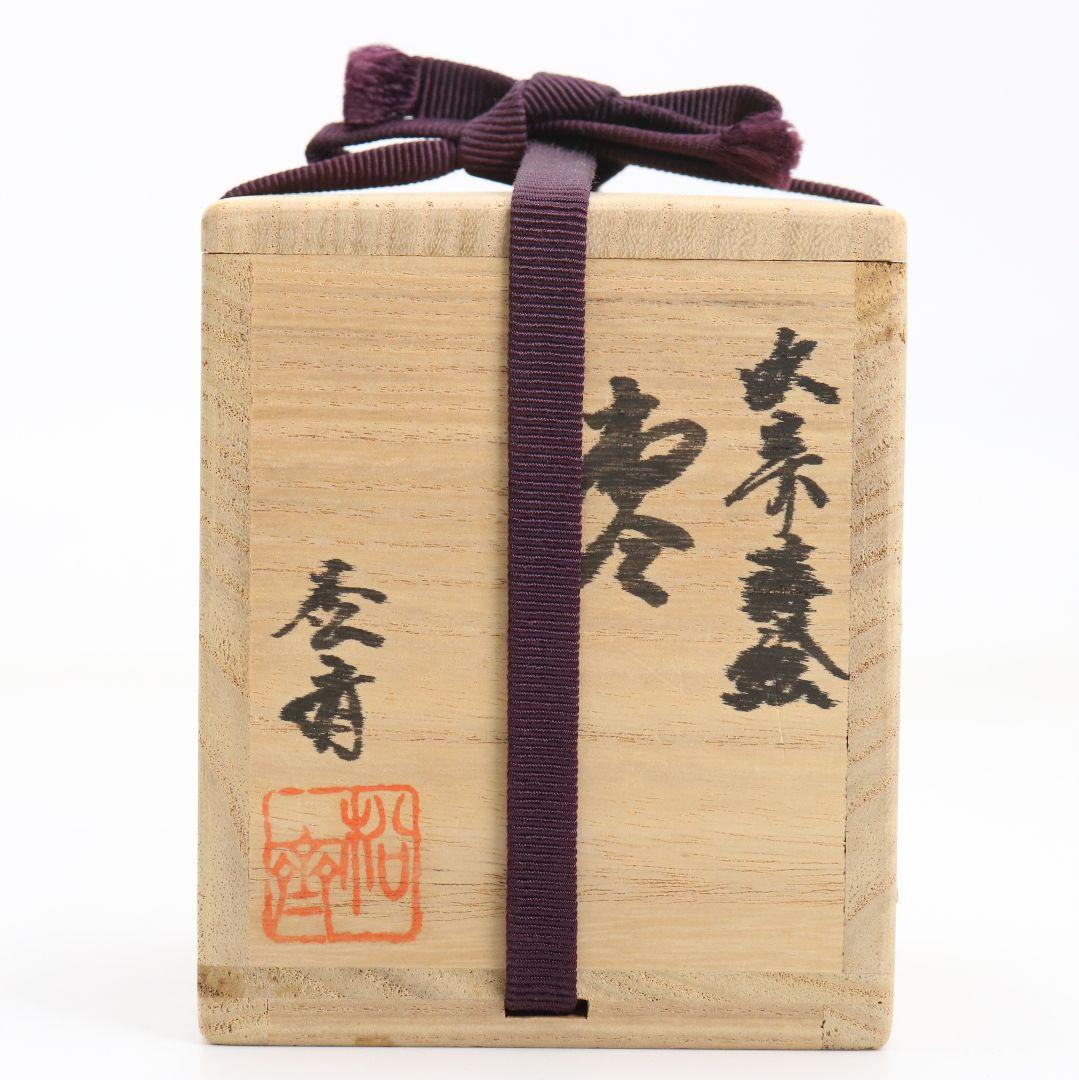
• Box: Signed tomobako with red seal, cloth wrapper
• Condition: Excellent — no chips, cracks, or wear to maki-e
━━━━━━━━━━━━━━━━━━━━
🔹 [ CULTURAL & ARTISTIC INSIGHT ]
Fukiyose — "blown gathering" — is one of the most evocative motifs in Japanese lacquer art. It depicts autumn's scattered offerings as if a gust of wind swept ginkgo leaves, red maple, acorns, and pine needles into a single composition. The design is not arranged but found, mirroring the way nature composes without intention.
In the tea room, this motif belongs to the deepening autumn months — October and November — when hosts select utensils that honor the season's passage. A fukiyose natsume placed beside a kettle tells guests: this gathering, too, is a thing the wind has brought together.
Shosai's brushwork uses multiple metallic tones — warm gold for ginkgo, reddish copper for maple, pale silver for pine — creating depth that shifts under candlelight. The technique, layering takamaki-e over togidashi, demands both patience and precision.
*"The wind does not explain what it carries. It only sets things down."*
━━━━━━━━━━━━━━━━━━━━
🔹 [ DEEP-DIVE COMMENTARY ]
**Fukiyose (吹寄) Tradition**: This motif emerged from Heian-period poetry, where scattered leaves symbolized impermanence and beauty found in what is passing. In lacquer, it became a vehicle for displaying multi-metal maki-e technique — each leaf species rendered in a different metallic tone.
**Ginkgo in Tea Culture**: The ginkgo (銀杏) is among Japan's most ancient trees, some specimens over a thousand years old. Its golden autumn color has made it a symbol of resilience and deep time — a single ginkgo leaf on a tea caddy carries centuries of association.
**Chu-Natsume Form**: The medium-sized natsume occupies the most versatile position in tea practice. Neither the formality of a large ō-natsume nor the intimacy of a ko-natsume, the chu-natsume serves across seasons and styles of gathering.
**Multi-Metal Maki-e**: Shosai's use of gold, copper, and silver powders in a single composition is technically demanding. Each metal is applied and polished separately, requiring multiple rounds of lacquer application and curing between layers.
━━━━━━━━━━━━━━━━━━━━
🔹 [ 日本語解説 ]
【基本情報】
• 作家:松斉
• 技法:吹寄蒔絵(金・銅・銀の多色蒔絵)
• 時代:2010年代
• 産地:日本
• 寸法:約6.8cm × 6.7cm
• 付属:共箱(朱印)・布包み
• 状態:優良 — 蒔絵の剥落・傷なし
【解説】
吹寄(ふきよせ)は、秋風に吹き集められた落葉や木の実を描く伝統的な蒔絵意匠です。本作では銀杏、紅葉、松葉、団栗が金・銅・銀の多色蒔絵で散りばめられ、秋の野山の情景がひとつの棗の上に凝縮されています。
松斉は高蒔絵と研出蒔絵を併用し、金属粉の色味の違いを活かした奥行きのある表現を実現しています。茶席では十月・十一月の深秋の取り合わせに最もふさわしい一品です。共箱に朱印が捺され、作家の手による確かな作行きが窺えます。
━━━━━━━━━━━━━━━━━━━━
🔹 [ SHIPPING & PACKAGING ]
• Dispatch: Within 1-6 business days
• Carrier: Japan Post EMS / UPS (with tracking)
• Packaging: Carefully wrapped with protective materials
*What the wind gathers, the tea room holds still.*
━━━━━━━━━━━━━━━━━━━━
🔹 [ BASIC DETAILS ]
• Artist: Shosai (松斉)
• Technique: Fukiyose maki-e (吹寄蒔絵) — gold, copper & silver on black urushi
• Era: 2010s
• Origin: Japan
• Dimensions: 6.8 cm × 6.7 cm (2.7" × 2.6")
• Box: Signed tomobako with red seal, cloth wrapper
• Condition: Excellent — no chips, cracks, or wear to maki-e
━━━━━━━━━━━━━━━━━━━━
🔹 [ CULTURAL & ARTISTIC INSIGHT ]
Fukiyose — "blown gathering" — is one of the most evocative motifs in Japanese lacquer art. It depicts autumn's scattered offerings as if a gust of wind swept ginkgo leaves, red maple, acorns, and pine needles into a single composition. The design is not arranged but found, mirroring the way nature composes without intention.
In the tea room, this motif belongs to the deepening autumn months — October and November — when hosts select utensils that honor the season's passage. A fukiyose natsume placed beside a kettle tells guests: this gathering, too, is a thing the wind has brought together.
Shosai's brushwork uses multiple metallic tones — warm gold for ginkgo, reddish copper for maple, pale silver for pine — creating depth that shifts under candlelight. The technique, layering takamaki-e over togidashi, demands both patience and precision.
*"The wind does not explain what it carries. It only sets things down."*
━━━━━━━━━━━━━━━━━━━━
🔹 [ DEEP-DIVE COMMENTARY ]
**Fukiyose (吹寄) Tradition**: This motif emerged from Heian-period poetry, where scattered leaves symbolized impermanence and beauty found in what is passing. In lacquer, it became a vehicle for displaying multi-metal maki-e technique — each leaf species rendered in a different metallic tone.
**Ginkgo in Tea Culture**: The ginkgo (銀杏) is among Japan's most ancient trees, some specimens over a thousand years old. Its golden autumn color has made it a symbol of resilience and deep time — a single ginkgo leaf on a tea caddy carries centuries of association.
**Chu-Natsume Form**: The medium-sized natsume occupies the most versatile position in tea practice. Neither the formality of a large ō-natsume nor the intimacy of a ko-natsume, the chu-natsume serves across seasons and styles of gathering.
**Multi-Metal Maki-e**: Shosai's use of gold, copper, and silver powders in a single composition is technically demanding. Each metal is applied and polished separately, requiring multiple rounds of lacquer application and curing between layers.
━━━━━━━━━━━━━━━━━━━━
🔹 [ 日本語解説 ]
【基本情報】
• 作家:松斉
• 技法:吹寄蒔絵(金・銅・銀の多色蒔絵)
• 時代:2010年代
• 産地:日本
• 寸法:約6.8cm × 6.7cm
• 付属:共箱(朱印)・布包み
• 状態:優良 — 蒔絵の剥落・傷なし
【解説】
吹寄(ふきよせ)は、秋風に吹き集められた落葉や木の実を描く伝統的な蒔絵意匠です。本作では銀杏、紅葉、松葉、団栗が金・銅・銀の多色蒔絵で散りばめられ、秋の野山の情景がひとつの棗の上に凝縮されています。
松斉は高蒔絵と研出蒔絵を併用し、金属粉の色味の違いを活かした奥行きのある表現を実現しています。茶席では十月・十一月の深秋の取り合わせに最もふさわしい一品です。共箱に朱印が捺され、作家の手による確かな作行きが窺えます。
━━━━━━━━━━━━━━━━━━━━
🔹 [ SHIPPING & PACKAGING ]
• Dispatch: Within 1-6 business days
• Carrier: Japan Post EMS / UPS (with tracking)
• Packaging: Carefully wrapped with protective materials
*What the wind gathers, the tea room holds still.*
Quantity
Couldn't load pickup availability
Low stock: 1 left
View full details