1
/
of
14
Fujii Kaido Daitoku-ji Bamboo Tea Scoop - Mei Sensai Zen Chashaku
Fujii Kaido Daitoku-ji Bamboo Tea Scoop - Mei Sensai Zen Chashaku
Regular price
Dhs. 988.00 AED
Regular price
Sale price
Dhs. 988.00 AED
Taxes included.
Shipping calculated at checkout.
Experience authentic Japanese tea culture with this Fujii Kaido Daitoku-ji Bamboo Tea Scoop. This Zen Chashaku serves as a Rinzai Zen Inscribed and Daitoku-ji Tea Scoop, featuring Bamboo Chashaku Art and Kyoto Temple Lineage—a must-have for any Tea Practitioner seeking Japanese Tea Utensil and Wabi Sabi Tea Tool.
━━━━━━━━━━━━━━━━━━━━
🔹 [ BASIC DETAILS ]
• Inscribed by: Fujii Kaido (藤井誾堂, 1898–1984) — Former Head Priest (管長) of Daitoku-ji, one of the most significant Rinzai Zen figures of the 20th century
• Mei (銘, poetic name): Sensai / Chitose (千才) — "A Thousand Years"
• Type: Chashaku (茶杓) — bamboo tea scoop for matcha preparation
• Material: Natural bamboo (白竹)
• Era: Showa period
• Origin: Kyoto (Daitoku-ji lineage), Japan
• Dimensions: Length approx. 18.5 cm
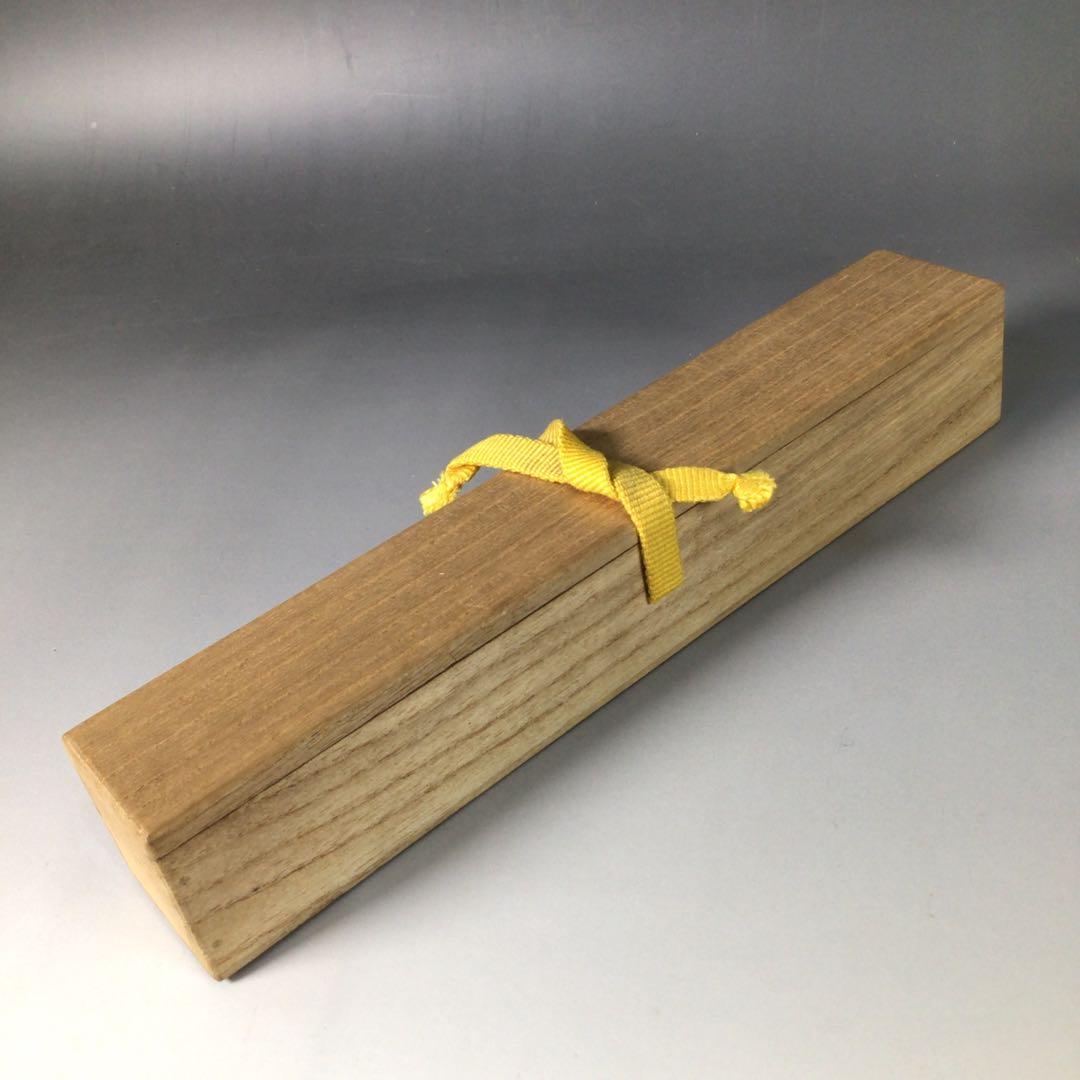
• Box: Tomobako with Kaido's calligraphy "茶杓 千才" and seal
• Tube: Kyozutsu (共筒) — bamboo storage tube with yellow cord
• Condition: Excellent
━━━━━━━━━━━━━━━━━━━━
🔹 [ CULTURAL & ARTISTIC INSIGHT ]
Fujii Kaido served as head priest (管長) of Daitoku-ji — the Rinzai Zen temple most deeply intertwined with the history of chanoyu. From Sen no Rikyu to the present day, the relationship between Daitoku-ji and the way of tea has been inseparable. A tea scoop inscribed by a Daitoku-ji abbot is not merely a utensil with a signature. It is a vessel carrying the authority of a tradition that shaped the very foundation of Japanese tea practice.
Kaido was a towering figure in twentieth-century Rinzai Zen. His tenure at Daitoku-ji's sub-temple Sangenin (三玄院) and his role as head priest placed him at the center of Japanese Zen institutional life during a period of profound transformation. His calligraphy — spare, decisive, unhesitant — reflects decades of zazen discipline.
The mei Sensai (千才), meaning "A Thousand Years," speaks to the same aspiration that runs through the most enduring gestures of tea culture: that each gathering holds within it the possibility of continuity beyond the moment.
*"A thousand years — not of duration, but of depth. Each scooping carries the weight of all that came before."*
━━━━━━━━━━━━━━━━━━━━
🔹 [ DEEP-DIVE COMMENTARY ]
**Daitoku-ji and Tea**: Daitoku-ji's relationship with chanoyu began in earnest in the Muromachi period and deepened irreversibly under Sen no Rikyu, who studied Zen at the temple and whose funeral tablet rests within its grounds. The temple's abbots have continued to inscribe tea utensils for centuries — a practice that binds Zen contemplation to the material world of tea. A chashaku carrying a Daitoku-ji abbot's hand occupies a specific and honored place in the hierarchy of tea implements.
**Fujii Kaido — The Man and the Brush**: Born in 1898, Kaido entered the Rinzai monastic path and rose to become one of the most respected Zen teachers of the Showa era. His calligraphy carries the directness that Zen training demands — each stroke placed without hesitation or revision. The box inscription "茶杓 千才" with his seal demonstrates the characteristic economy of a master calligrapher who understood that in brush and in tea, what is not added matters as much as what is.
**The Bamboo**: The scoop is carved from natural white bamboo (白竹), displaying the visible node that marks the structural center of the piece. The carving is clean and assured — the curve of the tip (kaisaki) balanced against the straight run of the handle, the bamboo's natural grain providing the only surface pattern. This restraint in material allows the weight of the inscription and provenance to speak.
**Provenance Significance**: In the world of chanoyu, a tea scoop's value is determined not by material but by who carved it, who named it, and in what spirit it was offered. A chashaku inscribed by a Daitoku-ji 管長 carries the institutional and spiritual gravity of Rinzai Zen's most important tea temple. This is a piece that would anchor a tea gathering with its presence alone.
━━━━━━━━━━━━━━━━━━━━
🔹 [ 日本語解説 ]
【基本情報】
• 書付:藤井誾堂(1898–1984)大徳寺三玄院・元大徳寺管長
• 銘:千才(せんさい / ちとせ)—「千年」の意
• 種類:茶杓(ちゃしゃく)
• 素材:白竹
• 時代:昭和
• 産地:京都(大徳寺系)
• 寸法:長さ 約18.5cm
• 付属:共箱(「茶杓 千才」墨書・落款入り)、共筒(黄紐)
• 状態:良好
【解説】
大徳寺管長・藤井誾堂師による銘「千才」の竹茶杓です。
藤井誾堂(1898–1984)は昭和を代表する臨済宗の高僧の一人であり、大徳寺三玄院住職を経て大徳寺管長を務めました。その墨蹟は禅の修行に裏打ちされた簡潔で力強い筆致を特徴とします。
大徳寺は千利休以来、茶の湯と最も深い結びつきを持つ禅寺であり、歴代管長による茶道具の書付は茶の湯の世界において特別な意味を持ちます。本作は白竹を用いた端正な造りの茶杓で、節が中央に位置し、櫃先の曲線と柄の直線が均整のとれた姿を見せます。
「千才」—千年の歳月という銘に込められた悠久の願いが、茶席に静かな奥行きを与える一品です。
━━━━━━━━━━━━━━━━━━━━
🔹 [ SHIPPING & PACKAGING ]
• Dispatch: Within 1-6 business days
• Carrier: Japan Post EMS / UPS (with tracking)
• Packaging: Carefully wrapped with protective materials
*A thousand years held in a single scoop — the brush of a Zen master, the silence of bamboo, and the continuity that Daitoku-ji has carried since Rikyu knelt within its walls.*
━━━━━━━━━━━━━━━━━━━━
🔹 [ BASIC DETAILS ]
• Inscribed by: Fujii Kaido (藤井誾堂, 1898–1984) — Former Head Priest (管長) of Daitoku-ji, one of the most significant Rinzai Zen figures of the 20th century
• Mei (銘, poetic name): Sensai / Chitose (千才) — "A Thousand Years"
• Type: Chashaku (茶杓) — bamboo tea scoop for matcha preparation
• Material: Natural bamboo (白竹)
• Era: Showa period
• Origin: Kyoto (Daitoku-ji lineage), Japan
• Dimensions: Length approx. 18.5 cm
• Box: Tomobako with Kaido's calligraphy "茶杓 千才" and seal
• Tube: Kyozutsu (共筒) — bamboo storage tube with yellow cord
• Condition: Excellent
━━━━━━━━━━━━━━━━━━━━
🔹 [ CULTURAL & ARTISTIC INSIGHT ]
Fujii Kaido served as head priest (管長) of Daitoku-ji — the Rinzai Zen temple most deeply intertwined with the history of chanoyu. From Sen no Rikyu to the present day, the relationship between Daitoku-ji and the way of tea has been inseparable. A tea scoop inscribed by a Daitoku-ji abbot is not merely a utensil with a signature. It is a vessel carrying the authority of a tradition that shaped the very foundation of Japanese tea practice.
Kaido was a towering figure in twentieth-century Rinzai Zen. His tenure at Daitoku-ji's sub-temple Sangenin (三玄院) and his role as head priest placed him at the center of Japanese Zen institutional life during a period of profound transformation. His calligraphy — spare, decisive, unhesitant — reflects decades of zazen discipline.
The mei Sensai (千才), meaning "A Thousand Years," speaks to the same aspiration that runs through the most enduring gestures of tea culture: that each gathering holds within it the possibility of continuity beyond the moment.
*"A thousand years — not of duration, but of depth. Each scooping carries the weight of all that came before."*
━━━━━━━━━━━━━━━━━━━━
🔹 [ DEEP-DIVE COMMENTARY ]
**Daitoku-ji and Tea**: Daitoku-ji's relationship with chanoyu began in earnest in the Muromachi period and deepened irreversibly under Sen no Rikyu, who studied Zen at the temple and whose funeral tablet rests within its grounds. The temple's abbots have continued to inscribe tea utensils for centuries — a practice that binds Zen contemplation to the material world of tea. A chashaku carrying a Daitoku-ji abbot's hand occupies a specific and honored place in the hierarchy of tea implements.
**Fujii Kaido — The Man and the Brush**: Born in 1898, Kaido entered the Rinzai monastic path and rose to become one of the most respected Zen teachers of the Showa era. His calligraphy carries the directness that Zen training demands — each stroke placed without hesitation or revision. The box inscription "茶杓 千才" with his seal demonstrates the characteristic economy of a master calligrapher who understood that in brush and in tea, what is not added matters as much as what is.
**The Bamboo**: The scoop is carved from natural white bamboo (白竹), displaying the visible node that marks the structural center of the piece. The carving is clean and assured — the curve of the tip (kaisaki) balanced against the straight run of the handle, the bamboo's natural grain providing the only surface pattern. This restraint in material allows the weight of the inscription and provenance to speak.
**Provenance Significance**: In the world of chanoyu, a tea scoop's value is determined not by material but by who carved it, who named it, and in what spirit it was offered. A chashaku inscribed by a Daitoku-ji 管長 carries the institutional and spiritual gravity of Rinzai Zen's most important tea temple. This is a piece that would anchor a tea gathering with its presence alone.
━━━━━━━━━━━━━━━━━━━━
🔹 [ 日本語解説 ]
【基本情報】
• 書付:藤井誾堂(1898–1984)大徳寺三玄院・元大徳寺管長
• 銘:千才(せんさい / ちとせ)—「千年」の意
• 種類:茶杓(ちゃしゃく)
• 素材:白竹
• 時代:昭和
• 産地:京都(大徳寺系)
• 寸法:長さ 約18.5cm
• 付属:共箱(「茶杓 千才」墨書・落款入り)、共筒(黄紐)
• 状態:良好
【解説】
大徳寺管長・藤井誾堂師による銘「千才」の竹茶杓です。
藤井誾堂(1898–1984)は昭和を代表する臨済宗の高僧の一人であり、大徳寺三玄院住職を経て大徳寺管長を務めました。その墨蹟は禅の修行に裏打ちされた簡潔で力強い筆致を特徴とします。
大徳寺は千利休以来、茶の湯と最も深い結びつきを持つ禅寺であり、歴代管長による茶道具の書付は茶の湯の世界において特別な意味を持ちます。本作は白竹を用いた端正な造りの茶杓で、節が中央に位置し、櫃先の曲線と柄の直線が均整のとれた姿を見せます。
「千才」—千年の歳月という銘に込められた悠久の願いが、茶席に静かな奥行きを与える一品です。
━━━━━━━━━━━━━━━━━━━━
🔹 [ SHIPPING & PACKAGING ]
• Dispatch: Within 1-6 business days
• Carrier: Japan Post EMS / UPS (with tracking)
• Packaging: Carefully wrapped with protective materials
*A thousand years held in a single scoop — the brush of a Zen master, the silence of bamboo, and the continuity that Daitoku-ji has carried since Rikyu knelt within its walls.*
Quantity
Couldn't load pickup availability
Low stock: 1 left
View full details