1
/
of
13
Four Seasons Gold Maki-e Hira-Natsume by Kuze Soshun - Lacquer Tea Caddy with Nashiji
Four Seasons Gold Maki-e Hira-Natsume by Kuze Soshun - Lacquer Tea Caddy with Nashiji
Regular price
Dhs. 3,347.00 AED
Regular price
Sale price
Dhs. 3,347.00 AED
Taxes included.
Shipping calculated at checkout.
Experience Authentic Japanese Lacquer Art with this Gold Maki-e Natsume. This Japanese Tea Caddy serves as a Kuze Soshun Lacquer and Four Seasons Maki-e, featuring Hira-Natsume Caddy and Nashiji Gold Lacquer—a must-have for any Art Collector Gift seeking Zen Tea Ceremony and Wabi Sabi Lacquer.
━━━━━━━━━━━━━━━━━━━━
🔹 [ BASIC DETAILS ]
• Artist: Kuze Soshun (久世宗春)
• Technique: Kin-maki-e (金蒔絵) — gold sprinkled picture with taka-maki-e (raised) and hira-maki-e (flat) techniques; nashiji (梨子地) pear-skin ground; uchi-kin-nuri (内金塗) gold interior
• Era: Contemporary (Heisei–Reiwa period)
• Origin: Japan
• Dimensions: Height approx. 6 cm (2.4 in), Diameter approx. 8.5 cm (3.3 in)
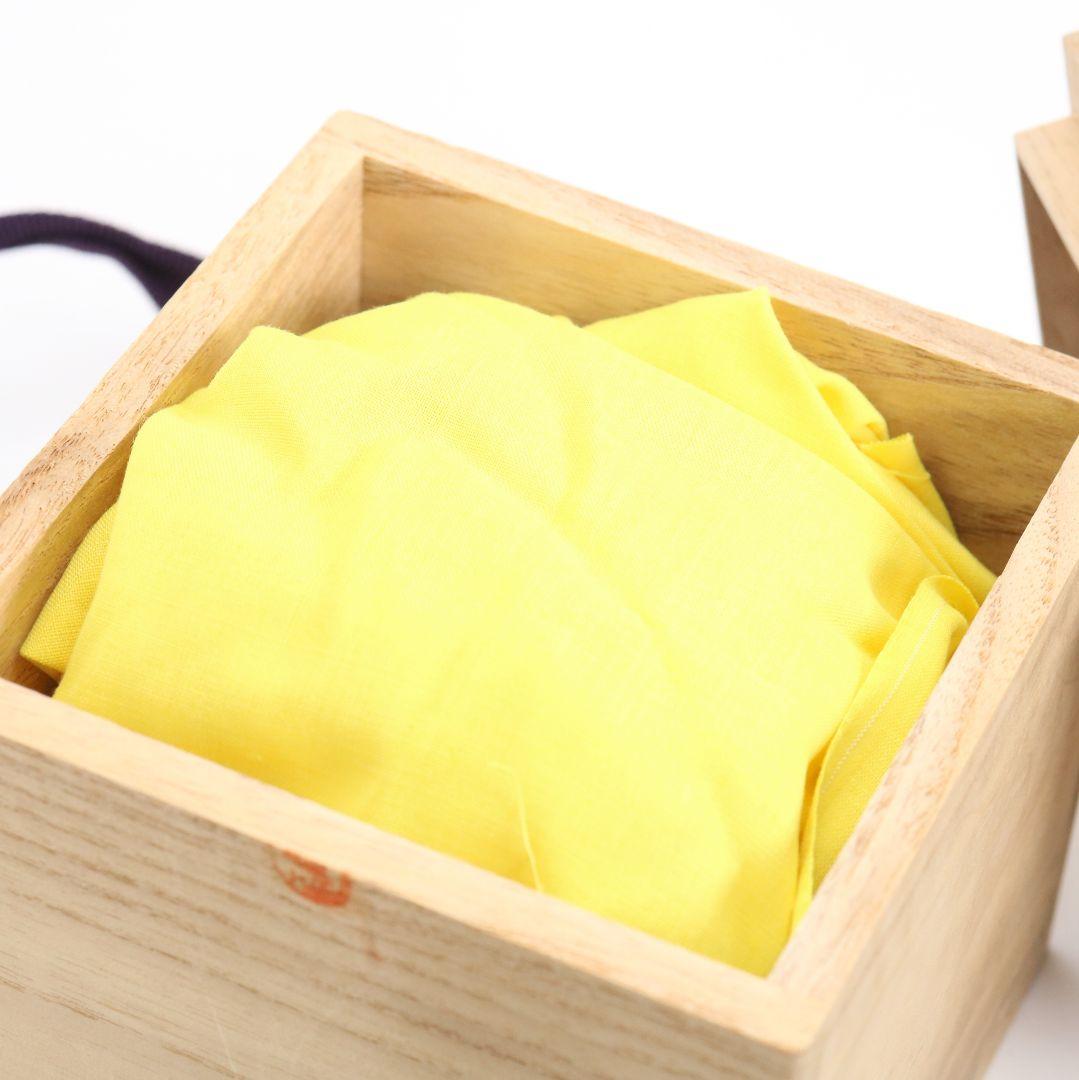
• Box: Signed tomobako with purple silk cord (共箱)
• Condition: Excellent — no chips, scratches, or wear
━━━━━━━━━━━━━━━━━━━━
🔹 [ CULTURAL & ARTISTIC INSIGHT ]
This hira-natsume represents the pinnacle of Japanese lacquer artistry—a convergence of multiple maki-e techniques executed on a single, palm-sized vessel. The four seasons flower motif (shiki-souka) that envelops the body depicts hydrangea clusters, chrysanthemums, and seasonal blossoms rendered through layers of gold that shift between taka-maki-e (raised relief), hira-maki-e (flat application), and togidashi-maki-e (burnished flush technique). Each petal, leaf, and stem exists at a different elevation within the lacquer surface, creating a three-dimensional landscape visible only in raking light.
The hira-natsume form—a flattened tea caddy—is among the most intimate objects in the tea ceremony. Held in the palm during the preparation of thin tea (usucha), it becomes an extension of the host’s intention. To commission such elaborate maki-e decoration on this form is to invest the quotidian act of measuring tea powder with the full weight of Japanese decorative tradition.
Kuze Soshun’s mastery is evident in the seamless integration of techniques: the nashiji ground glimmers beneath the floral program like scattered gold dust caught in amber, while the uchi-kin-nuri interior ensures that even the unseen surfaces honor the material’s integrity. This is lacquer work where nothing is left to economy—every surface is considered, every layer intentional.
*"Gold does not decorate lacquer. Lacquer reveals what gold has always contained—the patience of the one who scattered it."*
━━━━━━━━━━━━━━━━━━━━
🔹 [ DEEP-DIVE COMMENTARY ]
**The Maki-e Hierarchy**: Maki-e (蒔絵, “sprinkled picture”) encompasses several distinct techniques ranked by complexity. Hira-maki-e involves sprinkling gold powder onto wet lacquer and sealing it flat. Taka-maki-e builds up three-dimensional relief through successive layers of lacquer mixed with charcoal powder or clay before applying gold. Togidashi-maki-e buries the gold beneath additional lacquer coats, then polishes back to reveal the design flush with the surface. This natsume employs all three on a single vessel—a technical achievement that few lacquer artists attempt.
**Four Seasons Iconography**: The shiki-souka (四季草花) motif is among the most symbolically layered programs in Japanese decorative arts. By placing spring, summer, autumn, and winter flowers on one object, the artist collapses the passage of time into a single present moment. For a tea caddy used across all seasons, this is not mere decoration but philosophical statement—every tea gathering contains within it the memory and promise of all seasons.
**Nashiji and Interior Gold**: The nashiji (梨子地) technique scatters irregular gold flakes into translucent lacquer, creating a warm, shimmering ground that evokes the skin of a Japanese pear. The interior gold lacquer (uchi-kin-nuri) serves both aesthetic and practical purposes—it prevents the lacquer from imparting any flavor to the tea powder while demonstrating the maker’s commitment to completeness. In Japanese craft philosophy, the quality of unseen surfaces reveals the true character of the artisan.
**Collector Significance**: Hira-natsume with multi-technique maki-e of this caliber occupy the highest tier of tea ceremony lacquerware. The combination of named artist (Kuze Soshun), signed tomobako, uchi-kin-nuri interior, and nashiji ground indicates a piece made for serious tea practitioners. Such vessels are not merely containers—they are objects of contemplation that reward years of attentive handling, as the gold subtly deepens with the warmth and oils of repeated use.
━━━━━━━━━━━━━━━━━━━━
🔹 [ 日本語解説 ]
【基本情報】
• 作家:久世宗春
• 技法:金蒔絵(高蒔絵・平蒔絵・研出蒔絵)、梨子地、内金塗
• 時代:現代(平成〜令和)
• 産地:日本
• 寸法:高さ約6cm、直径約8.5cm
• 付属:共箱(紫紐)
• 状態:優良——傷・擦れなし
【解説】
本作は、金蒔絵の複数技法を一つの器に集約した、漆芸の粋を凝縮した平棗である。四季草花文様は、紫陽花・菊等の季節の花々を、高蒔絵(立体的な金の盛り上げ)、平蒔絵(平面的な金粉蒔き)、そして研出蒔絵(漆に埋めて磨き出す技法)を併用して表現している。花弁の一枚一枚が異なる高さに存在し、斜め光で初めて見える奠行感は圧巻である。
梨子地は透明漆の中に金箔を散らした地文様で、花文様の下に温かな輝きを深く湛えた。内金塗は茶粉への味の影響を防ぎつつ、見えない面まで手を抜かない作家の姿勢を示す。日本の工芸哲学において、見えない部分の品質こそが作家の真価を物語る。
四季草花という主題は、春夏秋冬の花を一つの器に集めることで、時の流れを一期に凝縮する哲学的宣言でもある。あらゆる季節の茶席で用いられる棗にこの意匠を込めることは、一期一会の中に全ての季節の記憶と約束を含むという茶道の精神の表現である。
━━━━━━━━━━━━━━━━━━━━
🔹 [ SHIPPING & PACKAGING ]
• Dispatch: Within 1-6 business days
• Carrier: Japan Post EMS / UPS (with tracking)
• Packaging: Carefully wrapped with protective materials
*Four seasons converge in gold on lacquer—time itself, held still in the palm of the hand.*
━━━━━━━━━━━━━━━━━━━━
🔹 [ BASIC DETAILS ]
• Artist: Kuze Soshun (久世宗春)
• Technique: Kin-maki-e (金蒔絵) — gold sprinkled picture with taka-maki-e (raised) and hira-maki-e (flat) techniques; nashiji (梨子地) pear-skin ground; uchi-kin-nuri (内金塗) gold interior
• Era: Contemporary (Heisei–Reiwa period)
• Origin: Japan
• Dimensions: Height approx. 6 cm (2.4 in), Diameter approx. 8.5 cm (3.3 in)
• Box: Signed tomobako with purple silk cord (共箱)
• Condition: Excellent — no chips, scratches, or wear
━━━━━━━━━━━━━━━━━━━━
🔹 [ CULTURAL & ARTISTIC INSIGHT ]
This hira-natsume represents the pinnacle of Japanese lacquer artistry—a convergence of multiple maki-e techniques executed on a single, palm-sized vessel. The four seasons flower motif (shiki-souka) that envelops the body depicts hydrangea clusters, chrysanthemums, and seasonal blossoms rendered through layers of gold that shift between taka-maki-e (raised relief), hira-maki-e (flat application), and togidashi-maki-e (burnished flush technique). Each petal, leaf, and stem exists at a different elevation within the lacquer surface, creating a three-dimensional landscape visible only in raking light.
The hira-natsume form—a flattened tea caddy—is among the most intimate objects in the tea ceremony. Held in the palm during the preparation of thin tea (usucha), it becomes an extension of the host’s intention. To commission such elaborate maki-e decoration on this form is to invest the quotidian act of measuring tea powder with the full weight of Japanese decorative tradition.
Kuze Soshun’s mastery is evident in the seamless integration of techniques: the nashiji ground glimmers beneath the floral program like scattered gold dust caught in amber, while the uchi-kin-nuri interior ensures that even the unseen surfaces honor the material’s integrity. This is lacquer work where nothing is left to economy—every surface is considered, every layer intentional.
*"Gold does not decorate lacquer. Lacquer reveals what gold has always contained—the patience of the one who scattered it."*
━━━━━━━━━━━━━━━━━━━━
🔹 [ DEEP-DIVE COMMENTARY ]
**The Maki-e Hierarchy**: Maki-e (蒔絵, “sprinkled picture”) encompasses several distinct techniques ranked by complexity. Hira-maki-e involves sprinkling gold powder onto wet lacquer and sealing it flat. Taka-maki-e builds up three-dimensional relief through successive layers of lacquer mixed with charcoal powder or clay before applying gold. Togidashi-maki-e buries the gold beneath additional lacquer coats, then polishes back to reveal the design flush with the surface. This natsume employs all three on a single vessel—a technical achievement that few lacquer artists attempt.
**Four Seasons Iconography**: The shiki-souka (四季草花) motif is among the most symbolically layered programs in Japanese decorative arts. By placing spring, summer, autumn, and winter flowers on one object, the artist collapses the passage of time into a single present moment. For a tea caddy used across all seasons, this is not mere decoration but philosophical statement—every tea gathering contains within it the memory and promise of all seasons.
**Nashiji and Interior Gold**: The nashiji (梨子地) technique scatters irregular gold flakes into translucent lacquer, creating a warm, shimmering ground that evokes the skin of a Japanese pear. The interior gold lacquer (uchi-kin-nuri) serves both aesthetic and practical purposes—it prevents the lacquer from imparting any flavor to the tea powder while demonstrating the maker’s commitment to completeness. In Japanese craft philosophy, the quality of unseen surfaces reveals the true character of the artisan.
**Collector Significance**: Hira-natsume with multi-technique maki-e of this caliber occupy the highest tier of tea ceremony lacquerware. The combination of named artist (Kuze Soshun), signed tomobako, uchi-kin-nuri interior, and nashiji ground indicates a piece made for serious tea practitioners. Such vessels are not merely containers—they are objects of contemplation that reward years of attentive handling, as the gold subtly deepens with the warmth and oils of repeated use.
━━━━━━━━━━━━━━━━━━━━
🔹 [ 日本語解説 ]
【基本情報】
• 作家:久世宗春
• 技法:金蒔絵(高蒔絵・平蒔絵・研出蒔絵)、梨子地、内金塗
• 時代:現代(平成〜令和)
• 産地:日本
• 寸法:高さ約6cm、直径約8.5cm
• 付属:共箱(紫紐)
• 状態:優良——傷・擦れなし
【解説】
本作は、金蒔絵の複数技法を一つの器に集約した、漆芸の粋を凝縮した平棗である。四季草花文様は、紫陽花・菊等の季節の花々を、高蒔絵(立体的な金の盛り上げ)、平蒔絵(平面的な金粉蒔き)、そして研出蒔絵(漆に埋めて磨き出す技法)を併用して表現している。花弁の一枚一枚が異なる高さに存在し、斜め光で初めて見える奠行感は圧巻である。
梨子地は透明漆の中に金箔を散らした地文様で、花文様の下に温かな輝きを深く湛えた。内金塗は茶粉への味の影響を防ぎつつ、見えない面まで手を抜かない作家の姿勢を示す。日本の工芸哲学において、見えない部分の品質こそが作家の真価を物語る。
四季草花という主題は、春夏秋冬の花を一つの器に集めることで、時の流れを一期に凝縮する哲学的宣言でもある。あらゆる季節の茶席で用いられる棗にこの意匠を込めることは、一期一会の中に全ての季節の記憶と約束を含むという茶道の精神の表現である。
━━━━━━━━━━━━━━━━━━━━
🔹 [ SHIPPING & PACKAGING ]
• Dispatch: Within 1-6 business days
• Carrier: Japan Post EMS / UPS (with tracking)
• Packaging: Carefully wrapped with protective materials
*Four seasons converge in gold on lacquer—time itself, held still in the palm of the hand.*
Quantity
Couldn't load pickup availability
Low stock: 1 left
View full details