1
/
of
13
Eiraku Zengoro XVI Sokuzen | Kenzan-Style Plum Moon Chawan | Kenchu-sai Inscription | Omotesenke Tea Ceremony
Eiraku Zengoro XVI Sokuzen | Kenzan-Style Plum Moon Chawan | Kenchu-sai Inscription | Omotesenke Tea Ceremony
Regular price
Dhs. 5,849.00 AED
Regular price
Sale price
Dhs. 5,849.00 AED
Taxes included.
Shipping calculated at checkout.
A Kenzan-style plum moon chawan by the sixteenth-generation Eiraku Zengoro Sokuzen, bearing a scroll inscription by Kenchu-sai Horinuchi Sokan — a living document of Omotesenke authority. Plum-branch tea ceremony bowl with moon motif, Eiraku Sokuzen signed chawan, Kenzan-style ceramic tea bowl, Omotesenke tea school piece, Japanese matcha bowl with artist box, antique tea ceremony chawan, kinsai-style plum painting, museum-quality Japanese ceramics make this a singular presence in any collection.
🔹 [ Basic Details ]
• Artist: 16th-generation Eiraku Zengoro (Sokuzen) — one of the great Kyoto ceramic lineages
• School inscription: Kenchu-sai Horinuchi Sokan (兼中斎好書付), Omotesenke
• Technique: Kenzan-style overglaze painting on high-fired stoneware
• Origin: Kyoto, Japan
• Dimensions: diameter approx. 12.0 cm, height approx. 7.7 cm
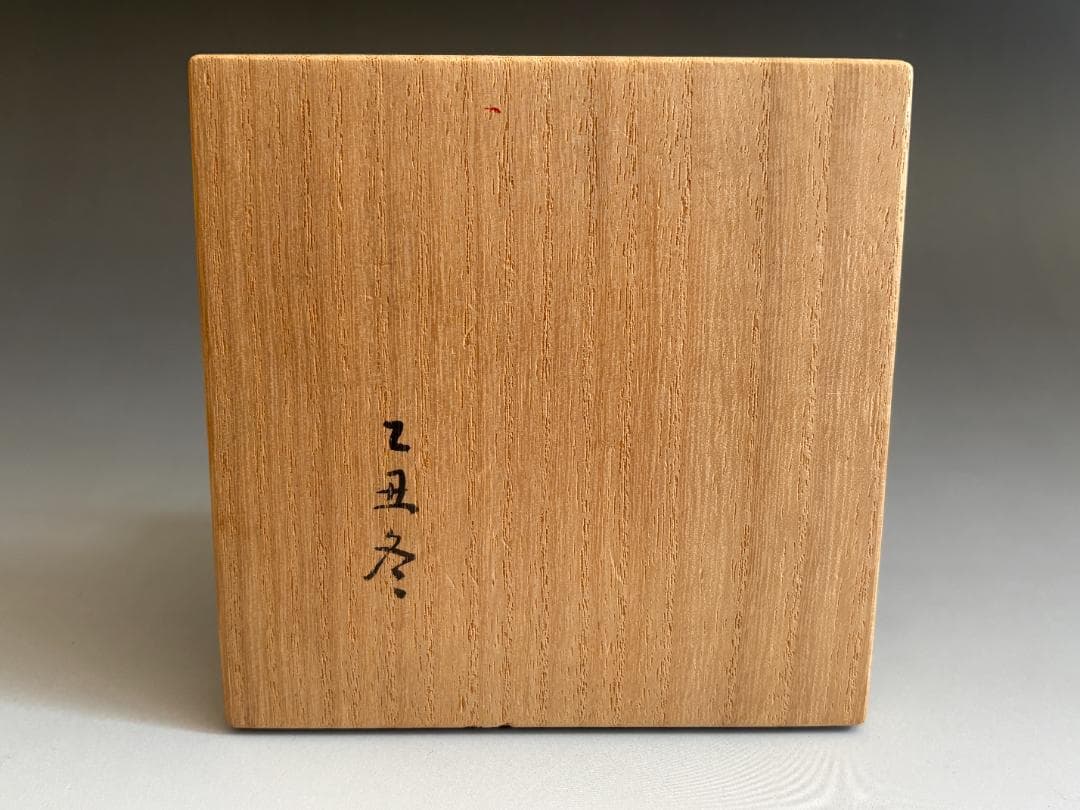
• Box: Original signed wood box (tomobako) with Kenchu-sai inscription
• Condition: No chips or cracks; natural kiln variation throughout
🔹 [ Cultural & Artistic Insight ]
The Eiraku lineage traces its roots to the Nishimura family potters of Kyoto, elevated to prominence under Tokugawa patronage. The sixteenth head, Sokuzen, carried this tradition into the modern era with unflinching fidelity to classical form. The Kenzan aesthetic — named for the 17th-century master Ogata Kenzan — prizes asymmetry, brevity of stroke, and the poetic space between mark and ground. Here, red plum blossoms scatter across a pale blush body washed with white, a full moon suggested rather than stated. A Kenchu-sai scroll inscription elevates the piece from signed work to school-endorsed utensil: it has been held, examined, and named by a grand master of Omotesenke.
🔹 [ Deep-Dive Commentary ]
The ground of this bowl is built from layered slips — white over blush clay — fired to produce the softly mottled surface characteristic of Kenzan revival work. The touch is intentionally uneven: the rim gently undulates, the foot sits slightly off-center, each feature a declaration that the hand, not the wheel, was the final authority.
The overglaze painting shows three qualities the Kenzan school demanded: economy, legibility, and emotional directness. Two or three plum branches emerge from the lower register; the blossoms are rendered with the minimum number of strokes needed to convey recognition. Against this restraint, the white moon wash on the body reads as an immense silence.
A Kenchu-sai inscription (好書付) is among the most meaningful forms of authentication in Omotesenke tradition. The tea master personally appraises the vessel, names it, and writes on the box lid — transforming the object from an artist's creation into a utensil consecrated for the way of tea. This inscription by Horinuchi Sokan, the 14th head of Omotesenke, places the bowl within a specific moment in post-war Japanese tea culture.
For collectors of Eiraku-ware, of Kenzan-lineage ceramics, or of Omotesenke-authenticated utensils, this bowl occupies a position that very few pieces can claim simultaneously: it carries genealogy, school endorsement, and genuine visual authority.
【作家物・茶道具 日本語説明】
🔹 [ 基本情報 ]
• 作者:十六代永楽善五郎(即全)
• 書付:兼中斎堀内宗完(表千家十四代)好書付
• 技法:乾山写・上絵付
• 産地:京都
• 寸法:径約12.0cm、高さ約7.7cm
• 箱:共箱(兼中斎書付入り)
• 状態:ヒビ・カケなし。自然な窯変あり。
🔹 [ 文化的背景 ]
永楽家は江戸期より続く京焼の名門。十六代即全は乾山写しの技法を現代に受け継ぎ、表千家好みの茶碗を数多く制作した。本作は兼中斎(表千家十四代)による好書付が付属し、茶道具としての格付けが明確である。梅と月の文様は冬から春への移ろいを詩的に表現している。
🔹 [ 鑑賞ポイント ]
白化粧を重ねた胴に紅梅を配した乾山写しの世界観。口縁のゆるやかな変形、やや偏心した高台——いずれも手の痕跡を重んじる乾山美学の体現である。兼中斎好書付は表千家の御墨付きとして、茶会での使用においても最高の格式を持つ。
🔹 [ SHIPPING & PACKAGING ]
• Dispatch: Within 1-6 business days
• Carrier: Japan Post EMS / UPS (with tracking)
• Packaging: Carefully wrapped with protective materials
🔹 [ Basic Details ]
• Artist: 16th-generation Eiraku Zengoro (Sokuzen) — one of the great Kyoto ceramic lineages
• School inscription: Kenchu-sai Horinuchi Sokan (兼中斎好書付), Omotesenke
• Technique: Kenzan-style overglaze painting on high-fired stoneware
• Origin: Kyoto, Japan
• Dimensions: diameter approx. 12.0 cm, height approx. 7.7 cm
• Box: Original signed wood box (tomobako) with Kenchu-sai inscription
• Condition: No chips or cracks; natural kiln variation throughout
🔹 [ Cultural & Artistic Insight ]
The Eiraku lineage traces its roots to the Nishimura family potters of Kyoto, elevated to prominence under Tokugawa patronage. The sixteenth head, Sokuzen, carried this tradition into the modern era with unflinching fidelity to classical form. The Kenzan aesthetic — named for the 17th-century master Ogata Kenzan — prizes asymmetry, brevity of stroke, and the poetic space between mark and ground. Here, red plum blossoms scatter across a pale blush body washed with white, a full moon suggested rather than stated. A Kenchu-sai scroll inscription elevates the piece from signed work to school-endorsed utensil: it has been held, examined, and named by a grand master of Omotesenke.
🔹 [ Deep-Dive Commentary ]
The ground of this bowl is built from layered slips — white over blush clay — fired to produce the softly mottled surface characteristic of Kenzan revival work. The touch is intentionally uneven: the rim gently undulates, the foot sits slightly off-center, each feature a declaration that the hand, not the wheel, was the final authority.
The overglaze painting shows three qualities the Kenzan school demanded: economy, legibility, and emotional directness. Two or three plum branches emerge from the lower register; the blossoms are rendered with the minimum number of strokes needed to convey recognition. Against this restraint, the white moon wash on the body reads as an immense silence.
A Kenchu-sai inscription (好書付) is among the most meaningful forms of authentication in Omotesenke tradition. The tea master personally appraises the vessel, names it, and writes on the box lid — transforming the object from an artist's creation into a utensil consecrated for the way of tea. This inscription by Horinuchi Sokan, the 14th head of Omotesenke, places the bowl within a specific moment in post-war Japanese tea culture.
For collectors of Eiraku-ware, of Kenzan-lineage ceramics, or of Omotesenke-authenticated utensils, this bowl occupies a position that very few pieces can claim simultaneously: it carries genealogy, school endorsement, and genuine visual authority.
【作家物・茶道具 日本語説明】
🔹 [ 基本情報 ]
• 作者:十六代永楽善五郎(即全)
• 書付:兼中斎堀内宗完(表千家十四代)好書付
• 技法:乾山写・上絵付
• 産地:京都
• 寸法:径約12.0cm、高さ約7.7cm
• 箱:共箱(兼中斎書付入り)
• 状態:ヒビ・カケなし。自然な窯変あり。
🔹 [ 文化的背景 ]
永楽家は江戸期より続く京焼の名門。十六代即全は乾山写しの技法を現代に受け継ぎ、表千家好みの茶碗を数多く制作した。本作は兼中斎(表千家十四代)による好書付が付属し、茶道具としての格付けが明確である。梅と月の文様は冬から春への移ろいを詩的に表現している。
🔹 [ 鑑賞ポイント ]
白化粧を重ねた胴に紅梅を配した乾山写しの世界観。口縁のゆるやかな変形、やや偏心した高台——いずれも手の痕跡を重んじる乾山美学の体現である。兼中斎好書付は表千家の御墨付きとして、茶会での使用においても最高の格式を持つ。
🔹 [ SHIPPING & PACKAGING ]
• Dispatch: Within 1-6 business days
• Carrier: Japan Post EMS / UPS (with tracking)
• Packaging: Carefully wrapped with protective materials
Quantity
Couldn't load pickup availability
Low stock: 1 left
View full details