1
/
of
12
Eiraku Zengorō Noshi Ribbon Tea Bowl Kyo-yaki Kinrande Gold Iro-e Chawan
Eiraku Zengorō Noshi Ribbon Tea Bowl Kyo-yaki Kinrande Gold Iro-e Chawan
Regular price
Dhs. 2,443.00 AED
Regular price
Sale price
Dhs. 2,443.00 AED
Taxes included.
Shipping calculated at checkout.
This Eiraku Zengorō Bowl is a Kyo-yaki Tea Bowl of commanding presence — a Kinrande Gold Chawan adorned with a bold Noshi Ribbon Design in Polychrome Enamel and Iro-e Overglaze. Crafted in the Kyoto Pottery Chawan tradition as Japanese Stoneware with Gold Accent Ceramics, this Celebratory Tea Bowl arrives in its original Tomobako Signed Box. A Matcha Chawan shaped by four centuries of unbroken lineage and offered for the Japan Tea Ceremony collector who recognizes authorship at first glance.
━━━━━━━━━━━━━━━━━━━━
🔹 [ BASIC DETAILS ]
• Artist: Eiraku Zengorō (永楽善五郎)
• Technique: Iro-e (色絵) with kinrande (金襴手) — polychrome overglaze enamel with gold decoration
• Era: Showa–Heisei period
• Origin: Kyoto, Japan
• Dimensions: H 7.9 cm × D 12.6 cm (3.1" h × 5.0" dia)
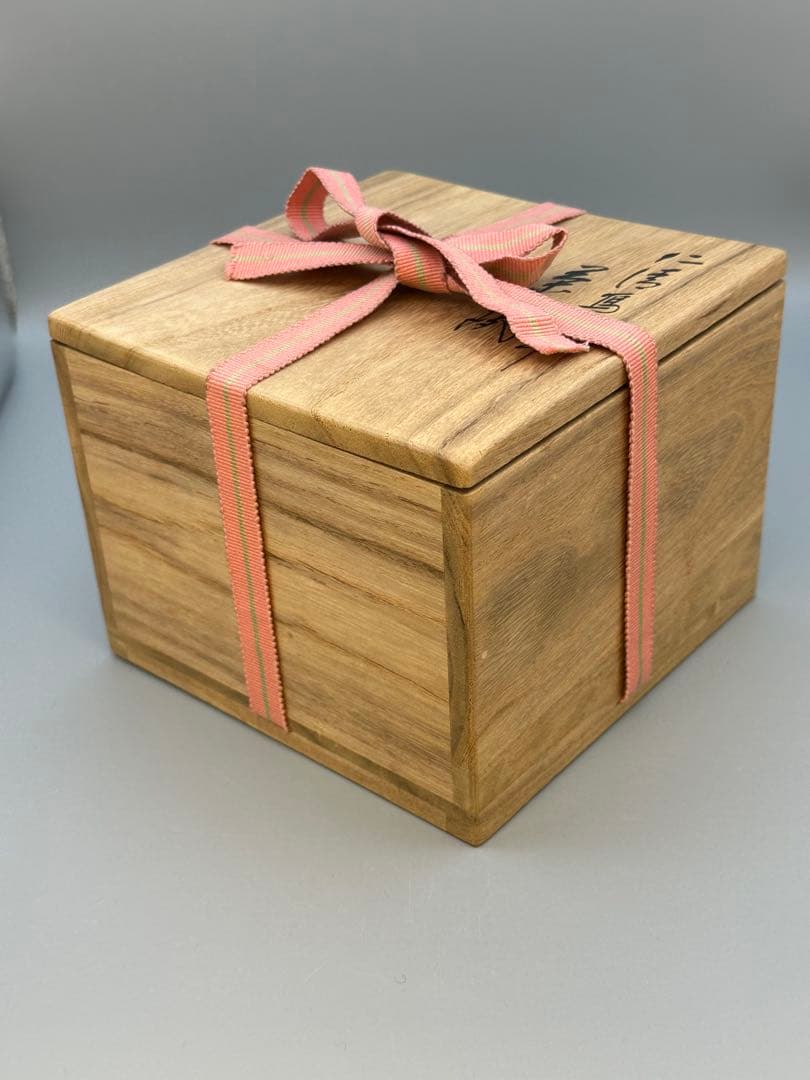
• Box: Tomobako with 和楽 (Waraku) circular seal and inscription
• Condition: Excellent — no chips, cracks, or repairs; enamels and gold intact throughout
━━━━━━━━━━━━━━━━━━━━
🔹 [ CULTURAL & ARTISTIC INSIGHT ]
The name Eiraku Zengorō occupies a place in Japanese ceramic history that few lineages can match. Established in the Muromachi period and elevated by the patronage of Sen no Rikyū's grandson Genpaku Sōtan, the Eiraku workshop became synonymous with the pinnacle of Kyo-yaki expression — a tradition where cultural literacy, technical command, and tea ceremony philosophy fuse into a single discipline. The 和楽 (Waraku) seal on this bowl's tomobako connects it to the lineage's continuous production, each generation inheriting and extending a vocabulary of overglaze painting that spans centuries.
The noshi motif — the ceremonial gift wrapper or ribbon bundle — is among the most auspicious subjects in Japanese decorative arts. Originating as dried abalone strips presented as offerings, the noshi evolved into an abstract symbol of celebration, continuity, and formal regard. On this bowl, the noshi ribbons cascade in bold arcs of gold leaf, emerald green, black, and deep maroon, their sweeping curves transforming the vessel's surface into a field of kinetic ceremony.
Eiraku's kinrande technique — gold brocade painting — requires extraordinary precision. Gold leaf is applied over fired enamel grounds, demanding multiple kiln passes at carefully calibrated temperatures. The result here is vivid and luminous: gold that catches light with textile-like warmth against the cream stoneware body. This is not ornament for its own sake. It is the visual language of a house that has spent generations refining what celebration looks like in clay.
The open form — generous at the rim, tapering to a delicate squared foot — sits with quiet composure. The interior reveals a clean cream tea pool with subtle spiral throwing marks, evidence of the potter's hand preserved beneath the glazed surface. A trace of the noshi design at the inner rim creates continuity between exterior expression and the intimate space where tea meets lip.
*"When gold is laid by a hand that has inherited four centuries of restraint — it does not glitter. It breathes."*
━━━━━━━━━━━━━━━━━━━━
🔹 [ DEEP-DIVE COMMENTARY ]
**Eiraku Lineage**: The Eiraku name was bestowed upon the Nishimura family of potters by the Senke tea establishment, linking the workshop permanently to the institutional heart of chanoyu. Across generations — from the legendary Eiraku Hozen's innovations in kinrande and cochin-de to subsequent inheritors — the workshop has maintained a breadth of technical vocabulary unmatched in Kyoto ceramic production. Each generation is expected to master not a single technique but the full spectrum of Kyo-yaki expression.
**Noshi (熨斗) Symbolism**: The noshi bundle is one of the oldest auspicious motifs in Japanese material culture. Its origins in ritual food offerings connect it to Shinto ceremony, while its evolution into an abstract decorative subject places it firmly within the Rimpa and courtly traditions. On tea vessels, the noshi motif signals celebration without excess — an appropriate choice for gatherings marking significant occasions within the tea calendar.
**Kinrande Technique**: The gold brocade method employed here is among the most demanding in Japanese overglaze painting. After the base enamel colors are fired and stabilized, gold leaf or gold paint is applied and refired at a lower temperature. Any miscalculation — too hot, and the gold burns; too cool, and it fails to adhere — results in irreversible damage. The pristine condition of the gold work on this bowl attests to disciplined kiln management and deep material understanding.
**Form and Tea Practice**: The wide, open profile with its slightly squared foot follows the Eiraku house style for celebratory bowls — generous enough to display the exterior decoration while providing a comfortable drinking form. In temae, this bowl commands attention during haiken (guest inspection), where the noshi ribbons and gold work reward close examination. The balance between visual drama and functional composure is characteristic of the Eiraku approach.
━━━━━━━━━━━━━━━━━━━━
🔹 [ 日本語解説 ]
【基本情報】
• 作家:永楽善五郎
• 技法:色絵金襴手(上絵付・金彩)
• 時代:昭和〜平成期
• 産地:京都
• 寸法:口径約12.6cm × 高さ約7.9cm
• 付属:共箱(和楽印・箱書あり)
• 状態:良好 — 傷、ヒビ、直しなし。色絵・金彩とも健全
【解説】
永楽善五郎による色絵金襴手の熨斗絵茶碗。温かみのあるクリーム色の素地に、金箔・緑釉・深紅・黒の熨斗文が大胆な弧を描いて展開する。永楽家は室町時代より続く京焼の名門中の名門であり、千家との深い縁から茶道具制作において比類なき地位を占めてきた。
熨斗文は日本の吉祥文様のなかでも格式の高いもので、慶事の茶席にふさわしい意匠である。金襴手の技法は、色絵の上に金彩を施し低温で再焼成するもので、温度管理に失敗すれば金が飛ぶ——その困難さを感じさせない仕上がりに、永楽家の技術の厚みが表れている。
見込みには轆轤目の残る清潔なクリーム釉が広がり、口縁付近にかすかに熨斗文が覗く。外面の華やかさと内面の静けさの対比が、茶碗としての奥行きを生んでいる。端正な高台は角を帯びた上品なフォルムで、手に馴染む重さとバランスを備える。
━━━━━━━━━━━━━━━━━━━━
🔹 [ SHIPPING & PACKAGING ]
• Dispatch: Within 1-6 business days
• Carrier: Japan Post EMS / UPS (with tracking)
• Packaging: Carefully wrapped with protective materials
━━━━━━━━━━━━━━━━━━━━
🔹 [ BASIC DETAILS ]
• Artist: Eiraku Zengorō (永楽善五郎)
• Technique: Iro-e (色絵) with kinrande (金襴手) — polychrome overglaze enamel with gold decoration
• Era: Showa–Heisei period
• Origin: Kyoto, Japan
• Dimensions: H 7.9 cm × D 12.6 cm (3.1" h × 5.0" dia)
• Box: Tomobako with 和楽 (Waraku) circular seal and inscription
• Condition: Excellent — no chips, cracks, or repairs; enamels and gold intact throughout
━━━━━━━━━━━━━━━━━━━━
🔹 [ CULTURAL & ARTISTIC INSIGHT ]
The name Eiraku Zengorō occupies a place in Japanese ceramic history that few lineages can match. Established in the Muromachi period and elevated by the patronage of Sen no Rikyū's grandson Genpaku Sōtan, the Eiraku workshop became synonymous with the pinnacle of Kyo-yaki expression — a tradition where cultural literacy, technical command, and tea ceremony philosophy fuse into a single discipline. The 和楽 (Waraku) seal on this bowl's tomobako connects it to the lineage's continuous production, each generation inheriting and extending a vocabulary of overglaze painting that spans centuries.
The noshi motif — the ceremonial gift wrapper or ribbon bundle — is among the most auspicious subjects in Japanese decorative arts. Originating as dried abalone strips presented as offerings, the noshi evolved into an abstract symbol of celebration, continuity, and formal regard. On this bowl, the noshi ribbons cascade in bold arcs of gold leaf, emerald green, black, and deep maroon, their sweeping curves transforming the vessel's surface into a field of kinetic ceremony.
Eiraku's kinrande technique — gold brocade painting — requires extraordinary precision. Gold leaf is applied over fired enamel grounds, demanding multiple kiln passes at carefully calibrated temperatures. The result here is vivid and luminous: gold that catches light with textile-like warmth against the cream stoneware body. This is not ornament for its own sake. It is the visual language of a house that has spent generations refining what celebration looks like in clay.
The open form — generous at the rim, tapering to a delicate squared foot — sits with quiet composure. The interior reveals a clean cream tea pool with subtle spiral throwing marks, evidence of the potter's hand preserved beneath the glazed surface. A trace of the noshi design at the inner rim creates continuity between exterior expression and the intimate space where tea meets lip.
*"When gold is laid by a hand that has inherited four centuries of restraint — it does not glitter. It breathes."*
━━━━━━━━━━━━━━━━━━━━
🔹 [ DEEP-DIVE COMMENTARY ]
**Eiraku Lineage**: The Eiraku name was bestowed upon the Nishimura family of potters by the Senke tea establishment, linking the workshop permanently to the institutional heart of chanoyu. Across generations — from the legendary Eiraku Hozen's innovations in kinrande and cochin-de to subsequent inheritors — the workshop has maintained a breadth of technical vocabulary unmatched in Kyoto ceramic production. Each generation is expected to master not a single technique but the full spectrum of Kyo-yaki expression.
**Noshi (熨斗) Symbolism**: The noshi bundle is one of the oldest auspicious motifs in Japanese material culture. Its origins in ritual food offerings connect it to Shinto ceremony, while its evolution into an abstract decorative subject places it firmly within the Rimpa and courtly traditions. On tea vessels, the noshi motif signals celebration without excess — an appropriate choice for gatherings marking significant occasions within the tea calendar.
**Kinrande Technique**: The gold brocade method employed here is among the most demanding in Japanese overglaze painting. After the base enamel colors are fired and stabilized, gold leaf or gold paint is applied and refired at a lower temperature. Any miscalculation — too hot, and the gold burns; too cool, and it fails to adhere — results in irreversible damage. The pristine condition of the gold work on this bowl attests to disciplined kiln management and deep material understanding.
**Form and Tea Practice**: The wide, open profile with its slightly squared foot follows the Eiraku house style for celebratory bowls — generous enough to display the exterior decoration while providing a comfortable drinking form. In temae, this bowl commands attention during haiken (guest inspection), where the noshi ribbons and gold work reward close examination. The balance between visual drama and functional composure is characteristic of the Eiraku approach.
━━━━━━━━━━━━━━━━━━━━
🔹 [ 日本語解説 ]
【基本情報】
• 作家:永楽善五郎
• 技法:色絵金襴手(上絵付・金彩)
• 時代:昭和〜平成期
• 産地:京都
• 寸法:口径約12.6cm × 高さ約7.9cm
• 付属:共箱(和楽印・箱書あり)
• 状態:良好 — 傷、ヒビ、直しなし。色絵・金彩とも健全
【解説】
永楽善五郎による色絵金襴手の熨斗絵茶碗。温かみのあるクリーム色の素地に、金箔・緑釉・深紅・黒の熨斗文が大胆な弧を描いて展開する。永楽家は室町時代より続く京焼の名門中の名門であり、千家との深い縁から茶道具制作において比類なき地位を占めてきた。
熨斗文は日本の吉祥文様のなかでも格式の高いもので、慶事の茶席にふさわしい意匠である。金襴手の技法は、色絵の上に金彩を施し低温で再焼成するもので、温度管理に失敗すれば金が飛ぶ——その困難さを感じさせない仕上がりに、永楽家の技術の厚みが表れている。
見込みには轆轤目の残る清潔なクリーム釉が広がり、口縁付近にかすかに熨斗文が覗く。外面の華やかさと内面の静けさの対比が、茶碗としての奥行きを生んでいる。端正な高台は角を帯びた上品なフォルムで、手に馴染む重さとバランスを備える。
━━━━━━━━━━━━━━━━━━━━
🔹 [ SHIPPING & PACKAGING ]
• Dispatch: Within 1-6 business days
• Carrier: Japan Post EMS / UPS (with tracking)
• Packaging: Carefully wrapped with protective materials
Quantity
Couldn't load pickup availability
Out of stock
View full details