1
/
of
11
Eiraku Sokuzen XVI Kenzan-Style Tiger in Bamboo Chawan — Senke Jisshoku
Eiraku Sokuzen XVI Kenzan-Style Tiger in Bamboo Chawan — Senke Jisshoku
Regular price
Dhs. 4,925.00 AED
Regular price
Sale price
Dhs. 4,925.00 AED
Taxes included.
Shipping calculated at checkout.
Experience Authentic Japanese Tea Ceremony Ceramics with this Eiraku Sokuzen Kenzan-Style Tiger in Bamboo Grove Tea Bowl. This Chawan serves as a Japanese Painted Tea Bowl and Kyoto Senke Jisshoku Masterwork, featuring Kenzan Overglaze Enamel and Classical Auspicious Motif—a must-have for any Tea Ceremony Connoisseur seeking Artistic Heritage and Museum-Grade Ceramics.
━━━━━━━━━━━━━━━━━━━━
🔹 [ BASIC DETAILS ]
• Artist: Eiraku Sokuzen / XVI Eiraku Zengorō (永楽即全 / 十六代永楽善五郎)
• Technique: Kenzan-utsushi (乾山写) — painted overglaze enamel on white ground
• Era: Late Shōwa period (1980s)
• Origin: Kyoto, Japan
• Dimensions: Dia 11.0 cm × H 9.0 cm (4.3" × 3.5")
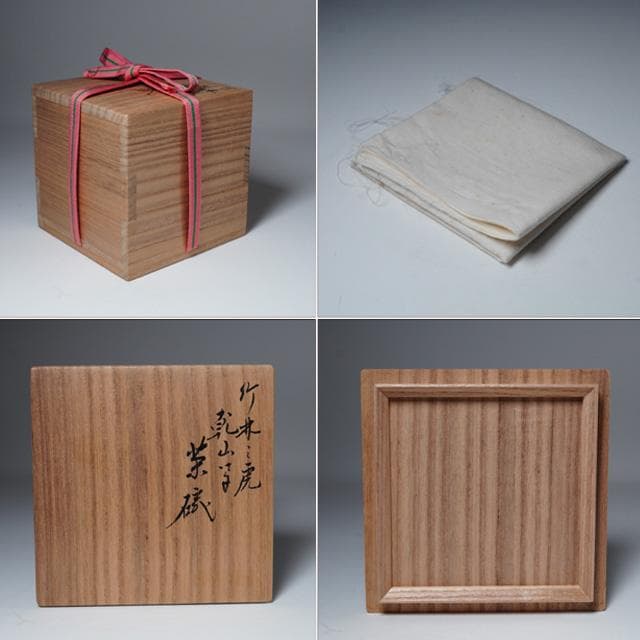
• Box: Signed paulownia tomobako with cloth wrapper (共箱共布)
• Condition: Excellent — fine crazing (kannyu) consistent with tradition; no chips, cracks, or repairs
━━━━━━━━━━━━━━━━━━━━
🔹 [ CULTURAL & ARTISTIC INSIGHT ]
Among the painted subjects available to a Kenzan-tradition ceramicist, the tiger in bamboo holds a particular density of intention. In East Asian cosmology, the tiger is not merely an animal but a force — courage given form, vitality compressed into sinew and stripe. Paired with bamboo, which bends without breaking, the composition becomes a meditation on strength and resilience existing in dynamic balance.
XVI Eiraku Zengorō — Sokuzen — brings the full authority of the Senke Jisshoku lineage to this subject. His tiger crouches among vivid green bamboo stalks with a presence that is both watchful and still, rendered in confident brushstrokes that reveal decades of practice distilled into decisive gesture. The warm white ground with its characteristic crazing provides a luminous field against which the narrative unfolds.
This is painted ceramics understood not as illustration on a vessel but as the vessel itself becoming a site of meaning. The red earthenware foot visible at the base returns us to Kyoto, to earth, to the material foundation from which four centuries of the Eiraku tradition continue to rise.
*"The tiger waits in bamboo not because it must, but because patience itself is a form of power."*
━━━━━━━━━━━━━━━━━━━━
🔹 [ DEEP-DIVE COMMENTARY ]
**Tiger and Bamboo (竹に虎)**: This classical East Asian motif derives from the Chinese saying "peonies with lions, bamboo with tigers" (牡丹に獅子、竹に虎), expressing the idea that powerful beings find their natural setting among equally vital companions. In Japanese art, the pairing appears across screens, scrolls, textiles, and ceramics — always carrying associations of courage, nobility, and auspicious energy. On a tea bowl used in chanoyu, the motif introduces a dynamic, almost fierce vitality that creates compelling tension with the quietude of the tea room.
**Sokuzen's Painterly Command**: XVI Eiraku Zengorō's Kenzan-utsushi works are distinguished by their compositional assurance and chromatic clarity. Where lesser artists might overwork the painted surface, Sokuzen's brushwork achieves its effect through economy — each stroke placed with the confidence of an artist who has fully internalized the subject. The tiger's form emerges from surprisingly few gestures, yet its presence fills the bowl completely.
**Overglaze Enamel Technique**: The painted decoration is applied over an already-fired white glaze, then fired again at a lower temperature to fuse the enamels. This multi-firing process demands precise control of materials and temperatures. The green of the bamboo, the yellow and black of the tiger, and the subtle ground tones each have different flux points, requiring the artist to understand how each pigment will behave in the kiln — a technical mastery invisible in the finished work.
**Senke Jisshoku Context**: As one of the Ten Master Craftsmen, the Eiraku house produces work that enters the most formal tea settings. A Kenzan-utsushi chawan by Sokuzen would be appropriate for occasions ranging from casual tea gatherings to significant ceremonial events. The subject of tiger in bamboo, with its associations of strength and New Year celebrations, makes this bowl particularly suited for winter and early spring tea.
━━━━━━━━━━━━━━━━━━━━
🔹 [ 日本語解説 ]
【基本情報】
• 作家:永楽即全(十六代永楽善五郎)
• 技法:乾山写 — 白地上絵付
• 時代:昭和後期(1980年代)
• 産地:京都
• 寸法:口径 約11.0cm × 高さ 約9.0cm
• 箱:共箱共布
• 状態:良好 — 貫入あり(伝統技法に沿ったもの)、傷・欠け・修理なし
【解説】
「竹に虎」は東洋の古典的画題であり、中国の「牡丹に獅子、竹に虎」の故事に由来します。虎は勇気と威厳の象徴であり、しなやかに撓む竹との取り合わせは、剛と柔の動的均衡を表現しています。
十六代永楽善五郎・即全は千家十職としての矜持を以て、この画題を乾山写の茶碗に描き上げました。鮮やかな緑の竹林の中に身を沈める虎は、一筆一筆に迷いのない確かな筆致で表現され、長年の修練から生まれる決断力が画面全体に漲っています。
温かみのある白地に走る細やかな貫入、高台に覗く赤い素地——京焼の伝統と乾山写の精神が、千家十職の四百年の歴史とともにこの一碗に凝縮されています。冬から初春の茶席にとりわけふさわしい、力強くも格調高い作品です。
━━━━━━━━━━━━━━━━━━━━
🔹 [ SHIPPING & PACKAGING ]
• Dispatch: Within 1-6 business days
• Carrier: Japan Post EMS / UPS (with tracking)
• Packaging: Carefully wrapped with protective materials
*A tiger holds still among bamboo — and the tea room fills with the quiet force of four hundred years.*
━━━━━━━━━━━━━━━━━━━━
🔹 [ BASIC DETAILS ]
• Artist: Eiraku Sokuzen / XVI Eiraku Zengorō (永楽即全 / 十六代永楽善五郎)
• Technique: Kenzan-utsushi (乾山写) — painted overglaze enamel on white ground
• Era: Late Shōwa period (1980s)
• Origin: Kyoto, Japan
• Dimensions: Dia 11.0 cm × H 9.0 cm (4.3" × 3.5")
• Box: Signed paulownia tomobako with cloth wrapper (共箱共布)
• Condition: Excellent — fine crazing (kannyu) consistent with tradition; no chips, cracks, or repairs
━━━━━━━━━━━━━━━━━━━━
🔹 [ CULTURAL & ARTISTIC INSIGHT ]
Among the painted subjects available to a Kenzan-tradition ceramicist, the tiger in bamboo holds a particular density of intention. In East Asian cosmology, the tiger is not merely an animal but a force — courage given form, vitality compressed into sinew and stripe. Paired with bamboo, which bends without breaking, the composition becomes a meditation on strength and resilience existing in dynamic balance.
XVI Eiraku Zengorō — Sokuzen — brings the full authority of the Senke Jisshoku lineage to this subject. His tiger crouches among vivid green bamboo stalks with a presence that is both watchful and still, rendered in confident brushstrokes that reveal decades of practice distilled into decisive gesture. The warm white ground with its characteristic crazing provides a luminous field against which the narrative unfolds.
This is painted ceramics understood not as illustration on a vessel but as the vessel itself becoming a site of meaning. The red earthenware foot visible at the base returns us to Kyoto, to earth, to the material foundation from which four centuries of the Eiraku tradition continue to rise.
*"The tiger waits in bamboo not because it must, but because patience itself is a form of power."*
━━━━━━━━━━━━━━━━━━━━
🔹 [ DEEP-DIVE COMMENTARY ]
**Tiger and Bamboo (竹に虎)**: This classical East Asian motif derives from the Chinese saying "peonies with lions, bamboo with tigers" (牡丹に獅子、竹に虎), expressing the idea that powerful beings find their natural setting among equally vital companions. In Japanese art, the pairing appears across screens, scrolls, textiles, and ceramics — always carrying associations of courage, nobility, and auspicious energy. On a tea bowl used in chanoyu, the motif introduces a dynamic, almost fierce vitality that creates compelling tension with the quietude of the tea room.
**Sokuzen's Painterly Command**: XVI Eiraku Zengorō's Kenzan-utsushi works are distinguished by their compositional assurance and chromatic clarity. Where lesser artists might overwork the painted surface, Sokuzen's brushwork achieves its effect through economy — each stroke placed with the confidence of an artist who has fully internalized the subject. The tiger's form emerges from surprisingly few gestures, yet its presence fills the bowl completely.
**Overglaze Enamel Technique**: The painted decoration is applied over an already-fired white glaze, then fired again at a lower temperature to fuse the enamels. This multi-firing process demands precise control of materials and temperatures. The green of the bamboo, the yellow and black of the tiger, and the subtle ground tones each have different flux points, requiring the artist to understand how each pigment will behave in the kiln — a technical mastery invisible in the finished work.
**Senke Jisshoku Context**: As one of the Ten Master Craftsmen, the Eiraku house produces work that enters the most formal tea settings. A Kenzan-utsushi chawan by Sokuzen would be appropriate for occasions ranging from casual tea gatherings to significant ceremonial events. The subject of tiger in bamboo, with its associations of strength and New Year celebrations, makes this bowl particularly suited for winter and early spring tea.
━━━━━━━━━━━━━━━━━━━━
🔹 [ 日本語解説 ]
【基本情報】
• 作家:永楽即全(十六代永楽善五郎)
• 技法:乾山写 — 白地上絵付
• 時代:昭和後期(1980年代)
• 産地:京都
• 寸法:口径 約11.0cm × 高さ 約9.0cm
• 箱:共箱共布
• 状態:良好 — 貫入あり(伝統技法に沿ったもの)、傷・欠け・修理なし
【解説】
「竹に虎」は東洋の古典的画題であり、中国の「牡丹に獅子、竹に虎」の故事に由来します。虎は勇気と威厳の象徴であり、しなやかに撓む竹との取り合わせは、剛と柔の動的均衡を表現しています。
十六代永楽善五郎・即全は千家十職としての矜持を以て、この画題を乾山写の茶碗に描き上げました。鮮やかな緑の竹林の中に身を沈める虎は、一筆一筆に迷いのない確かな筆致で表現され、長年の修練から生まれる決断力が画面全体に漲っています。
温かみのある白地に走る細やかな貫入、高台に覗く赤い素地——京焼の伝統と乾山写の精神が、千家十職の四百年の歴史とともにこの一碗に凝縮されています。冬から初春の茶席にとりわけふさわしい、力強くも格調高い作品です。
━━━━━━━━━━━━━━━━━━━━
🔹 [ SHIPPING & PACKAGING ]
• Dispatch: Within 1-6 business days
• Carrier: Japan Post EMS / UPS (with tracking)
• Packaging: Carefully wrapped with protective materials
*A tiger holds still among bamboo — and the tea room fills with the quiet force of four hundred years.*
Quantity
Couldn't load pickup availability
Low stock: 1 left
View full details