1
/
of
10
Eiraku Sokuzen XVI Kenzan-Style Snow Peak Chawan — Senke Jisshoku Tea Bowl
Eiraku Sokuzen XVI Kenzan-Style Snow Peak Chawan — Senke Jisshoku Tea Bowl
Regular price
Dhs. 3,504.00 AED
Regular price
Sale price
Dhs. 3,504.00 AED
Taxes included.
Shipping calculated at checkout.
Experience Authentic Japanese Tea Ceremony Ceramics with this Eiraku Sokuzen Kenzan-Style Snow Peak Tea Bowl. This Chawan serves as a Japanese Tea Bowl and Kyoto Ceramic Art piece, featuring Kenzan Painted Pottery and Senke Jisshoku Craftsmanship—a must-have for any Tea Ceremony Practitioner seeking Cultural Heritage and Collector-Grade Ceramics.
━━━━━━━━━━━━━━━━━━━━
🔹 [ BASIC DETAILS ]
• Artist: Eiraku Sokuzen / XVI Eiraku Zengorō (永楽即全 / 十六代永楽善五郎)
• Technique: Kenzan-utsushi (乾山写) — painted overglaze enamel on white ground
• Era: Late Shōwa period (1980s)
• Origin: Kyoto, Japan
• Dimensions: Dia 11.2 cm × H 8.7 cm (4.4" × 3.4")
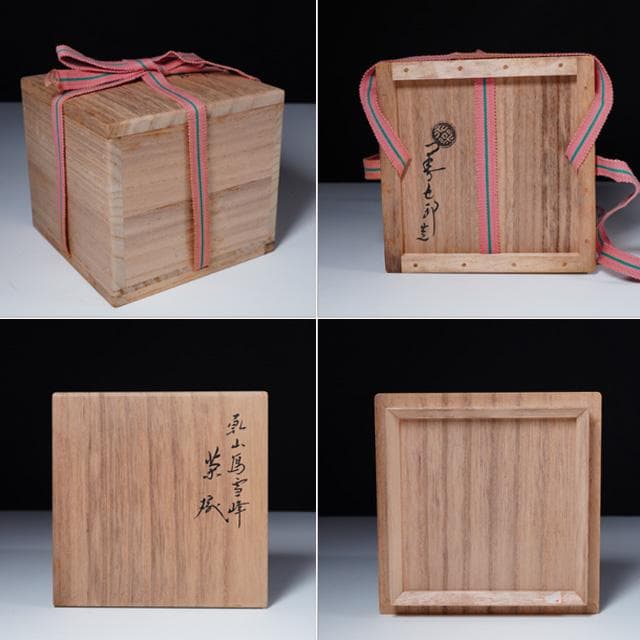
• Box: Signed paulownia tomobako (共箱)
• Condition: Excellent — fine crazing (kannyu) consistent with age and tradition; no chips, cracks, or repairs
━━━━━━━━━━━━━━━━━━━━
🔹 [ CULTURAL & ARTISTIC INSIGHT ]
The Eiraku kiln stands as one of the Senke Jisshoku (千家十職) — the Ten Master Craftsmen who have served the three Sen schools of tea for over four centuries. To hold an Eiraku vessel is to hold a thread that connects directly to the Momoyama-period origins of chanoyu. XVI Eiraku Zengorō, known as Sokuzen, upheld this responsibility with a reverence for classical vocabulary while allowing his own quiet conviction to emerge in each firing.
This chawan draws from the painted tradition of Ogata Kenzan, the Edo-period master who dissolved the boundary between painting and ceramic form. Snow-capped peaks rendered in cobalt blue, green, and gold rise across the bowl's surface — a mountain landscape that breathes with seasonal inevitability. The white ground carries a network of fine crazing, each line a record of the kiln's atmosphere sealed into the glaze.
The red earthenware foot, left unglazed in the Kyoto tradition, grounds the piece in its material origins. This is not decoration applied to a vessel — it is landscape and form understood as a single gesture.
*"The mountain does not announce itself. It simply stands where it has always been, and we arrange our lives around its presence."*
━━━━━━━━━━━━━━━━━━━━
🔹 [ DEEP-DIVE COMMENTARY ]
**Senke Jisshoku Legacy**: The Ten Master Craftsmen represent an unbroken lineage of service to the Sen tea schools. The Eiraku family holds the responsibility of ceramic production within this structure — a role that demands both technical mastery and deep understanding of tea aesthetics. Each generation inherits not merely technique but an entire philosophy of how clay, glaze, and fire serve the moment of tea.
**Kenzan-Utsushi Tradition**: The practice of "copying Kenzan" (乾山写) is not imitation but dialogue. Each artist who works in this tradition must internalize Kenzan's principles — the integration of painting and form, the celebration of natural motifs, the balance between boldness and restraint — and then express them through their own hand. Sokuzen's Kenzan-utsushi pieces are recognized for their clarity of brushwork and compositional confidence.
**Yukimine (Snow Peak) Motif**: Mountain landscapes in Japanese tea culture carry layers of meaning — the permanence of nature against the transience of seasons, the solitude required for contemplation, and the aspiration toward clarity. The snow peak motif specifically evokes the cold months when tea practice turns inward, and the warmth of the bowl in one's hands becomes a counterpoint to the world outside.
**Kyoto Red Clay Foundation**: The unglazed red earthenware foot is a signature of Kyoto ware production. This exposed clay connects the finished vessel to its raw material origins, reminding the user that even the most refined surface begins in earth. In the context of chanoyu, this visible foundation speaks to the wabi principle of finding completeness in the unfinished.
━━━━━━━━━━━━━━━━━━━━
🔹 [ 日本語解説 ]
【基本情報】
• 作家:永楽即全(十六代永楽善五郎)
• 技法:乾山写 — 白地上絵付
• 時代:昭和後期(1980年代)
• 産地:京都
• 寸法:口径 約11.2cm × 高さ 約8.7cm
• 箱:共箱
• 状態:良好 — 貫入あり(経年・伝統技法に沿ったもの)、傷・欠け・修理なし
【解説】
永楽家は千家十職の一つとして、四百年以上にわたり三千家に茶道具を納めてきた名門窯元です。十六代善五郎・即全は、伝統の語彙を深く理解しながらも、自身の確かな審美眼を器に込めた作家として知られています。
本作は尾形乾山の絵付陶芸の系譜に連なる「乾山写」の茶碗です。白地に呉須の藍、緑、金彩で描かれた雪峰の山水は、季節の移ろいと自然の悠久を静かに湛えています。全面に走る細やかな貫入は窯の記憶を留め、高台に見える赤い素地は京焼の伝統を物語ります。
絵と形が一体となった乾山写の精神を、千家十職の矜持で昇華させた一碗です。
━━━━━━━━━━━━━━━━━━━━
🔹 [ SHIPPING & PACKAGING ]
• Dispatch: Within 1-6 business days
• Carrier: Japan Post EMS / UPS (with tracking)
• Packaging: Carefully wrapped with protective materials
*A mountain landscape, held between two hands — where the stillness of snow meets the warmth of tea.*
━━━━━━━━━━━━━━━━━━━━
🔹 [ BASIC DETAILS ]
• Artist: Eiraku Sokuzen / XVI Eiraku Zengorō (永楽即全 / 十六代永楽善五郎)
• Technique: Kenzan-utsushi (乾山写) — painted overglaze enamel on white ground
• Era: Late Shōwa period (1980s)
• Origin: Kyoto, Japan
• Dimensions: Dia 11.2 cm × H 8.7 cm (4.4" × 3.4")
• Box: Signed paulownia tomobako (共箱)
• Condition: Excellent — fine crazing (kannyu) consistent with age and tradition; no chips, cracks, or repairs
━━━━━━━━━━━━━━━━━━━━
🔹 [ CULTURAL & ARTISTIC INSIGHT ]
The Eiraku kiln stands as one of the Senke Jisshoku (千家十職) — the Ten Master Craftsmen who have served the three Sen schools of tea for over four centuries. To hold an Eiraku vessel is to hold a thread that connects directly to the Momoyama-period origins of chanoyu. XVI Eiraku Zengorō, known as Sokuzen, upheld this responsibility with a reverence for classical vocabulary while allowing his own quiet conviction to emerge in each firing.
This chawan draws from the painted tradition of Ogata Kenzan, the Edo-period master who dissolved the boundary between painting and ceramic form. Snow-capped peaks rendered in cobalt blue, green, and gold rise across the bowl's surface — a mountain landscape that breathes with seasonal inevitability. The white ground carries a network of fine crazing, each line a record of the kiln's atmosphere sealed into the glaze.
The red earthenware foot, left unglazed in the Kyoto tradition, grounds the piece in its material origins. This is not decoration applied to a vessel — it is landscape and form understood as a single gesture.
*"The mountain does not announce itself. It simply stands where it has always been, and we arrange our lives around its presence."*
━━━━━━━━━━━━━━━━━━━━
🔹 [ DEEP-DIVE COMMENTARY ]
**Senke Jisshoku Legacy**: The Ten Master Craftsmen represent an unbroken lineage of service to the Sen tea schools. The Eiraku family holds the responsibility of ceramic production within this structure — a role that demands both technical mastery and deep understanding of tea aesthetics. Each generation inherits not merely technique but an entire philosophy of how clay, glaze, and fire serve the moment of tea.
**Kenzan-Utsushi Tradition**: The practice of "copying Kenzan" (乾山写) is not imitation but dialogue. Each artist who works in this tradition must internalize Kenzan's principles — the integration of painting and form, the celebration of natural motifs, the balance between boldness and restraint — and then express them through their own hand. Sokuzen's Kenzan-utsushi pieces are recognized for their clarity of brushwork and compositional confidence.
**Yukimine (Snow Peak) Motif**: Mountain landscapes in Japanese tea culture carry layers of meaning — the permanence of nature against the transience of seasons, the solitude required for contemplation, and the aspiration toward clarity. The snow peak motif specifically evokes the cold months when tea practice turns inward, and the warmth of the bowl in one's hands becomes a counterpoint to the world outside.
**Kyoto Red Clay Foundation**: The unglazed red earthenware foot is a signature of Kyoto ware production. This exposed clay connects the finished vessel to its raw material origins, reminding the user that even the most refined surface begins in earth. In the context of chanoyu, this visible foundation speaks to the wabi principle of finding completeness in the unfinished.
━━━━━━━━━━━━━━━━━━━━
🔹 [ 日本語解説 ]
【基本情報】
• 作家:永楽即全(十六代永楽善五郎)
• 技法:乾山写 — 白地上絵付
• 時代:昭和後期(1980年代)
• 産地:京都
• 寸法:口径 約11.2cm × 高さ 約8.7cm
• 箱:共箱
• 状態:良好 — 貫入あり(経年・伝統技法に沿ったもの)、傷・欠け・修理なし
【解説】
永楽家は千家十職の一つとして、四百年以上にわたり三千家に茶道具を納めてきた名門窯元です。十六代善五郎・即全は、伝統の語彙を深く理解しながらも、自身の確かな審美眼を器に込めた作家として知られています。
本作は尾形乾山の絵付陶芸の系譜に連なる「乾山写」の茶碗です。白地に呉須の藍、緑、金彩で描かれた雪峰の山水は、季節の移ろいと自然の悠久を静かに湛えています。全面に走る細やかな貫入は窯の記憶を留め、高台に見える赤い素地は京焼の伝統を物語ります。
絵と形が一体となった乾山写の精神を、千家十職の矜持で昇華させた一碗です。
━━━━━━━━━━━━━━━━━━━━
🔹 [ SHIPPING & PACKAGING ]
• Dispatch: Within 1-6 business days
• Carrier: Japan Post EMS / UPS (with tracking)
• Packaging: Carefully wrapped with protective materials
*A mountain landscape, held between two hands — where the stillness of snow meets the warmth of tea.*
Quantity
Couldn't load pickup availability
Out of stock
View full details