Experience Authentic Japan Art with this Edo Period Saga Yaki Tea Bowl. This Antique Japanese Chawan serves as a Kyoto Raku Ware Treasure and Handmade Wabi Sabi Ceramic, featuring Amber Olive Glaze Art and Hand Built Pottery Form—a must-have for any Serious Collector seeking Rare Antique Teaware and Museum Quality Japanese Bowl.
━━━━━━━━━━━━━━━━━━━━
🔹 [ BASIC DETAILS ]
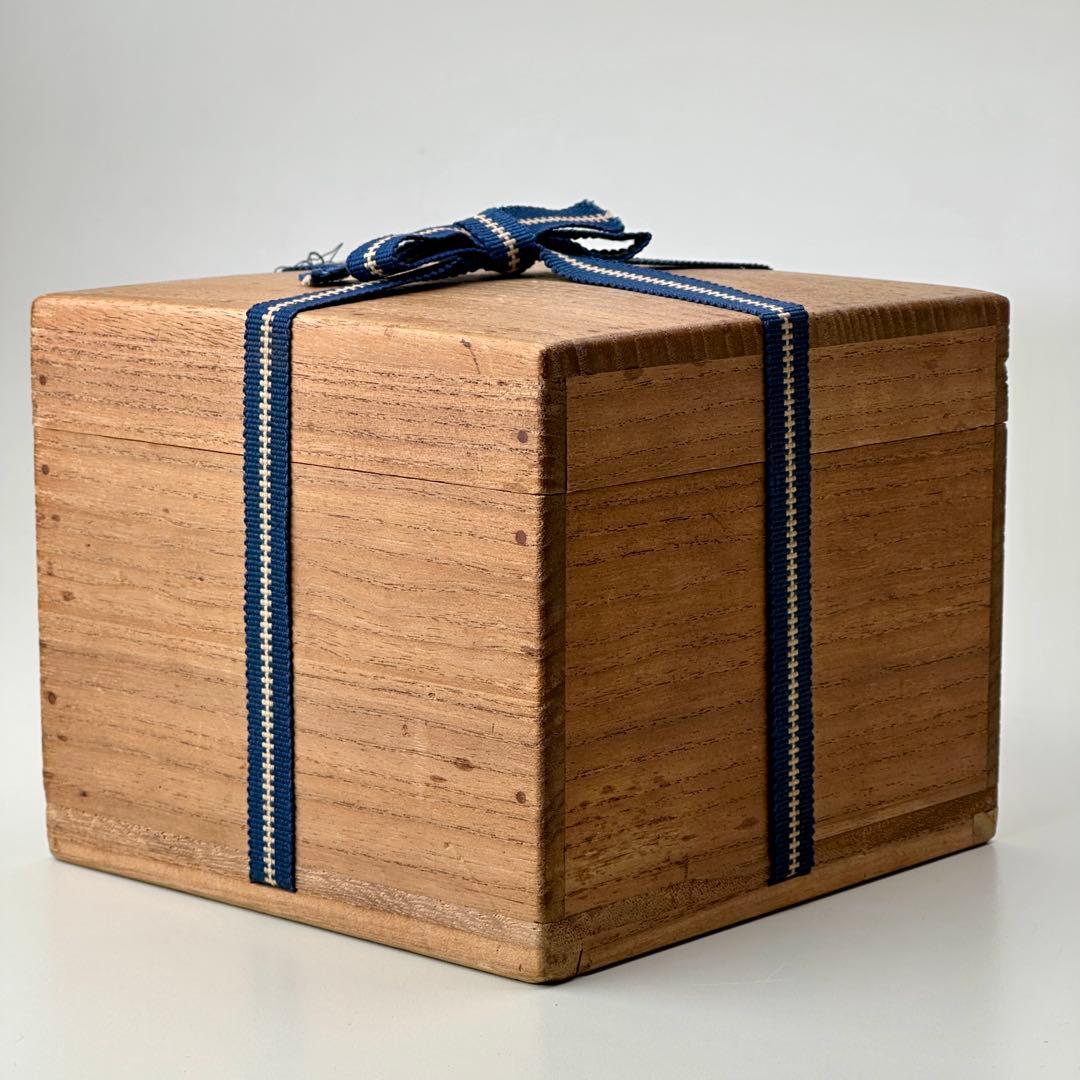
• Artist: Unknown Saga kiln potter (嵯峨焼) • Technique: Hand-built (tebineri) with amber-olive ash glaze • Era: Edo Period (1603-1868) • Origin: Saga, Kyoto, Japan • Dimensions: Diameter 12.5 cm (4.9") × Height 8 cm (3.1") • Weight: Approximately 365g • Box: Signed tomobako with inscription • Condition: Good for age, no major chips or cracks
━━━━━━━━━━━━━━━━━━━━
🔹 [ CULTURAL & ARTISTIC INSIGHT ]
Saga-yaki emerged in the scenic Arashiyama district of Kyoto during the early Edo period, named after the legendary Saga Emperor. This rare pottery tradition developed alongside the flourishing tea culture of Kyoto, producing vessels that embody the rustic aesthetics favored by tea masters.
The hand-built form displays deliberate irregularities—undulating rim, organic swelling walls, and spontaneous glaze pooling—that tea practitioners call "keshiki" (landscape). The amber-to-olive color transitions evoke autumn mountains shrouded in mist, while the thick glaze creates tactile surfaces that warm beautifully when cradling hot tea.
*"Like autumn leaves fallen on still water—time suspended in fired earth."*
━━━━━━━━━━━━━━━━━━━━
🔹 [ DEEP-DIVE COMMENTARY ]
**The Saga Tradition**: Saga-yaki represents one of Kyoto's lesser-known but historically significant ceramic traditions. Operating in the shadow of more famous Kyoto wares, Saga kilns produced distinctive tea ceramics that appealed to connoisseurs seeking alternatives to mainstream aesthetics.
**Technical Achievement**: The hand-building technique (tebineri) creates the organic, asymmetrical form prized in wabi-cha philosophy. The thick amber-olive glaze, achieved through wood-ash and iron combinations, pools and flows unpredictably during firing.
**Collector Significance**: Edo period tea bowls represent increasingly rare finds. The "Saga" seal on the foot confirms attribution, while the original tomobako provides provenance documentation spanning centuries.
**Authenticity Markers**: The ceramic body shows characteristic Kyoto clay, the glaze exhibits proper aging patterns, and the box construction matches Edo period joinery techniques.
🔹 [ SHIPPING & PACKAGING ] • Dispatch: Within 1-6 business days • Carrier: Japan Post EMS / UPS (with tracking) • Packaging: Carefully wrapped with protective materials