1
/
of
16
Edo Period Antique Maki-e Natsume Tea Caddy 1746 — Nashiji & Akikusa Autumn Grasses with Imaeda Family Tomobako
Edo Period Antique Maki-e Natsume Tea Caddy 1746 — Nashiji & Akikusa Autumn Grasses with Imaeda Family Tomobako
Regular price
Dhs. 9,726.00 AED
Regular price
Sale price
Dhs. 9,726.00 AED
Taxes included.
Shipping calculated at checkout.
Experience Authentic Japan Art with this Edo Period Maki-e Natsume. This Antique Tea Caddy serves as a Nashiji Lacquerware piece and Kaga Provenance Object, featuring Akikusa Autumn Grasses and Takamaki-e Gold Painting—a must-have for any Art Collector seeking Tomobako Documented Antiques.
🔹 [ BASIC DETAILS ]
• Period: Edo middle period — Enkyō 3, year of the tiger (1746)
• Object: Natsume (棗) — wooden tea caddy for usucha (thin matcha)
• Technique: Takamaki-e (raised gold-relief lacquer) on dense nashiji (pear-skin gold) ground; black urushi interior
• Motif: Akikusa (秋草) — autumn grasses including pine (matsu), camellia (tsubaki), and kikyō (Chinese bellflower)
• Origin: Kyoto-school maki-e workshop, mid-Edo period
• Provenance: Tomobako inscribed "延享三寅年 五月廿八日 今枝尚孚 送之" — dated May 28, 1746, signed by Imaeda Naotomo (今枝尚孚) of the Imaeda house, hereditary karō (senior retainers) of the Kaga Maeda clan; "送之" denotes a presentation gift
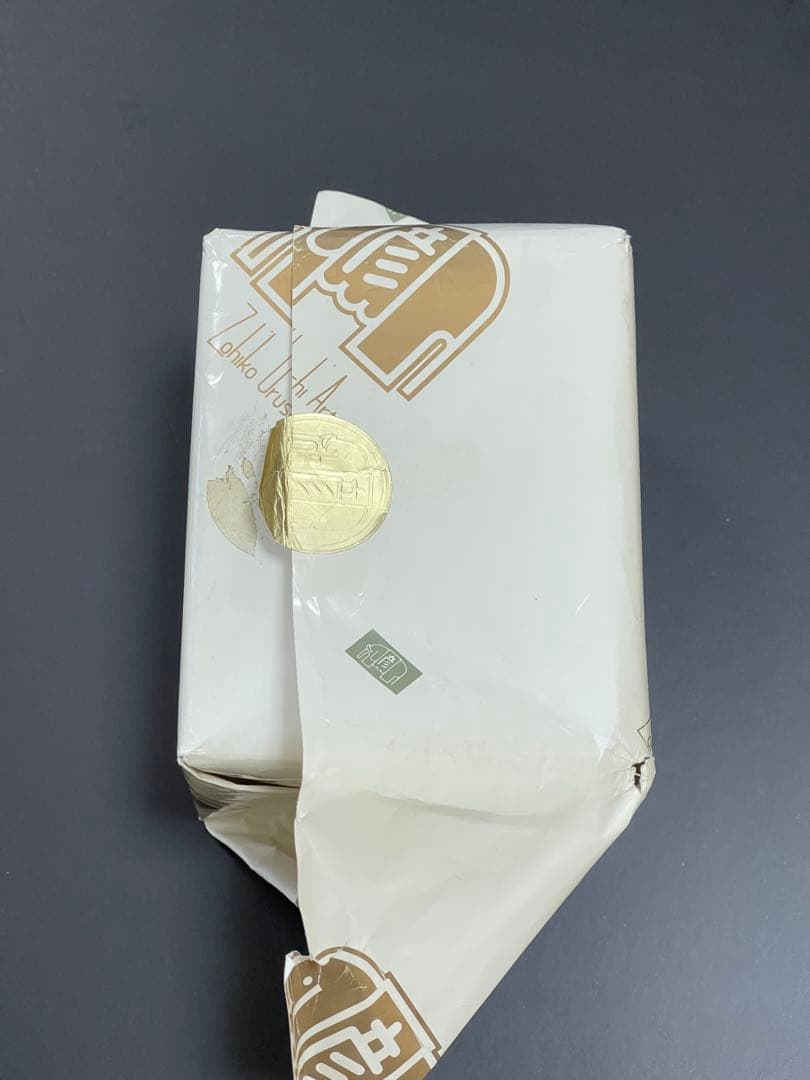
• Custodian: Preserved with original wrapping paper from Zōhiko (象彦), the celebrated Kyoto lacquer house founded in 1661
• Dimensions: Diameter approx. 6.8 cm × Height approx. 7 cm
• Box: Original wooden tomobako with period ink inscription, intact and legible
• Condition: Excellent for age — gold maki-e retains luminous depth, surface character consistent with ~280 years of careful keeping
🔹 [ CULTURAL & ARTISTIC INSIGHT ]
Historical Context — The Kaga Maeda clan, ruling the wealthiest non-Tokugawa domain of the Edo period, sustained one of Japan's most refined material cultures. The Imaeda family stood among their senior retainers (karō), positioned within the inner circles of patronage where lacquerware of this caliber circulated as ceremonial gift and aesthetic statement. The Enkyō era (1744–1748) saw Kyoto maki-e workshops at a peak of technical confidence, producing pieces in which gold dust and black urushi achieved a density of intention rarely matched before or since.
Technique & Aesthetic — The nashiji ground is built by suspending irregular gold flakes within layers of transparent urushi, then polishing back to reveal a shimmer that recalls the skin of an Asian pear. Over this depth, the maker has worked takamaki-e — raised relief in gold powder and lacquer — to render the autumn grasses with both botanical precision and calligraphic ease. The pine needles read as fine radial brush; the camellia petals carry quiet weight; the kikyō appear as small five-pointed stars among the leaves.
Philosophical Reflection — Autumn grass (akikusa) has carried, since the Manyōshū, the cultural weight of impermanence — mujō. That a vessel meant to hold the powdered green of the new tea season chose to wear the grasses of autumn is not contradiction but completion: each season holds the next within itself. Two hundred and eighty years on, the grasses remain in bloom on this lid.
🔹 [ DEEP-DIVE COMMENTARY ]
The Edo-period maki-e tradition reached its mature expression in the workshops of Kyoto, where techniques developed under the Kōami and Kōrin lineages were refined through generations of patronage from the Imperial court, the great temples, and the daimyō houses. The Kaga domain in particular cultivated its own atmosphere of connoisseurship, importing Kyoto craftsmen and commissioning works that married technical precision with restrained design.
Nashiji — literally "pear-ground" — traces its origins to the late Heian period, but its perfection as a luminous, controlled gold field belongs to the Edo lacquer masters. The flakes must be sized, scattered, and burnished with patience measured in months; the depth of the field comes not from quantity but from the rhythm of its sparseness. On this natsume, the nashiji breathes between the motifs rather than crowding them — the mark of an authoring hand.
The akikusa motif itself draws from a deep literary current. The Manyōshū named the seven autumn grasses; the Tale of Genji wove them into the emotional weather of its chapters; Edo-period painters and lacquer artists inherited them as a vocabulary of seasonal melancholy and quiet beauty. Pine, included here as evergreen counterweight, lengthens the season into permanence — the autumn grasses pass, the pine remains.
The Imaeda family's place within the Kaga Maeda retainer hierarchy gave them access to lacquer of presentation grade. A natsume given as a recorded gift, dated to a specific day in 1746 and signed by the giver, sits at the rare intersection where object, document, and family memory remain intact across nearly three centuries. Tomobako-documented Edo natsume of this quality appear on the international market only occasionally — most comparable examples reside in museum and family collections.
That this piece was preserved within Zōhiko wrapping paper extends the line of custodianship into the present. Zōhiko, founded in 1661 and still active in Kyoto, has served as a kind of memory house for Japanese lacquer for over three and a half centuries; their paper marks the natsume as having passed through hands that knew what they were holding.
[ JAPANESE DESCRIPTION / 日本語解説 ]
🔹 [ 基本情報 ]
• 時代: 江戸時代中期 — 延享三寅年(1746年)
• 種別: 棗(薄茶器)— 木胎漆塗
• 技法: 梨子地に高蒔絵(金粉・金平目)、内側 黒漆塗
• 意匠: 秋草 — 松、椿、桔梗
• 産地: 京蒔絵系工房(江戸中期)
• 由緒: 共箱に「延享三寅年 五月廿八日 今枝尚孚 送之」と墨書。今枝家は加賀藩前田家の家老を務めた重臣家。「送之」は進物の意
• 保管: 京都の老舗漆器店 象彦(1661年創業)の包装紙に納められて伝来
• 法量: 径約6.8cm × 高約7cm
• 箱: 共箱(江戸期墨書)健在
• 状態: 約280年を経て蒔絵の輝き健在、年代相応の風合い
🔹 [ 文化的・芸術的考察 ]
歴史的背景 — 加賀百万石・前田家は徳川以外の最大藩として、江戸期屈指の物質文化を育てた。今枝家はその家老格に位置し、贈答・献納の格式の中で本品のような蒔絵が往き来した。延享期(1744–1748)は京蒔絵が技巧の頂点に達した時期で、金粉と黒漆が前にも後にも稀な「intention の密度」を獲得していた。
技法と美学 — 梨子地は不定形の金粉を透明漆層に沈め、研ぎ出して梨の肌のような輝きを得る技法。その上に高蒔絵で秋草が描かれ、松葉は放射状の細線、椿の花弁は静かな量感、桔梗は葉の合間に小さな五弁星として配されている。
哲学的省察 — 秋草は万葉以来、無常の文化的重量を担ってきた。新茶の緑を納める器が秋草を纏うのは矛盾ではなく完結である — それぞれの季節は次の季節を内包している。280年を経て、この蓋の上で秋草はなお咲き続けている。
🔹 [ 深層解説 ]
江戸蒔絵の成熟は京の工房に結実した。幸阿弥派・光琳派の技を背景に、宮廷・大寺・大名家の庇護のもとで世代を重ねた職人たちが、技術の精度と意匠の節度を両立させた。加賀藩は特に蒔絵に独自の鑑識眼を培い、京の蒔絵師を招請して藩独自の格を作り上げた。
梨子地 — 文字通り「梨の地」— は平安後期に起源を持つが、その完成形としての均質で深みのある金の地は江戸蒔絵師の達成である。粉の選別・撒き・研ぎは月単位の時間を要し、地の深さは量ではなく散らしの呼吸から生まれる。本品の梨子地は文様を圧迫せず呼吸しており、作者の手が立ち上がっている。
秋草の意匠そのものが文学的水脈を引いている。万葉集が秋の七草を名指し、源氏物語がそれを章々の情緒に織り込み、江戸の絵師・蒔絵師たちはそれを季節的哀感と静謐の美の語彙として継承した。常磐の松を加えることで、秋草は流れ、松は留まる — そのバランスが本品に持続感を与えている。
今枝家が加賀前田家の家老格にあったことは、進物格の蒔絵への接点を意味する。1746年5月28日と日付まで明記され、贈り主の署名を伴う共箱付きの棗 — 物・文書・家の記憶が三世紀近くを越えて揃って残ることは、国際市場上きわめて稀である。同等水準の伝世品は博物館・旧家コレクションに収まることが多い。
本品が象彦の包装紙に納められていたことは、伝来の線をそのまま現在へと延ばしている。1661年創業、今なお京都に在る象彦は、日本漆器の記憶の家として三世紀半を生きてきた。その紙は、本品が「何を持っているか」を知る手を経てきたことの証である。
🔹 [ SHIPPING & PACKAGING ]
• Dispatch: Within 1-6 business days
• Carrier: Japan Post EMS / UPS (with tracking)
• Packaging: Carefully wrapped with protective materials
🔹 [ BASIC DETAILS ]
• Period: Edo middle period — Enkyō 3, year of the tiger (1746)
• Object: Natsume (棗) — wooden tea caddy for usucha (thin matcha)
• Technique: Takamaki-e (raised gold-relief lacquer) on dense nashiji (pear-skin gold) ground; black urushi interior
• Motif: Akikusa (秋草) — autumn grasses including pine (matsu), camellia (tsubaki), and kikyō (Chinese bellflower)
• Origin: Kyoto-school maki-e workshop, mid-Edo period
• Provenance: Tomobako inscribed "延享三寅年 五月廿八日 今枝尚孚 送之" — dated May 28, 1746, signed by Imaeda Naotomo (今枝尚孚) of the Imaeda house, hereditary karō (senior retainers) of the Kaga Maeda clan; "送之" denotes a presentation gift
• Custodian: Preserved with original wrapping paper from Zōhiko (象彦), the celebrated Kyoto lacquer house founded in 1661
• Dimensions: Diameter approx. 6.8 cm × Height approx. 7 cm
• Box: Original wooden tomobako with period ink inscription, intact and legible
• Condition: Excellent for age — gold maki-e retains luminous depth, surface character consistent with ~280 years of careful keeping
🔹 [ CULTURAL & ARTISTIC INSIGHT ]
Historical Context — The Kaga Maeda clan, ruling the wealthiest non-Tokugawa domain of the Edo period, sustained one of Japan's most refined material cultures. The Imaeda family stood among their senior retainers (karō), positioned within the inner circles of patronage where lacquerware of this caliber circulated as ceremonial gift and aesthetic statement. The Enkyō era (1744–1748) saw Kyoto maki-e workshops at a peak of technical confidence, producing pieces in which gold dust and black urushi achieved a density of intention rarely matched before or since.
Technique & Aesthetic — The nashiji ground is built by suspending irregular gold flakes within layers of transparent urushi, then polishing back to reveal a shimmer that recalls the skin of an Asian pear. Over this depth, the maker has worked takamaki-e — raised relief in gold powder and lacquer — to render the autumn grasses with both botanical precision and calligraphic ease. The pine needles read as fine radial brush; the camellia petals carry quiet weight; the kikyō appear as small five-pointed stars among the leaves.
Philosophical Reflection — Autumn grass (akikusa) has carried, since the Manyōshū, the cultural weight of impermanence — mujō. That a vessel meant to hold the powdered green of the new tea season chose to wear the grasses of autumn is not contradiction but completion: each season holds the next within itself. Two hundred and eighty years on, the grasses remain in bloom on this lid.
🔹 [ DEEP-DIVE COMMENTARY ]
The Edo-period maki-e tradition reached its mature expression in the workshops of Kyoto, where techniques developed under the Kōami and Kōrin lineages were refined through generations of patronage from the Imperial court, the great temples, and the daimyō houses. The Kaga domain in particular cultivated its own atmosphere of connoisseurship, importing Kyoto craftsmen and commissioning works that married technical precision with restrained design.
Nashiji — literally "pear-ground" — traces its origins to the late Heian period, but its perfection as a luminous, controlled gold field belongs to the Edo lacquer masters. The flakes must be sized, scattered, and burnished with patience measured in months; the depth of the field comes not from quantity but from the rhythm of its sparseness. On this natsume, the nashiji breathes between the motifs rather than crowding them — the mark of an authoring hand.
The akikusa motif itself draws from a deep literary current. The Manyōshū named the seven autumn grasses; the Tale of Genji wove them into the emotional weather of its chapters; Edo-period painters and lacquer artists inherited them as a vocabulary of seasonal melancholy and quiet beauty. Pine, included here as evergreen counterweight, lengthens the season into permanence — the autumn grasses pass, the pine remains.
The Imaeda family's place within the Kaga Maeda retainer hierarchy gave them access to lacquer of presentation grade. A natsume given as a recorded gift, dated to a specific day in 1746 and signed by the giver, sits at the rare intersection where object, document, and family memory remain intact across nearly three centuries. Tomobako-documented Edo natsume of this quality appear on the international market only occasionally — most comparable examples reside in museum and family collections.
That this piece was preserved within Zōhiko wrapping paper extends the line of custodianship into the present. Zōhiko, founded in 1661 and still active in Kyoto, has served as a kind of memory house for Japanese lacquer for over three and a half centuries; their paper marks the natsume as having passed through hands that knew what they were holding.
[ JAPANESE DESCRIPTION / 日本語解説 ]
🔹 [ 基本情報 ]
• 時代: 江戸時代中期 — 延享三寅年(1746年)
• 種別: 棗(薄茶器)— 木胎漆塗
• 技法: 梨子地に高蒔絵(金粉・金平目)、内側 黒漆塗
• 意匠: 秋草 — 松、椿、桔梗
• 産地: 京蒔絵系工房(江戸中期)
• 由緒: 共箱に「延享三寅年 五月廿八日 今枝尚孚 送之」と墨書。今枝家は加賀藩前田家の家老を務めた重臣家。「送之」は進物の意
• 保管: 京都の老舗漆器店 象彦(1661年創業)の包装紙に納められて伝来
• 法量: 径約6.8cm × 高約7cm
• 箱: 共箱(江戸期墨書)健在
• 状態: 約280年を経て蒔絵の輝き健在、年代相応の風合い
🔹 [ 文化的・芸術的考察 ]
歴史的背景 — 加賀百万石・前田家は徳川以外の最大藩として、江戸期屈指の物質文化を育てた。今枝家はその家老格に位置し、贈答・献納の格式の中で本品のような蒔絵が往き来した。延享期(1744–1748)は京蒔絵が技巧の頂点に達した時期で、金粉と黒漆が前にも後にも稀な「intention の密度」を獲得していた。
技法と美学 — 梨子地は不定形の金粉を透明漆層に沈め、研ぎ出して梨の肌のような輝きを得る技法。その上に高蒔絵で秋草が描かれ、松葉は放射状の細線、椿の花弁は静かな量感、桔梗は葉の合間に小さな五弁星として配されている。
哲学的省察 — 秋草は万葉以来、無常の文化的重量を担ってきた。新茶の緑を納める器が秋草を纏うのは矛盾ではなく完結である — それぞれの季節は次の季節を内包している。280年を経て、この蓋の上で秋草はなお咲き続けている。
🔹 [ 深層解説 ]
江戸蒔絵の成熟は京の工房に結実した。幸阿弥派・光琳派の技を背景に、宮廷・大寺・大名家の庇護のもとで世代を重ねた職人たちが、技術の精度と意匠の節度を両立させた。加賀藩は特に蒔絵に独自の鑑識眼を培い、京の蒔絵師を招請して藩独自の格を作り上げた。
梨子地 — 文字通り「梨の地」— は平安後期に起源を持つが、その完成形としての均質で深みのある金の地は江戸蒔絵師の達成である。粉の選別・撒き・研ぎは月単位の時間を要し、地の深さは量ではなく散らしの呼吸から生まれる。本品の梨子地は文様を圧迫せず呼吸しており、作者の手が立ち上がっている。
秋草の意匠そのものが文学的水脈を引いている。万葉集が秋の七草を名指し、源氏物語がそれを章々の情緒に織り込み、江戸の絵師・蒔絵師たちはそれを季節的哀感と静謐の美の語彙として継承した。常磐の松を加えることで、秋草は流れ、松は留まる — そのバランスが本品に持続感を与えている。
今枝家が加賀前田家の家老格にあったことは、進物格の蒔絵への接点を意味する。1746年5月28日と日付まで明記され、贈り主の署名を伴う共箱付きの棗 — 物・文書・家の記憶が三世紀近くを越えて揃って残ることは、国際市場上きわめて稀である。同等水準の伝世品は博物館・旧家コレクションに収まることが多い。
本品が象彦の包装紙に納められていたことは、伝来の線をそのまま現在へと延ばしている。1661年創業、今なお京都に在る象彦は、日本漆器の記憶の家として三世紀半を生きてきた。その紙は、本品が「何を持っているか」を知る手を経てきたことの証である。
🔹 [ SHIPPING & PACKAGING ]
• Dispatch: Within 1-6 business days
• Carrier: Japan Post EMS / UPS (with tracking)
• Packaging: Carefully wrapped with protective materials
Quantity
Couldn't load pickup availability
Out of stock
View full details