1
/
of
15
E-Oribe Painted Guinomi by Sadoyama Yasumasa - Mino Figurative Sake Cup with Box
E-Oribe Painted Guinomi by Sadoyama Yasumasa - Mino Figurative Sake Cup with Box
Regular price
Dhs. 800.00 AED
Regular price
Sale price
Dhs. 800.00 AED
Taxes included.
Shipping calculated at checkout.
Experience authentic Japanese ceramics with this E-Oribe Painted Guinomi by Sadoyama Yasumasa. This Mino Ware Sake Cup serves as a Traditional Oribe Ceramic Art and Iron-Painted Stoneware, featuring Figurative Scene Brushwork and Plum Blossom Landscape—a must-have for any Art Collector seeking Toki City Heritage and Momoyama Aesthetic Revival.
━━━━━━━━━━━━━━━━━━━━
🔹 [ BASIC DETAILS ]
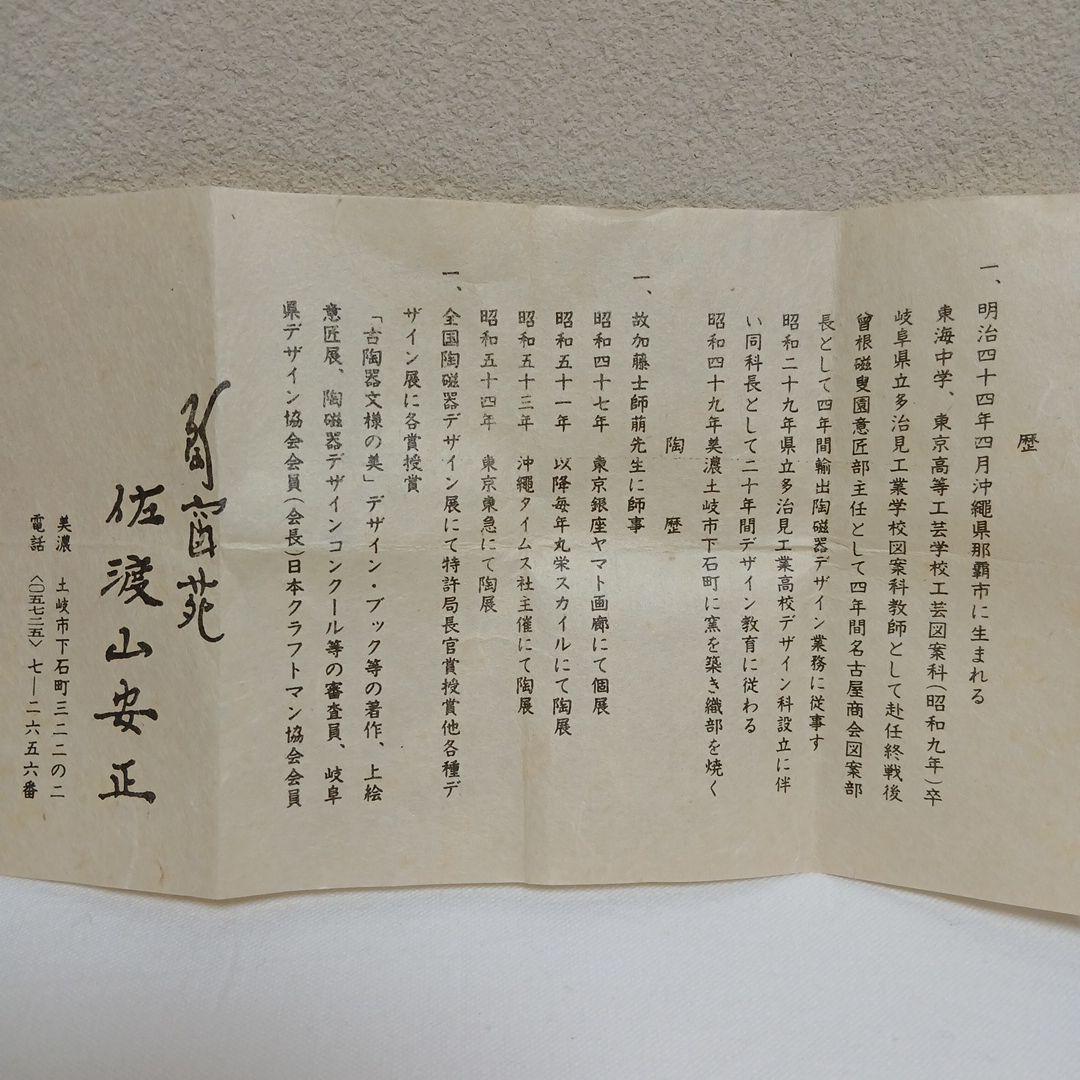
• Artist: Sadoyama Yasumasa (佐渡山安正) — Toso-en Kiln (陶窗苑)
• Technique: E-Oribe (絵織部) — iron-painted decoration on white Shino-type glaze
• Era: Contemporary (Heisei period)
• Origin: Toki City, Gifu Prefecture, Japan (Mino region)
• Dimensions: Width approx. 5.5 cm, Height approx. 5 cm
• Box: Signed paulownia wood box with red seal (共箱)
• Accessories: Yellow cloth wrapper, kiln business card
• Condition: Excellent — no chips, cracks, or repairs
━━━━━━━━━━━━━━━━━━━━
🔹 [ CULTURAL & ARTISTIC INSIGHT ]
E-Oribe — painted Oribe — emerged from the creative revolution that Furuta Oribe ignited in Momoyama-period ceramics. Where traditional tea wares favored restraint, Oribe embraced distortion, asymmetry, and narrative painting. The "E" (絵) prefix designates wares where iron-brown painting on white glaze becomes the primary decorative language, transforming each vessel into a miniature canvas.
Sadoyama Yasumasa works from Toso-en kiln in Toki City, the heartland of Mino ceramics. His E-Oribe cups feature the signature faceted form — the clay body deliberately shaped into flat planes that create surfaces for painting. Each face of this guinomi carries a different scene: a historical figure in motion, plum blossoms on branches, and flowing water lines — a complete pictorial world wrapped around a vessel small enough to hold in one hand.
*"Every flat face of the cup becomes a window — turn it, and the story changes."*
━━━━━━━━━━━━━━━━━━━━
🔹 [ DEEP-DIVE COMMENTARY ]
**The Oribe Revolution**: Furuta Oribe (1544–1615) transformed Japanese ceramics by rejecting the principle that beauty requires symmetry. His aesthetic — bold, asymmetric, sometimes humorous — gave potters permission to play. E-Oribe specifically channels this freedom through iron-painting, where the brush carries the same spontaneous energy as ink painting but fires permanently into the ceramic surface.
**Faceted Form**: The multi-faceted cylindrical shape of this guinomi is quintessentially Oribe. The deliberate pressing of the clay body into flat planes serves both aesthetic and functional purposes — each face becomes a painting surface, and the angular form fits the hand differently depending on how it's held. The irregular rim crowns this intentional asymmetry.
**Figurative Painting**: The iron-brown figures on this cup show considerable skill in ceramic painting. Unlike painting on paper, iron pigment on unfired glaze is unforgiving — there is no erasing, no layering, no correcting. The figures display both anatomical understanding and painterly confidence, suggesting Sadoyama's fluency in traditional Japanese painting techniques adapted to ceramic surface.
**Mino Region Context**: Toki City sits within the historic Mino ceramic region that produced Shino, Oribe, Ki-Seto, and Setoguro wares during the Momoyama period. Contemporary Mino potters inherit this extraordinary legacy and continue to push its boundaries. Sadoyama's work at Toso-en kiln represents this living tradition.
━━━━━━━━━━━━━━━━━━━━
🔹 [ 日本語解説 ]
【基本情報】
• 作家:佐渡山安正(陶窗苑)
• 技法:絵織部(鉄絵)
• 時代:現代(平成)
• 産地:岐阜県土岐市(美濃)
• 寸法:幅約5.5cm、高さ約5cm
• 付属:共箱・共布・名刺
• 状態:良好
【解説】
美濃・陶窗苑の佐渡山安正による絵織部ぐい呑。面取りした筒形に、鉄絵で人物・梅枝・流水を各面に描く。織部特有の不定形な口縁と面取りのリズムが、手の中で変化する表情を生む。桃山時代の奔放な精神を現代に継承する、見どころの多い作品。
━━━━━━━━━━━━━━━━━━━━
🔹 [ SHIPPING & PACKAGING ]
• Dispatch: Within 1-6 business days
• Carrier: Japan Post EMS / UPS (with tracking)
• Packaging: Carefully wrapped with protective materials
*Each face tells a different story — turn the cup, and the Momoyama spirit shifts in your hand.*
━━━━━━━━━━━━━━━━━━━━
🔹 [ BASIC DETAILS ]
• Artist: Sadoyama Yasumasa (佐渡山安正) — Toso-en Kiln (陶窗苑)
• Technique: E-Oribe (絵織部) — iron-painted decoration on white Shino-type glaze
• Era: Contemporary (Heisei period)
• Origin: Toki City, Gifu Prefecture, Japan (Mino region)
• Dimensions: Width approx. 5.5 cm, Height approx. 5 cm
• Box: Signed paulownia wood box with red seal (共箱)
• Accessories: Yellow cloth wrapper, kiln business card
• Condition: Excellent — no chips, cracks, or repairs
━━━━━━━━━━━━━━━━━━━━
🔹 [ CULTURAL & ARTISTIC INSIGHT ]
E-Oribe — painted Oribe — emerged from the creative revolution that Furuta Oribe ignited in Momoyama-period ceramics. Where traditional tea wares favored restraint, Oribe embraced distortion, asymmetry, and narrative painting. The "E" (絵) prefix designates wares where iron-brown painting on white glaze becomes the primary decorative language, transforming each vessel into a miniature canvas.
Sadoyama Yasumasa works from Toso-en kiln in Toki City, the heartland of Mino ceramics. His E-Oribe cups feature the signature faceted form — the clay body deliberately shaped into flat planes that create surfaces for painting. Each face of this guinomi carries a different scene: a historical figure in motion, plum blossoms on branches, and flowing water lines — a complete pictorial world wrapped around a vessel small enough to hold in one hand.
*"Every flat face of the cup becomes a window — turn it, and the story changes."*
━━━━━━━━━━━━━━━━━━━━
🔹 [ DEEP-DIVE COMMENTARY ]
**The Oribe Revolution**: Furuta Oribe (1544–1615) transformed Japanese ceramics by rejecting the principle that beauty requires symmetry. His aesthetic — bold, asymmetric, sometimes humorous — gave potters permission to play. E-Oribe specifically channels this freedom through iron-painting, where the brush carries the same spontaneous energy as ink painting but fires permanently into the ceramic surface.
**Faceted Form**: The multi-faceted cylindrical shape of this guinomi is quintessentially Oribe. The deliberate pressing of the clay body into flat planes serves both aesthetic and functional purposes — each face becomes a painting surface, and the angular form fits the hand differently depending on how it's held. The irregular rim crowns this intentional asymmetry.
**Figurative Painting**: The iron-brown figures on this cup show considerable skill in ceramic painting. Unlike painting on paper, iron pigment on unfired glaze is unforgiving — there is no erasing, no layering, no correcting. The figures display both anatomical understanding and painterly confidence, suggesting Sadoyama's fluency in traditional Japanese painting techniques adapted to ceramic surface.
**Mino Region Context**: Toki City sits within the historic Mino ceramic region that produced Shino, Oribe, Ki-Seto, and Setoguro wares during the Momoyama period. Contemporary Mino potters inherit this extraordinary legacy and continue to push its boundaries. Sadoyama's work at Toso-en kiln represents this living tradition.
━━━━━━━━━━━━━━━━━━━━
🔹 [ 日本語解説 ]
【基本情報】
• 作家:佐渡山安正(陶窗苑)
• 技法:絵織部(鉄絵)
• 時代:現代(平成)
• 産地:岐阜県土岐市(美濃)
• 寸法:幅約5.5cm、高さ約5cm
• 付属:共箱・共布・名刺
• 状態:良好
【解説】
美濃・陶窗苑の佐渡山安正による絵織部ぐい呑。面取りした筒形に、鉄絵で人物・梅枝・流水を各面に描く。織部特有の不定形な口縁と面取りのリズムが、手の中で変化する表情を生む。桃山時代の奔放な精神を現代に継承する、見どころの多い作品。
━━━━━━━━━━━━━━━━━━━━
🔹 [ SHIPPING & PACKAGING ]
• Dispatch: Within 1-6 business days
• Carrier: Japan Post EMS / UPS (with tracking)
• Packaging: Carefully wrapped with protective materials
*Each face tells a different story — turn the cup, and the Momoyama spirit shifts in your hand.*
Quantity
Couldn't load pickup availability
Low stock: 1 left
View full details