1
/
of
10
E-Karatsu Kawakujira Guinomi - 14th Nakazato Tarouemon Sake Cup
E-Karatsu Kawakujira Guinomi - 14th Nakazato Tarouemon Sake Cup
Regular price
Dhs. 2,930.00 AED
Regular price
Sale price
Dhs. 2,930.00 AED
Taxes included.
Shipping calculated at checkout.
Experience authentic Japanese ceramics with this E-Karatsu Kawakujira Guinomi. This Karatsu Ware sake cup serves as a Tea Ceremony Art piece and Kawakujira Glaze work, featuring Iron Oxide Rim and Kawakujira Style—a must-have for any collector seeking Japanese Sake Cups and Wabi Sabi Pottery from the Living Treasure Line.
━━━━━━━━━━━━━━━━━━━━
🔹 [ BASIC DETAILS ]
• Artist: 14th Generation Nakazato Tarouemon (十四代中里太郎右衛門)
• Technique: E-Karatsu (painted Karatsu) with kawakujira (kawakujira) rim
• Era: Contemporary (Heisei–Reiwa period)
• Origin: Karatsu, Saga Prefecture, Japan
• Dimensions: Diameter approx. 7.5 cm × Height approx. 4.0 cm (3.0" × 1.6")
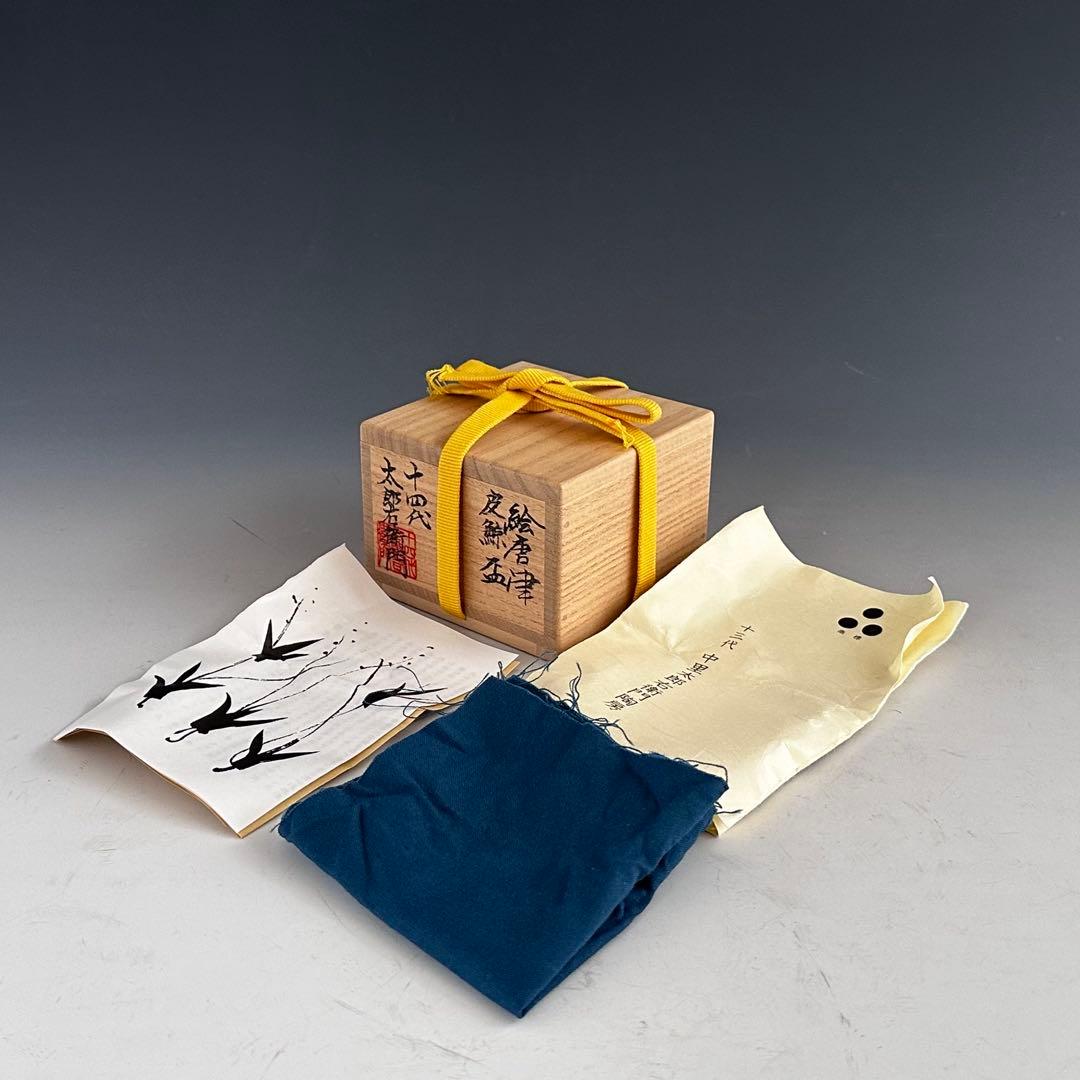
• Box: Tomobako (artist-signed wooden box)
• Condition: Near mint – no chips, cracks, or repairs
• Lineage: 12th Generation (Nakazato Muan) was Living National Treasure
━━━━━━━━━━━━━━━━━━━━
🔹 [ CULTURAL & ARTISTIC INSIGHT ]
A kawakujira guinomi carrying the full cultural weight of the Nakazato lineage—the most storied family in Karatsu ceramic history. The 14th generation Nakazato Tarouemon shaped this cup in the E-Karatsu tradition: warm sandy clay drawn into a clean conical form, its surface bearing subtle iron brush strokes that speak of quiet authorship.
The defining gesture is the kuchiben—a dark iron-oxide lip that transitions into the lighter clay body below, creating the kawakujira effect that gives this style its name. It is a technique of restraint, where a single rim announces centuries of accumulated knowledge.
*"What endures is not the object—but the intention it carries forward."*
━━━━━━━━━━━━━━━━━━━━
🔹 [ DEEP-DIVE COMMENTARY ]
**The Nakazato Dynasty**: The Nakazato family has shaped Karatsu ceramics for fourteen generations. The 12th generation, Nakazato Muan (中里無庵), received designation as a Living National Treasure, elevating the entire lineage to the highest echelon of Japanese ceramic arts.
**E-Karatsu Technique**: Painted Karatsu (E-Karatsu) involves applying iron-oxide brush decoration to the raw clay body before glazing. The spontaneous, calligraphic quality of these marks reflects the wabi-sabi aesthetic central to Karatsu ware.
**Kawakujira Explained**: The term kawakujira (皮鯨) translates to "kawakujira," describing the dramatic contrast between the dark iron-oxide rim and the lighter clay body—evoking the tonal shift visible on a sea creature's hide.
**Collector Significance**: Works by numbered-generation Nakazato potters carry exceptional significance in Japanese ceramic collecting. The 14th generation represents the living continuity of this unbroken tradition.
━━━━━━━━━━━━━━━━━━━━
🔹 [ 日本語解説 ]
【基本情報】
• 作家:十四代中里太郎右衛門
• 技法:絵唐津・皮鯨
• 時代:現代(平成〜令和)
• 産地:佐賀県唐津
• 寸法:口径約7.5cm × 高さ約4.0cm
• 付属:共箱
• 状態:極美品
• 系譜:十二代中里無庵(人間国宝)
【解説】
中里家は唐津焼の最も名高い窯元で、十二代中里無庵が人間国宝に認定されています。十四代はその伝統を受け継ぎ、唐津焼の真髄を守り続けています。
本作は絵唐津の皮鯨手で、口縁の鉄釉が濃い褐色から明るい土肌へと自然に移り変わる景色が見事です。唐津の土の温かみと鉄絵の力強さが見事に調和した逸品です。
━━━━━━━━━━━━━━━━━━━━
🔹 [ SHIPPING & PACKAGING ]
• Dispatch: Within 1-6 business days
• Carrier: Japan Post EMS / UPS (with tracking)
• Packaging: Carefully wrapped with protective materials
*What endures is not the object—but the intention it carries forward.*
━━━━━━━━━━━━━━━━━━━━
🔹 [ BASIC DETAILS ]
• Artist: 14th Generation Nakazato Tarouemon (十四代中里太郎右衛門)
• Technique: E-Karatsu (painted Karatsu) with kawakujira (kawakujira) rim
• Era: Contemporary (Heisei–Reiwa period)
• Origin: Karatsu, Saga Prefecture, Japan
• Dimensions: Diameter approx. 7.5 cm × Height approx. 4.0 cm (3.0" × 1.6")
• Box: Tomobako (artist-signed wooden box)
• Condition: Near mint – no chips, cracks, or repairs
• Lineage: 12th Generation (Nakazato Muan) was Living National Treasure
━━━━━━━━━━━━━━━━━━━━
🔹 [ CULTURAL & ARTISTIC INSIGHT ]
A kawakujira guinomi carrying the full cultural weight of the Nakazato lineage—the most storied family in Karatsu ceramic history. The 14th generation Nakazato Tarouemon shaped this cup in the E-Karatsu tradition: warm sandy clay drawn into a clean conical form, its surface bearing subtle iron brush strokes that speak of quiet authorship.
The defining gesture is the kuchiben—a dark iron-oxide lip that transitions into the lighter clay body below, creating the kawakujira effect that gives this style its name. It is a technique of restraint, where a single rim announces centuries of accumulated knowledge.
*"What endures is not the object—but the intention it carries forward."*
━━━━━━━━━━━━━━━━━━━━
🔹 [ DEEP-DIVE COMMENTARY ]
**The Nakazato Dynasty**: The Nakazato family has shaped Karatsu ceramics for fourteen generations. The 12th generation, Nakazato Muan (中里無庵), received designation as a Living National Treasure, elevating the entire lineage to the highest echelon of Japanese ceramic arts.
**E-Karatsu Technique**: Painted Karatsu (E-Karatsu) involves applying iron-oxide brush decoration to the raw clay body before glazing. The spontaneous, calligraphic quality of these marks reflects the wabi-sabi aesthetic central to Karatsu ware.
**Kawakujira Explained**: The term kawakujira (皮鯨) translates to "kawakujira," describing the dramatic contrast between the dark iron-oxide rim and the lighter clay body—evoking the tonal shift visible on a sea creature's hide.
**Collector Significance**: Works by numbered-generation Nakazato potters carry exceptional significance in Japanese ceramic collecting. The 14th generation represents the living continuity of this unbroken tradition.
━━━━━━━━━━━━━━━━━━━━
🔹 [ 日本語解説 ]
【基本情報】
• 作家:十四代中里太郎右衛門
• 技法:絵唐津・皮鯨
• 時代:現代(平成〜令和)
• 産地:佐賀県唐津
• 寸法:口径約7.5cm × 高さ約4.0cm
• 付属:共箱
• 状態:極美品
• 系譜:十二代中里無庵(人間国宝)
【解説】
中里家は唐津焼の最も名高い窯元で、十二代中里無庵が人間国宝に認定されています。十四代はその伝統を受け継ぎ、唐津焼の真髄を守り続けています。
本作は絵唐津の皮鯨手で、口縁の鉄釉が濃い褐色から明るい土肌へと自然に移り変わる景色が見事です。唐津の土の温かみと鉄絵の力強さが見事に調和した逸品です。
━━━━━━━━━━━━━━━━━━━━
🔹 [ SHIPPING & PACKAGING ]
• Dispatch: Within 1-6 business days
• Carrier: Japan Post EMS / UPS (with tracking)
• Packaging: Carefully wrapped with protective materials
*What endures is not the object—but the intention it carries forward.*
Quantity
Couldn't load pickup availability
Low stock: 1 left
View full details