1
/
of
9
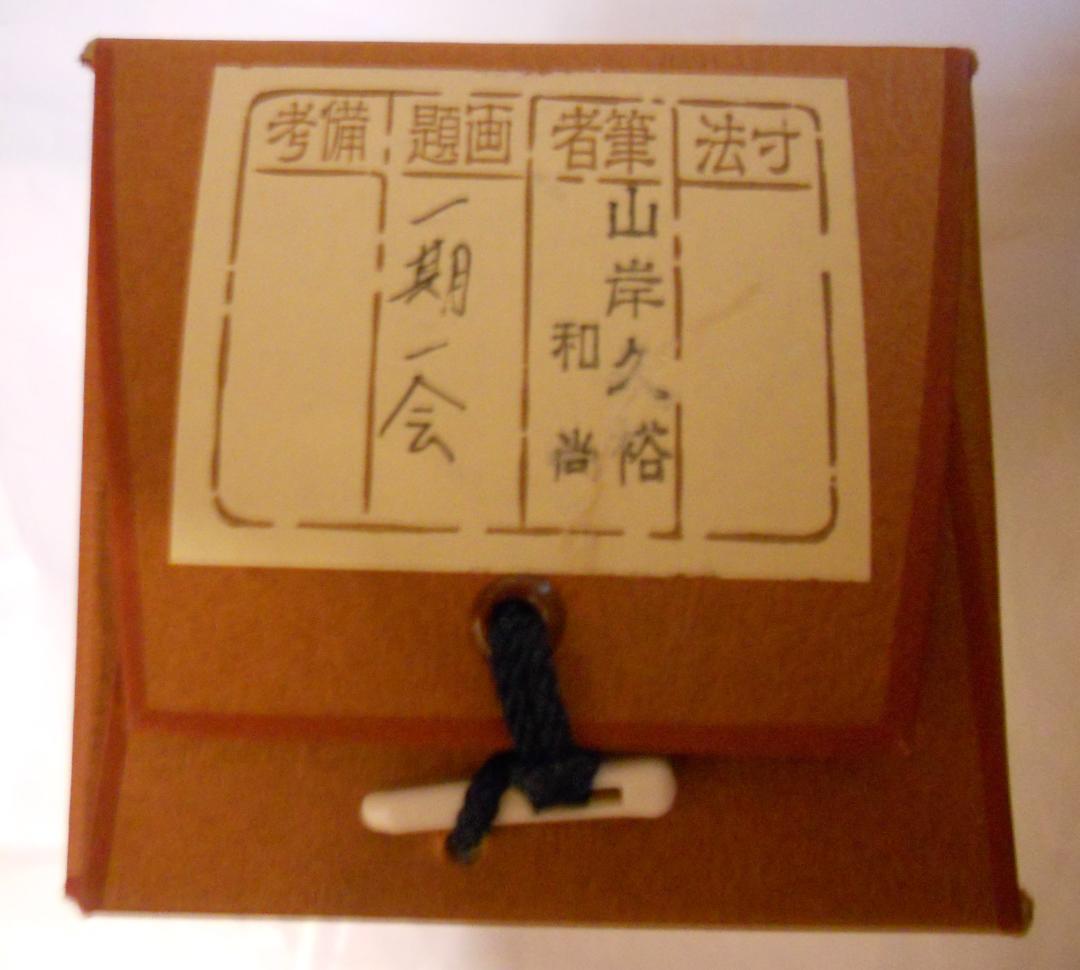
Daitokuji Zen Calligraphy Ichigo Ichie by Yamagishi Kyuyu, Tea Scroll
Daitokuji Zen Calligraphy Ichigo Ichie by Yamagishi Kyuyu, Tea Scroll
Regular price
Dhs. 2,203.00 AED
Regular price
Sale price
Dhs. 2,203.00 AED
Taxes included.
Shipping calculated at checkout.
Experience Authentic Japan Art with this Zen Calligraphy Scroll. This Ichigo Ichie Art features Daitokuji Temple brushwork in Semi-Cursive Script on Shihon Paper by Yamagishi Kyuyu of Sokenin Temple. A distinguished Tea Ceremony Scroll and Kakejiku Hanging with Tokonoma Display presence—a must-have Zen Buddhist Art and Chanoyu Calligraphy for any collector seeking Japanese Ink Art.
━━━━━━━━━━━━━━━━━━━━
🔹 [ Basic Details ]
• Artist: Yamagishi Kyuyu (山岸久祐) — tea name Sosei (宗聖)
• Temple: Sokenin (総見院), a sub-temple of Daitokuji, Kyoto
• Calligraphy: 一期一会 (Ichigo Ichie) — "One Lifetime, One Meeting"
• Script: Semi-cursive (gyosho) with dynamic brush energy
• Medium: Ink on paper (shihon)
• Mounting: Traditional cream/gold silk brocade
• Dimensions: Image area approx. 280 × 991 mm (11 × 39 in)
• Seals: Two red rakkan (artist seals)
• Condition: Excellent — no foxing, tears, or losses
• Origin: Kyoto, Japan
• Era: Contemporary
━━━━━━━━━━━━━━━━━━━━
🔹 [ Cultural & Artistic Insight ]
This scroll carries the most revered phrase in Japanese tea ceremony: Ichigo Ichie — "One Lifetime, One Meeting." It is a call to cherish each encounter as if it will never recur, to be fully present in the fleeting moment. The phrase originates from the teachings of tea master Ii Naosuke (19th century), but its roots reach back to the Zen philosophy that shaped Sen no Rikyu's practice.
Yamagishi Kyuyu is the head priest of Sokenin, a sub-temple within Daitokuji, the spiritual home of the tea ceremony. Daitokuji was revered by Ikkyu Sojun, the eccentric Zen master who mentored Murata Juko (the founder of wabi-cha), and later became the temple of choice for Sen no Rikyu himself. To own calligraphy from a Daitokuji priest is to hold a direct lineage to the origins of chanoyu.
The brushwork is confident and expressive — each stroke carries ki (vital energy), yet maintains the restrained elegance expected of Zen aesthetics. The two red seals anchor the composition, grounding the ephemeral ink with the authority of authorship.
"One meeting, one lifetime — the scroll does not explain this. It simply declares it."
━━━━━━━━━━━━━━━━━━━━
🔹 [ Deep-Dive Commentary ]
**Why Daitokuji Calligraphy Matters**: Daitokuji is not just a temple — it is the institution that preserved and transmitted the spiritual core of the tea ceremony. Priests of Daitokuji sub-temples have written calligraphy for tea masters for over 500 years. To hang a Daitokuji scroll in your tea room is to participate in that lineage. Yamagishi Kyuyu, as head priest of Sokenin, is a living continuation of that tradition. His tea name Sosei (宗聖) speaks to this responsibility.
**The Phrase: Ichigo Ichie in Context**: While Ichigo Ichie is now widely known, its use in tea ceremony is specific: it refers to the host's duty to prepare each gathering as if it were the last time they would ever meet that guest. Every detail — the flower, the scroll, the placement of the utensils — must reflect this unrepeatable moment. The phrase is not sentimental; it is a discipline. This scroll, when hung in a tokonoma, becomes a silent instruction to both host and guest.
**Semi-Cursive Script and Zen Calligraphy**: The script here is gyosho (semi-cursive), a style that balances legibility with expressive freedom. It is the preferred script for Zen calligraphy because it allows the brush to move with the breath, revealing the artist's state of mind. Notice the variation in ink density — the dry-brush passages (kasure) in the final strokes suggest impermanence, while the bold opening strokes anchor the phrase in presence. This is not decorative calligraphy; it is a record of a meditative act.
**Mounting and Display**: The simple cream mounting is intentional — Zen scrolls avoid ornate brocades that compete with the calligraphy. The understated palette allows the ink to command attention. This scroll is designed for a tea room tokonoma, where it would be the sole focal point during a gathering. It could also be displayed in a study, entryway, or meditation space.
━━━━━━━━━━━━━━━━━━━━
[ JAPANESE DESCRIPTION / 日本語解説 ]
🔹 [ 基本情報 ]
• 作家:山岸久祐(宗聖)— 大徳寺塔頭・総見院住職
• 書:一期一会
• 技法:紙本墨書(行書体)
• 本紙寸法:280 × 991 mm
• 表装:淡色絹地
• 落款:朱印2顆
• 状態:美品
🔹 [ 解説 ]
大徳寺塔頭・総見院の山岸久祐(宗聖)住職による「一期一会」の書。茶道における最も重要な禅語を、力強い行書体で表現した掛け軸です。
一期一会とは、茶人・井伊直弼が説いた「この茶会は一生に一度限りの出会いである」という精神。その瞬間を大切にし、悔いのないよう心を尽くすという茶道の核心を示す言葉です。利休以来、大徳寺は茶の湯の精神的支柱であり続けてきました。その法灯を継ぐ住職の墨蹟は、茶室の床の間に掛けるべき本格的な禅語です。
行書体は読みやすさと表現の自由を兼ね備えた書体で、禅の書において好まれます。墨の濃淡の変化、特に最後の画におけるかすれ(枯れ筆)は無常を暗示し、冒頭の力強い筆致は「今ここにある」存在感を示しています。
━━━━━━━━━━━━━━━━━━━━
🔹 [ SHIPPING & PACKAGING ]
• Dispatch: Within 1-6 business days
• Carrier: Japan Post EMS / UPS (with tracking)
• Packaging: Carefully wrapped with protective materials
━━━━━━━━━━━━━━━━━━━━
🔹 [ Basic Details ]
• Artist: Yamagishi Kyuyu (山岸久祐) — tea name Sosei (宗聖)
• Temple: Sokenin (総見院), a sub-temple of Daitokuji, Kyoto
• Calligraphy: 一期一会 (Ichigo Ichie) — "One Lifetime, One Meeting"
• Script: Semi-cursive (gyosho) with dynamic brush energy
• Medium: Ink on paper (shihon)
• Mounting: Traditional cream/gold silk brocade
• Dimensions: Image area approx. 280 × 991 mm (11 × 39 in)
• Seals: Two red rakkan (artist seals)
• Condition: Excellent — no foxing, tears, or losses
• Origin: Kyoto, Japan
• Era: Contemporary
━━━━━━━━━━━━━━━━━━━━
🔹 [ Cultural & Artistic Insight ]
This scroll carries the most revered phrase in Japanese tea ceremony: Ichigo Ichie — "One Lifetime, One Meeting." It is a call to cherish each encounter as if it will never recur, to be fully present in the fleeting moment. The phrase originates from the teachings of tea master Ii Naosuke (19th century), but its roots reach back to the Zen philosophy that shaped Sen no Rikyu's practice.
Yamagishi Kyuyu is the head priest of Sokenin, a sub-temple within Daitokuji, the spiritual home of the tea ceremony. Daitokuji was revered by Ikkyu Sojun, the eccentric Zen master who mentored Murata Juko (the founder of wabi-cha), and later became the temple of choice for Sen no Rikyu himself. To own calligraphy from a Daitokuji priest is to hold a direct lineage to the origins of chanoyu.
The brushwork is confident and expressive — each stroke carries ki (vital energy), yet maintains the restrained elegance expected of Zen aesthetics. The two red seals anchor the composition, grounding the ephemeral ink with the authority of authorship.
"One meeting, one lifetime — the scroll does not explain this. It simply declares it."
━━━━━━━━━━━━━━━━━━━━
🔹 [ Deep-Dive Commentary ]
**Why Daitokuji Calligraphy Matters**: Daitokuji is not just a temple — it is the institution that preserved and transmitted the spiritual core of the tea ceremony. Priests of Daitokuji sub-temples have written calligraphy for tea masters for over 500 years. To hang a Daitokuji scroll in your tea room is to participate in that lineage. Yamagishi Kyuyu, as head priest of Sokenin, is a living continuation of that tradition. His tea name Sosei (宗聖) speaks to this responsibility.
**The Phrase: Ichigo Ichie in Context**: While Ichigo Ichie is now widely known, its use in tea ceremony is specific: it refers to the host's duty to prepare each gathering as if it were the last time they would ever meet that guest. Every detail — the flower, the scroll, the placement of the utensils — must reflect this unrepeatable moment. The phrase is not sentimental; it is a discipline. This scroll, when hung in a tokonoma, becomes a silent instruction to both host and guest.
**Semi-Cursive Script and Zen Calligraphy**: The script here is gyosho (semi-cursive), a style that balances legibility with expressive freedom. It is the preferred script for Zen calligraphy because it allows the brush to move with the breath, revealing the artist's state of mind. Notice the variation in ink density — the dry-brush passages (kasure) in the final strokes suggest impermanence, while the bold opening strokes anchor the phrase in presence. This is not decorative calligraphy; it is a record of a meditative act.
**Mounting and Display**: The simple cream mounting is intentional — Zen scrolls avoid ornate brocades that compete with the calligraphy. The understated palette allows the ink to command attention. This scroll is designed for a tea room tokonoma, where it would be the sole focal point during a gathering. It could also be displayed in a study, entryway, or meditation space.
━━━━━━━━━━━━━━━━━━━━
[ JAPANESE DESCRIPTION / 日本語解説 ]
🔹 [ 基本情報 ]
• 作家:山岸久祐(宗聖)— 大徳寺塔頭・総見院住職
• 書:一期一会
• 技法:紙本墨書(行書体)
• 本紙寸法:280 × 991 mm
• 表装:淡色絹地
• 落款:朱印2顆
• 状態:美品
🔹 [ 解説 ]
大徳寺塔頭・総見院の山岸久祐(宗聖)住職による「一期一会」の書。茶道における最も重要な禅語を、力強い行書体で表現した掛け軸です。
一期一会とは、茶人・井伊直弼が説いた「この茶会は一生に一度限りの出会いである」という精神。その瞬間を大切にし、悔いのないよう心を尽くすという茶道の核心を示す言葉です。利休以来、大徳寺は茶の湯の精神的支柱であり続けてきました。その法灯を継ぐ住職の墨蹟は、茶室の床の間に掛けるべき本格的な禅語です。
行書体は読みやすさと表現の自由を兼ね備えた書体で、禅の書において好まれます。墨の濃淡の変化、特に最後の画におけるかすれ(枯れ筆)は無常を暗示し、冒頭の力強い筆致は「今ここにある」存在感を示しています。
━━━━━━━━━━━━━━━━━━━━
🔹 [ SHIPPING & PACKAGING ]
• Dispatch: Within 1-6 business days
• Carrier: Japan Post EMS / UPS (with tracking)
• Packaging: Carefully wrapped with protective materials
Quantity
Couldn't load pickup availability
Low stock: 1 left
View full details