1
/
of
8
Daigo Kiln Zodiac Rat Nezumi Tea Bowl Year of the Mouse Chawan
Daigo Kiln Zodiac Rat Nezumi Tea Bowl Year of the Mouse Chawan
Regular price
Dhs. 539.00 AED
Regular price
Sale price
Dhs. 539.00 AED
Taxes included.
Shipping calculated at checkout.
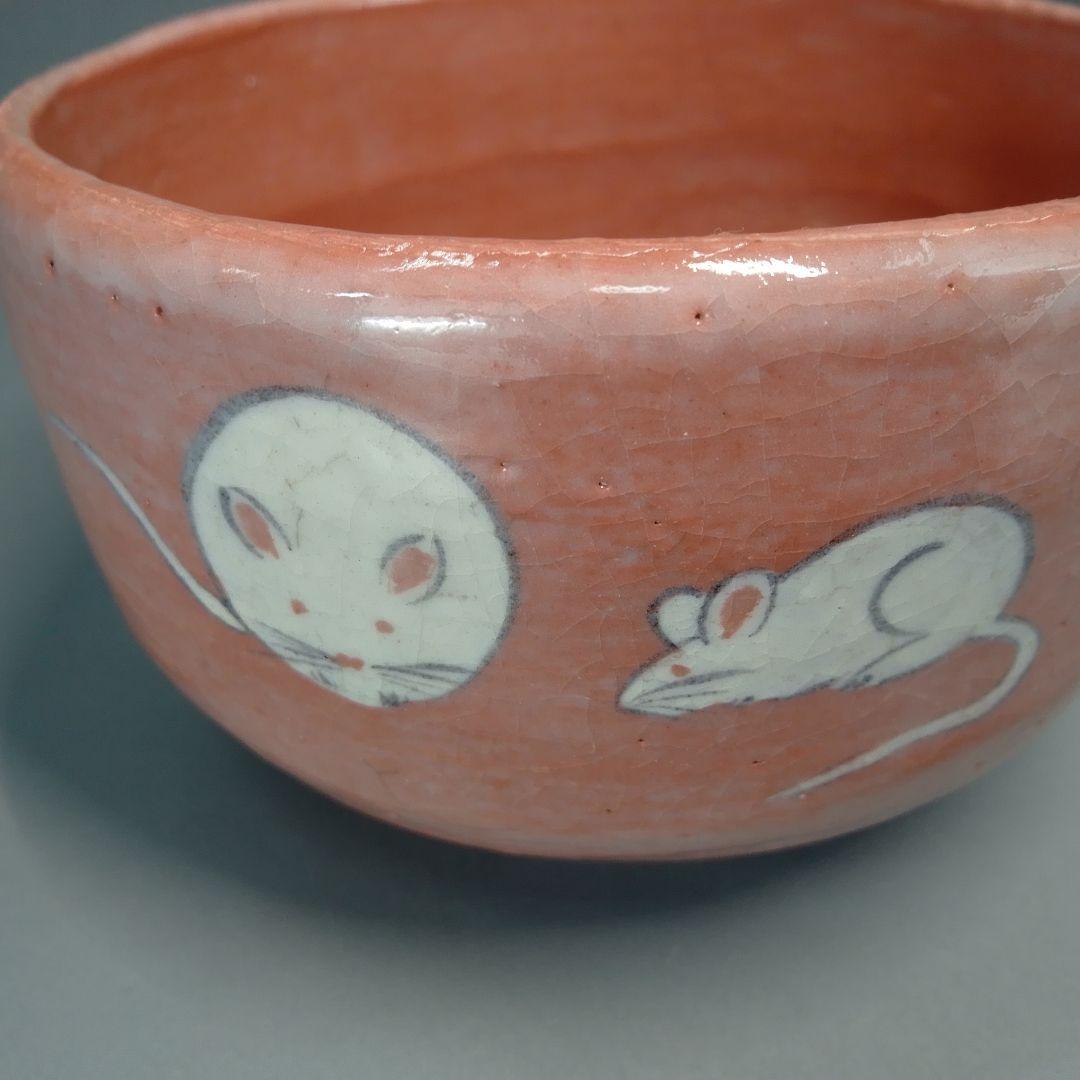
A Zodiac Rat Tea Bowl from the renowned Daigo Kiln (醍醐窯), this chawan belongs to the Year of the Mouse series — a Salmon Pink Glazed Chawan with playful Overglaze Nezumi (mice) and Crackle Kannyu Glaze throughout. This Japanese Zodiac Pottery piece carries the cultural weight of Eto Zodiac Tradition, making it a meaningful Japanese Tea Ceremony accessory and Art Collector's piece for anyone drawn to Handmade Japanese Ceramics and Zodiac Animal Art.
━━━━━━━━━━━━━━━━━━━━
🔹 [ BASIC DETAILS ]
• Kiln: Daigo-gama (醍醐窯)
• Technique: Overglaze enamel painting (上絵付) on salmon-pink crackle glaze
• Design: Eto zodiac — Nezumi (鼠 / mouse), Year of the Rat (丙子)
• Era: 1996 (丙子年 — Hinoe-ne, Year of the Fire Rat)
• Origin: Japan
• Box: Inscribed '丙子歳 干支 茶盌' (Year of the Rat, Zodiac Tea Bowl)
• Condition: Good — crackle glaze (kannyu) throughout, consistent with technique
━━━━━━━━━━━━━━━━━━━━
🔹 [ CULTURAL & ARTISTIC INSIGHT ]
The Japanese zodiac does not merely mark time. It assigns character. Each year carries the spirit of its animal — and the rat, first in the cycle of twelve, holds the position of the initiator. According to the old story, the rat arrived at the celestial gate before all other animals, riding on the ox's back and leaping ahead at the final moment. Cleverness, not strength. Timing, not size.
Daigo kiln renders this zodiac energy not through formality but through affection. Two white mice appear on the salmon-pink surface — one mid-stride, legs extended in purposeful motion, the other curled into a contented round, sleeping or simply being. The contrast between movement and stillness on a single vessel is the kind of compositional intelligence that separates craft from authorship. These are not symbolic mice reduced to emblems. They are observed mice, painted with the warmth of someone who has watched them.
The salmon-pink ground is itself a statement — warm, flushed, alive in a way that porcelain white or celadon green cannot be. The crackle glaze (kannyu) that covers the entire surface adds a web of fine lines that gives the bowl the texture of aged paper or weathered plaster. This is a vessel that arrived already carrying time.
*"The rat came first — not by force, but by recognizing the moment."*
━━━━━━━━━━━━━━━━━━━━
🔹 [ DEEP-DIVE COMMENTARY ]
**Eto — The Japanese Zodiac Cycle**: The Japanese zodiac (十二支 / junishi) follows the Chinese twelve-animal cycle but integrates it with the ten celestial stems (十干 / jikkan) to create a sixty-year grand cycle (六十干支 / rokujikkanshi). 丙子 (Hinoe-ne) — the Fire Rat year — last occurred in 1996 and will not recur until 2056. A tea bowl made for a specific zodiac year becomes a temporal artifact: it marks not just a season but a position in a cycle that has structured East Asian time-keeping for millennia. Using this bowl in a New Year's tea gathering of a Rat year creates a resonance between vessel and moment that few objects can achieve.
**Overglaze Enamel (上絵付)**: The mice are painted in overglaze enamel — pigments applied atop the fired glaze and fixed in a second, lower-temperature firing. This technique allows for fine detail and color control impossible in underglaze work, where the kiln's atmosphere can alter pigments unpredictably. The white of the mice is opaque and distinct from the translucent pink of the ground glaze, giving the animals a physical presence on the bowl's surface, as though they have arrived and settled rather than been absorbed into the clay.
**Kannyu (貫入) — Crackle as Intention**: The crackle pattern covering the entire surface is not damage but design. Kannyu occurs when the thermal expansion coefficient of the glaze differs from that of the clay body — the glaze contracts more during cooling, creating a network of fine fractures. In certain Japanese and Chinese ceramic traditions, this effect is deliberately induced and celebrated. The crackle gives the surface a quality of age and depth that smooth, unbroken glaze cannot possess. Over time, tea stain will seep into these fine lines, darkening them and giving the bowl an evolving patina unique to its use.
**The Daigo Kiln Zodiac Series**: This bowl belongs to a zodiac series by Daigo kiln, with each year's animal receiving its own tea bowl. The series format — twelve animals across twelve years — transforms individual tea bowls into elements of a larger narrative. Collectors who encounter a single piece are meeting one chapter of a story that unfolds across the full zodiac cycle.
━━━━━━━━━━━━━━━━━━━━
🔹 [ 日本語解説 ]
【基本情報】
• 窯元:醍醐窯
• 技法:上絵付(色絵)、貫入釉
• 意匠:干支茶碗・子(鼠)
• 時代:1996年(丙子年)
• 産地:日本
• 釉薬:鮭色(サーモンピンク)貫入釉
• 付属:箱(「丙子歳 干支 茶盌」箱書き)
• 状態:良好(全面に貫入あり、技法による意図的な景色)
【解説】
醍醐窯の干支茶碗シリーズより、丙子(ひのえね)年——1996年の子(ねずみ)の茶碗です。温かみのある鮭色の貫入釉を全面に施した器面に、上絵付で二匹の白い鼠が愛らしく描かれています。一匹は駆け出す姿、もう一匹は丸まって佇む姿——動と静が一つの器の上で共存する構図に、単なる干支の記号を超えた観察眼と愛情が感じられます。
子(ね)は十二支の筆頭であり、新しい循環の始まりを象徴します。丙子は六十干支の中の一つで、次の丙子年は2056年。特定の干支年に作られた茶碗は、その年の正月の茶席で使うことで、器と時の共鳴が生まれます。全面を覆う貫入(かんにゅう)は意図的な技法で、使い込むほどに茶渋が入り込み、この茶碗だけの景色へと育っていきます。箱付き。
━━━━━━━━━━━━━━━━━━━━
🔹 [ SHIPPING & PACKAGING ]
• Dispatch: Within 1-6 business days
• Carrier: Japan Post EMS / UPS (with tracking)
• Packaging: Carefully wrapped with protective materials
*Two mice on salmon-pink clay — one running, one still. The zodiac does not explain time. It gives it a body.*
━━━━━━━━━━━━━━━━━━━━
🔹 [ BASIC DETAILS ]
• Kiln: Daigo-gama (醍醐窯)
• Technique: Overglaze enamel painting (上絵付) on salmon-pink crackle glaze
• Design: Eto zodiac — Nezumi (鼠 / mouse), Year of the Rat (丙子)
• Era: 1996 (丙子年 — Hinoe-ne, Year of the Fire Rat)
• Origin: Japan
• Box: Inscribed '丙子歳 干支 茶盌' (Year of the Rat, Zodiac Tea Bowl)
• Condition: Good — crackle glaze (kannyu) throughout, consistent with technique
━━━━━━━━━━━━━━━━━━━━
🔹 [ CULTURAL & ARTISTIC INSIGHT ]
The Japanese zodiac does not merely mark time. It assigns character. Each year carries the spirit of its animal — and the rat, first in the cycle of twelve, holds the position of the initiator. According to the old story, the rat arrived at the celestial gate before all other animals, riding on the ox's back and leaping ahead at the final moment. Cleverness, not strength. Timing, not size.
Daigo kiln renders this zodiac energy not through formality but through affection. Two white mice appear on the salmon-pink surface — one mid-stride, legs extended in purposeful motion, the other curled into a contented round, sleeping or simply being. The contrast between movement and stillness on a single vessel is the kind of compositional intelligence that separates craft from authorship. These are not symbolic mice reduced to emblems. They are observed mice, painted with the warmth of someone who has watched them.
The salmon-pink ground is itself a statement — warm, flushed, alive in a way that porcelain white or celadon green cannot be. The crackle glaze (kannyu) that covers the entire surface adds a web of fine lines that gives the bowl the texture of aged paper or weathered plaster. This is a vessel that arrived already carrying time.
*"The rat came first — not by force, but by recognizing the moment."*
━━━━━━━━━━━━━━━━━━━━
🔹 [ DEEP-DIVE COMMENTARY ]
**Eto — The Japanese Zodiac Cycle**: The Japanese zodiac (十二支 / junishi) follows the Chinese twelve-animal cycle but integrates it with the ten celestial stems (十干 / jikkan) to create a sixty-year grand cycle (六十干支 / rokujikkanshi). 丙子 (Hinoe-ne) — the Fire Rat year — last occurred in 1996 and will not recur until 2056. A tea bowl made for a specific zodiac year becomes a temporal artifact: it marks not just a season but a position in a cycle that has structured East Asian time-keeping for millennia. Using this bowl in a New Year's tea gathering of a Rat year creates a resonance between vessel and moment that few objects can achieve.
**Overglaze Enamel (上絵付)**: The mice are painted in overglaze enamel — pigments applied atop the fired glaze and fixed in a second, lower-temperature firing. This technique allows for fine detail and color control impossible in underglaze work, where the kiln's atmosphere can alter pigments unpredictably. The white of the mice is opaque and distinct from the translucent pink of the ground glaze, giving the animals a physical presence on the bowl's surface, as though they have arrived and settled rather than been absorbed into the clay.
**Kannyu (貫入) — Crackle as Intention**: The crackle pattern covering the entire surface is not damage but design. Kannyu occurs when the thermal expansion coefficient of the glaze differs from that of the clay body — the glaze contracts more during cooling, creating a network of fine fractures. In certain Japanese and Chinese ceramic traditions, this effect is deliberately induced and celebrated. The crackle gives the surface a quality of age and depth that smooth, unbroken glaze cannot possess. Over time, tea stain will seep into these fine lines, darkening them and giving the bowl an evolving patina unique to its use.
**The Daigo Kiln Zodiac Series**: This bowl belongs to a zodiac series by Daigo kiln, with each year's animal receiving its own tea bowl. The series format — twelve animals across twelve years — transforms individual tea bowls into elements of a larger narrative. Collectors who encounter a single piece are meeting one chapter of a story that unfolds across the full zodiac cycle.
━━━━━━━━━━━━━━━━━━━━
🔹 [ 日本語解説 ]
【基本情報】
• 窯元:醍醐窯
• 技法:上絵付(色絵)、貫入釉
• 意匠:干支茶碗・子(鼠)
• 時代:1996年(丙子年)
• 産地:日本
• 釉薬:鮭色(サーモンピンク)貫入釉
• 付属:箱(「丙子歳 干支 茶盌」箱書き)
• 状態:良好(全面に貫入あり、技法による意図的な景色)
【解説】
醍醐窯の干支茶碗シリーズより、丙子(ひのえね)年——1996年の子(ねずみ)の茶碗です。温かみのある鮭色の貫入釉を全面に施した器面に、上絵付で二匹の白い鼠が愛らしく描かれています。一匹は駆け出す姿、もう一匹は丸まって佇む姿——動と静が一つの器の上で共存する構図に、単なる干支の記号を超えた観察眼と愛情が感じられます。
子(ね)は十二支の筆頭であり、新しい循環の始まりを象徴します。丙子は六十干支の中の一つで、次の丙子年は2056年。特定の干支年に作られた茶碗は、その年の正月の茶席で使うことで、器と時の共鳴が生まれます。全面を覆う貫入(かんにゅう)は意図的な技法で、使い込むほどに茶渋が入り込み、この茶碗だけの景色へと育っていきます。箱付き。
━━━━━━━━━━━━━━━━━━━━
🔹 [ SHIPPING & PACKAGING ]
• Dispatch: Within 1-6 business days
• Carrier: Japan Post EMS / UPS (with tracking)
• Packaging: Carefully wrapped with protective materials
*Two mice on salmon-pink clay — one running, one still. The zodiac does not explain time. It gives it a body.*
Quantity
Couldn't load pickup availability
Low stock: 1 left
View full details