1
/
of
18
Chrysanthemum Paulownia Maki-e O-Natsume by Goto Doho - Kenchu-sai Attestation Box
Chrysanthemum Paulownia Maki-e O-Natsume by Goto Doho - Kenchu-sai Attestation Box
Regular price
Dhs. 2,532.00 AED
Regular price
Sale price
Dhs. 2,532.00 AED
Taxes included.
Shipping calculated at checkout.
Experience authentic Japanese lacquer artistry with this Chrysanthemum Paulownia Maki-e O-Natsume by Goto Doho. This Large Tea Caddy serves as a Maki-e Lacquerware Masterwork and Usuchaki, featuring Gold and Copper Autumn Grass Design and Urasenke Attestation—a must-have for any Tea Collector seeking Japanese Lacquerware and Tea Ceremony Heritage.
━━━━━━━━━━━━━━━━━━━━
🔹 [ BASIC DETAILS ]
• Artist: Goto Doho (呉藤童甫)
• Technique: Gold and copper maki-e on black urushi
• Era: Contemporary (Heisei–Reiwa period)
• Origin: Japan
• Dimensions: 7 cm diameter × 7.4 cm height (2.8" × 2.9")
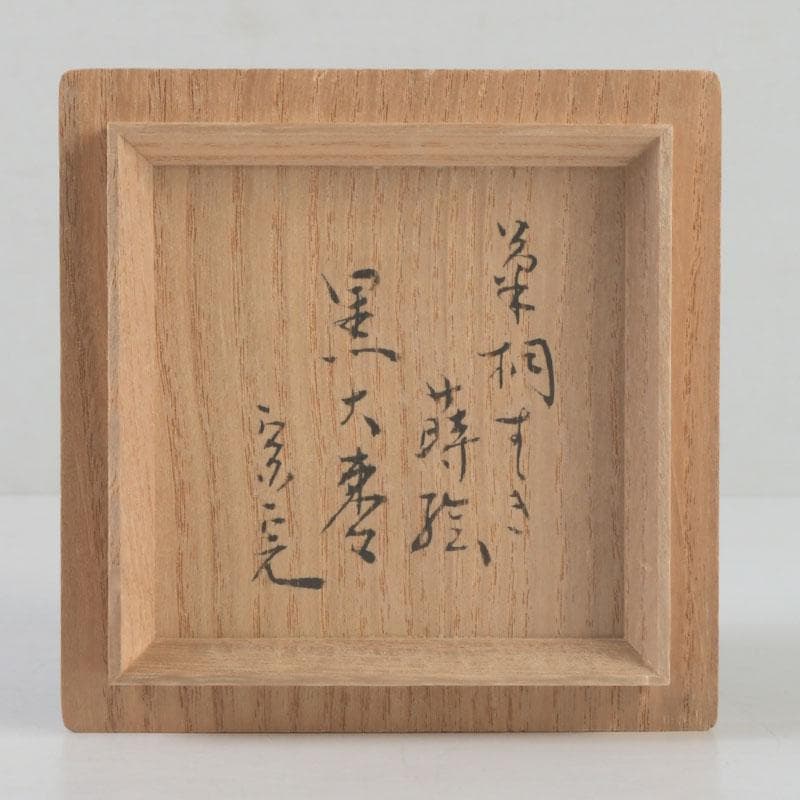
• Box: Kakitsuke-tomobako (attestation box by Kenchu-sai / Horiuchi Sokan XIII, 13th-generation Urasenke tea master)
• Condition: Excellent – no cracks, chips, or repairs
━━━━━━━━━━━━━━━━━━━━
🔹 [ CULTURAL & ARTISTIC INSIGHT ]
The o-natsume (large natsume) occupies a particular position within tea caddy forms—taller, more generous than standard natsume, suited for gatherings requiring visual and volumetric presence. Goto Doho’s treatment of this form centers on the classical triad of chrysanthemum (菊), paulownia (桐), and autumn grasses (秋草)—three motifs whose cultural weight in Japanese aesthetics stretches across centuries of imperial and courtly association.
What elevates this piece beyond its technical accomplishment is the kakitsuke (attestation) by Horiuchi Sokan, the 13th-generation Urasenke tea master known as Kenchu-sai. An attestation from a grand master of this lineage is not merely documentation—it is recognition. It confirms the piece meets the standards of a living tea tradition. The box becomes part of the object’s identity, inseparable from the lacquerwork it houses.
*"Gold chrysanthemum and paulownia crest—motifs that carry centuries. A master’s hand writes the rest."*
━━━━━━━━━━━━━━━━━━━━
🔹 [ DEEP-DIVE COMMENTARY ]
**The Chrysanthemum-Paulownia Motif**: Chrysanthemum and paulownia together form one of the most culturally dense pairings in Japanese decorative arts. The chrysanthemum has served as the Imperial emblem since the Kamakura period, while the paulownia crest has signified the highest rank of political authority since the Muromachi era. Rendered together on a tea caddy, they establish a register of formality—this is an object made for significant tea gatherings. The autumn grasses soften the imperial weight, grounding the composition in seasonal awareness.
**Gold and Copper Maki-e**: Doho employs both gold and copper powders in the maki-e, creating tonal variation that standard gold-only work cannot achieve. The copper tones read as warm amber against the black lacquer ground, providing depth to chrysanthemum petals and paulownia leaves. Gold carries the structural lines while copper fills the organic forms.
**Kenchu-sai’s Attestation**: Horiuchi Sokan XIII represents the Urasenke Waki-senke lineage, one of the most authoritative voices in contemporary tea culture. His kakitsuke inscribed on the box lid authenticates the piece within the Urasenke aesthetic system. Such attestations are given sparingly and after direct examination.
**The O-Natsume Form**: The large natsume proportions create a vessel of deliberate presence. The additional height compared to standard natsume allows for more expansive maki-e composition—the autumn scene wraps the body with room to breathe.
**Lacquer Ground**: The black urushi base achieves mirror-depth that serves as foundation for maki-e. Multiple layers of lacquer, each polished to reflective finish, create a surface of apparent infinity against which the gold and copper elements float.
━━━━━━━━━━━━━━━━━━━━
🔹 [ 日本語解説 ]
【基本情報】
• 作家:呉藤童甫
• 技法:菊桐秋草蒔絵(金・銅)
• 形状:大棗
• 寸法:直径7cm × 高さ7.4cm
• 付属:兼中斉(堀内宗完十三代)書付共箱
• 状態:良好
【解説】
呉藤童甫による大棗。黒漆地に金・銅蒔絵で菊・桐・秋草を描く。裏千家の脇家である堀内宗完十三代(兼中斉)による書付共箱が付く。菊と桐の意匠は宮廷・武家の権威を象徴し、秋草が季節感を加える。家元の書付は、茶道の正統な美意識にかなう作品であることの証明であり、正式な茶事にふさわしい格を持つ。
━━━━━━━━━━━━━━━━━━━━
🔹 [ SHIPPING & PACKAGING ]
• Dispatch: Within 1-6 business days
• Carrier: Japan Post EMS / UPS (with tracking)
• Packaging: Carefully wrapped with protective materials
*Imperial crests in gold and copper. Autumn grasses bend beneath. A master’s attestation seals the continuity.*
━━━━━━━━━━━━━━━━━━━━
🔹 [ BASIC DETAILS ]
• Artist: Goto Doho (呉藤童甫)
• Technique: Gold and copper maki-e on black urushi
• Era: Contemporary (Heisei–Reiwa period)
• Origin: Japan
• Dimensions: 7 cm diameter × 7.4 cm height (2.8" × 2.9")
• Box: Kakitsuke-tomobako (attestation box by Kenchu-sai / Horiuchi Sokan XIII, 13th-generation Urasenke tea master)
• Condition: Excellent – no cracks, chips, or repairs
━━━━━━━━━━━━━━━━━━━━
🔹 [ CULTURAL & ARTISTIC INSIGHT ]
The o-natsume (large natsume) occupies a particular position within tea caddy forms—taller, more generous than standard natsume, suited for gatherings requiring visual and volumetric presence. Goto Doho’s treatment of this form centers on the classical triad of chrysanthemum (菊), paulownia (桐), and autumn grasses (秋草)—three motifs whose cultural weight in Japanese aesthetics stretches across centuries of imperial and courtly association.
What elevates this piece beyond its technical accomplishment is the kakitsuke (attestation) by Horiuchi Sokan, the 13th-generation Urasenke tea master known as Kenchu-sai. An attestation from a grand master of this lineage is not merely documentation—it is recognition. It confirms the piece meets the standards of a living tea tradition. The box becomes part of the object’s identity, inseparable from the lacquerwork it houses.
*"Gold chrysanthemum and paulownia crest—motifs that carry centuries. A master’s hand writes the rest."*
━━━━━━━━━━━━━━━━━━━━
🔹 [ DEEP-DIVE COMMENTARY ]
**The Chrysanthemum-Paulownia Motif**: Chrysanthemum and paulownia together form one of the most culturally dense pairings in Japanese decorative arts. The chrysanthemum has served as the Imperial emblem since the Kamakura period, while the paulownia crest has signified the highest rank of political authority since the Muromachi era. Rendered together on a tea caddy, they establish a register of formality—this is an object made for significant tea gatherings. The autumn grasses soften the imperial weight, grounding the composition in seasonal awareness.
**Gold and Copper Maki-e**: Doho employs both gold and copper powders in the maki-e, creating tonal variation that standard gold-only work cannot achieve. The copper tones read as warm amber against the black lacquer ground, providing depth to chrysanthemum petals and paulownia leaves. Gold carries the structural lines while copper fills the organic forms.
**Kenchu-sai’s Attestation**: Horiuchi Sokan XIII represents the Urasenke Waki-senke lineage, one of the most authoritative voices in contemporary tea culture. His kakitsuke inscribed on the box lid authenticates the piece within the Urasenke aesthetic system. Such attestations are given sparingly and after direct examination.
**The O-Natsume Form**: The large natsume proportions create a vessel of deliberate presence. The additional height compared to standard natsume allows for more expansive maki-e composition—the autumn scene wraps the body with room to breathe.
**Lacquer Ground**: The black urushi base achieves mirror-depth that serves as foundation for maki-e. Multiple layers of lacquer, each polished to reflective finish, create a surface of apparent infinity against which the gold and copper elements float.
━━━━━━━━━━━━━━━━━━━━
🔹 [ 日本語解説 ]
【基本情報】
• 作家:呉藤童甫
• 技法:菊桐秋草蒔絵(金・銅)
• 形状:大棗
• 寸法:直径7cm × 高さ7.4cm
• 付属:兼中斉(堀内宗完十三代)書付共箱
• 状態:良好
【解説】
呉藤童甫による大棗。黒漆地に金・銅蒔絵で菊・桐・秋草を描く。裏千家の脇家である堀内宗完十三代(兼中斉)による書付共箱が付く。菊と桐の意匠は宮廷・武家の権威を象徴し、秋草が季節感を加える。家元の書付は、茶道の正統な美意識にかなう作品であることの証明であり、正式な茶事にふさわしい格を持つ。
━━━━━━━━━━━━━━━━━━━━
🔹 [ SHIPPING & PACKAGING ]
• Dispatch: Within 1-6 business days
• Carrier: Japan Post EMS / UPS (with tracking)
• Packaging: Carefully wrapped with protective materials
*Imperial crests in gold and copper. Autumn grasses bend beneath. A master’s attestation seals the continuity.*
Quantity
Couldn't load pickup availability
Low stock: 1 left
View full details