1
/
of
9
Chashaku Tea Scoop 'Wakamatsu Oimatsu' — Suga Gendo — Zuisenji Daitokuji — Japan
Chashaku Tea Scoop 'Wakamatsu Oimatsu' — Suga Gendo — Zuisenji Daitokuji — Japan
Regular price
Dhs. 975.00 AED
Regular price
Sale price
Dhs. 975.00 AED
Taxes included.
Shipping calculated at checkout.
A tea scoop bearing the inscription of Suga Gendo, monk of Zuisenji temple within the Daitokuji school, with carving by the bamboo craftsman Chikokosai. The mei — Wakamatsu Oimatsu, Young Pine and Old Pine — names a pairing that has defined Japanese aesthetic thought for centuries: the young and the aged as two expressions of a single presence.
🔹 [ BASIC DETAILS ]
• Object: Chashaku (tea scoop) with inscribed bamboo tube and paulownia box
• Calligraphy: Suga Gendo (須賀玄道) — Zuisenji, Daitokuji school
• Carving: Chikokosai (竹高斎) — recognized bamboo craftsman
• Mei (Name): Wakamatsu Oimatsu (若松老松 / Young Pine, Old Pine)
• Material: Bamboo
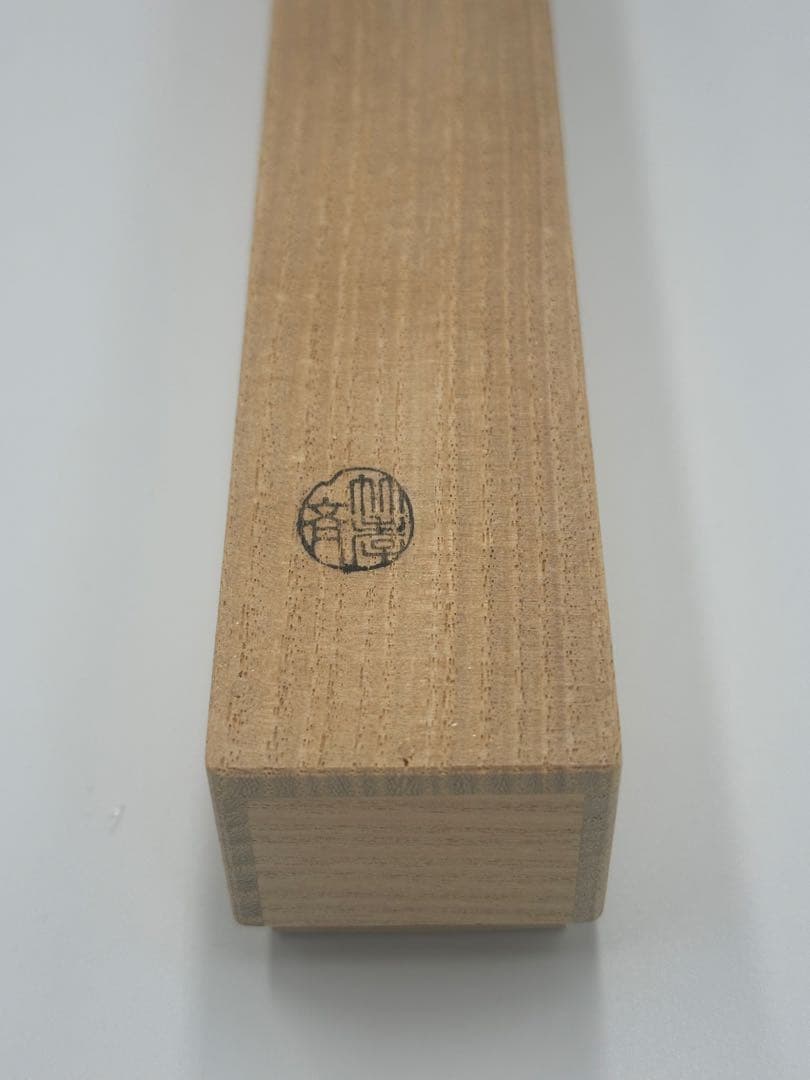
• Box: Paulownia wood with temple seal
• Condition: Good — aged patina consistent with quality bamboo selection
• Era: 2000–2006
• Origin: Kyoto, Japan (Daitokuji-ha Zuisenji)
🔹 [ CULTURAL INSIGHT ]
In tea ceremony, the naming of a scoop is an act of authorship by the monk or master who writes the inscription. The name becomes the identity of the object — a frame through which every subsequent use is filtered. Wakamatsu Oimatsu places the scoop within one of Japan's oldest aesthetic pairings: the young pine and the old pine, standing together in the same garden, expressing the same rootedness at different stages of time. The Daitokuji school — of which Zuisenji is a part — has maintained this practice of inscribed collaboration between monk and craftsman for centuries. The cultural weight of the tradition is embedded in the object itself.
🔹 [ DEEP-DIVE ]
This scoop demonstrates the characteristic qualities of a Chikokosai carving: the bamboo is selected for its warmth of tone, the knuckle is positioned to give structural and visual balance, and the tip describes a gentle, purposeful arc. The patina — visible across the scoop's body — is the result of handling and time, and indicates that the bamboo was chosen at a mature stage rather than forced into color artificially. Suga Gendo's inscription on both box and tube shows consistency of brushwork: disciplined, unadorned, carrying the emotional silence of monastic practice without straining for effect. The pairing of monk's calligraphy with a named craftsman's carving places this scoop within the classical tradition of collaborative tea objects.
_Young pine and old pine: the same presence, observed across time._
🔹 [ 日本語解説 ]
大徳寺派瑞泉寺の僧・須賀玄道師の書付、竹高斎作の茶杓。銘は「若松老松」。若い松と老いた松――同じ根から伸びる、時間を隔てた二つの相――を銘とする本品は、日本の美意識における「連続性」を体現しています。竹の質は良く、経年による自然な色艶が出ており、品格のある仕上がりです。桐箱入り、寺印入り。状態良好。
🔹 [ SHIPPING & PACKAGING ]
• Dispatch: Within 1-6 business days
• Carrier: Japan Post EMS / UPS (with tracking)
• Packaging: Carefully wrapped with protective materials
🔹 [ BASIC DETAILS ]
• Object: Chashaku (tea scoop) with inscribed bamboo tube and paulownia box
• Calligraphy: Suga Gendo (須賀玄道) — Zuisenji, Daitokuji school
• Carving: Chikokosai (竹高斎) — recognized bamboo craftsman
• Mei (Name): Wakamatsu Oimatsu (若松老松 / Young Pine, Old Pine)
• Material: Bamboo
• Box: Paulownia wood with temple seal
• Condition: Good — aged patina consistent with quality bamboo selection
• Era: 2000–2006
• Origin: Kyoto, Japan (Daitokuji-ha Zuisenji)
🔹 [ CULTURAL INSIGHT ]
In tea ceremony, the naming of a scoop is an act of authorship by the monk or master who writes the inscription. The name becomes the identity of the object — a frame through which every subsequent use is filtered. Wakamatsu Oimatsu places the scoop within one of Japan's oldest aesthetic pairings: the young pine and the old pine, standing together in the same garden, expressing the same rootedness at different stages of time. The Daitokuji school — of which Zuisenji is a part — has maintained this practice of inscribed collaboration between monk and craftsman for centuries. The cultural weight of the tradition is embedded in the object itself.
🔹 [ DEEP-DIVE ]
This scoop demonstrates the characteristic qualities of a Chikokosai carving: the bamboo is selected for its warmth of tone, the knuckle is positioned to give structural and visual balance, and the tip describes a gentle, purposeful arc. The patina — visible across the scoop's body — is the result of handling and time, and indicates that the bamboo was chosen at a mature stage rather than forced into color artificially. Suga Gendo's inscription on both box and tube shows consistency of brushwork: disciplined, unadorned, carrying the emotional silence of monastic practice without straining for effect. The pairing of monk's calligraphy with a named craftsman's carving places this scoop within the classical tradition of collaborative tea objects.
_Young pine and old pine: the same presence, observed across time._
🔹 [ 日本語解説 ]
大徳寺派瑞泉寺の僧・須賀玄道師の書付、竹高斎作の茶杓。銘は「若松老松」。若い松と老いた松――同じ根から伸びる、時間を隔てた二つの相――を銘とする本品は、日本の美意識における「連続性」を体現しています。竹の質は良く、経年による自然な色艶が出ており、品格のある仕上がりです。桐箱入り、寺印入り。状態良好。
🔹 [ SHIPPING & PACKAGING ]
• Dispatch: Within 1-6 business days
• Carrier: Japan Post EMS / UPS (with tracking)
• Packaging: Carefully wrapped with protective materials
Quantity
Couldn't load pickup availability
Low stock: 1 left
View full details