1
/
of
18
Chashaku Tea Scoop 'Tancho' (Red-Crowned Crane) by Hasegawa Kanshu — Daitoku-ji Sangen-in
Chashaku Tea Scoop 'Tancho' (Red-Crowned Crane) by Hasegawa Kanshu — Daitoku-ji Sangen-in
Regular price
Dhs. 749.00 AED
Regular price
Sale price
Dhs. 749.00 AED
Taxes included.
Shipping calculated at checkout.
Experience Authentic Japanese Zen Art with this Chashaku Bamboo Tea Scoop. This Daitoku-ji Temple Tea Utensil serves as a Zen Calligraphy Collectible and Susudake Bamboo Artwork, featuring Buddhist Priest Inscription and Japanese Tea Ceremony Craft—a must-have for any Art Collector and Chado Enthusiast.
━━━━━━━━━━━━━━━━━━━━━━
🔹 BASIC DETAILS
• **Artist**: Hasegawa Kanshu (長谷川寛州) — Abbot of Sangen-in (三玄院), Daitoku-ji Temple, Kyoto
• **Mei (銘)**: Tancho (丹頂) — "Red-Crowned Crane"
• **Technique**: Hand-carved susudake (smoked bamboo) with traditional fushi (node) placement
• **Era**: Late 20th Century
• **Origin**: Kyoto, Japan — Daitoku-ji Temple Complex
• **Dimensions**: Length 18.4 cm
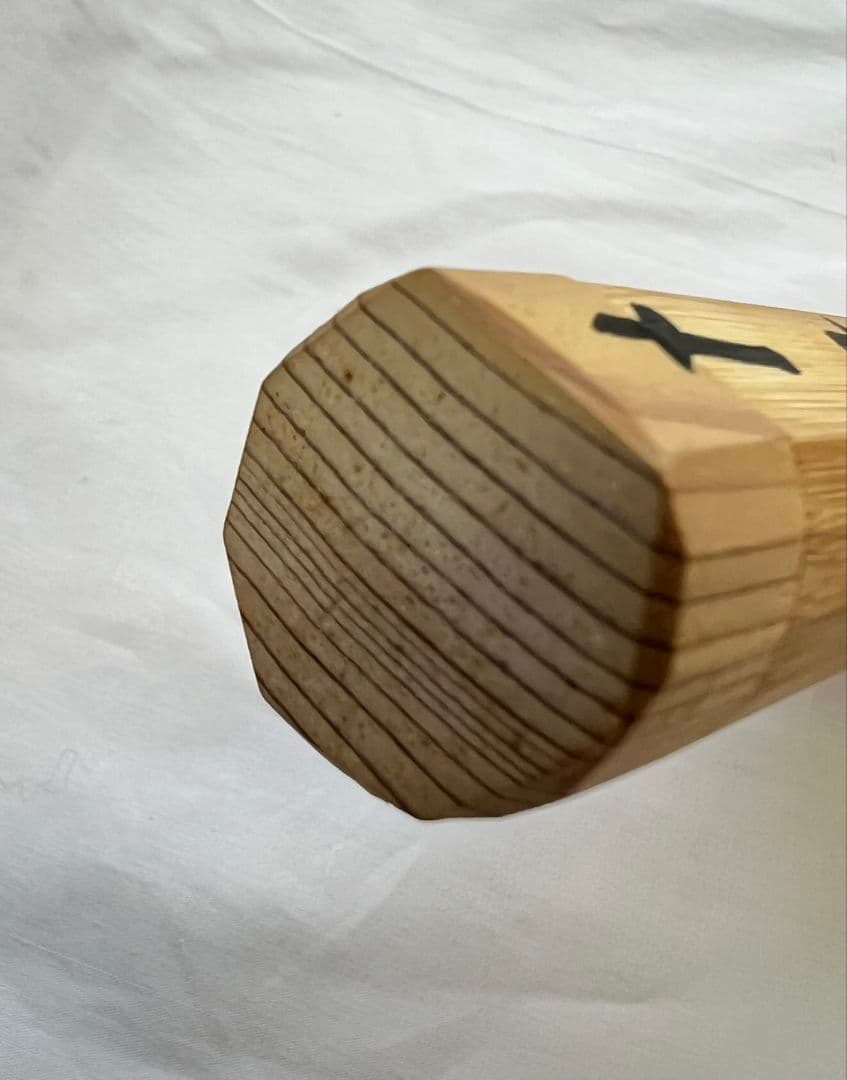
• **Box**: Kiri-bako (paulownia wood box) with brush inscription "銘 丹頂 茶聖院 長谷川寛州" on lid interior; decorative green-patterned paper outer box
• **Bamboo Tube (Tsutsu)**: Inscribed "丹頂" with flower seal (kaō)
• **Condition**: Good — beautiful natural patina on bamboo; paper box shows minor spotting and discoloration consistent with age
━━━━━━━━━━━━━━━━━━━━━━
🔹 CULTURAL & ARTISTIC INSIGHT
**Historical Context**
Sangen-in (三玄院) is a sub-temple of Daitoku-ji, the great Rinzai Zen temple complex in Kyoto that has shaped the course of Japanese tea culture since the 16th century. Tea scoops inscribed by Daitoku-ji abbots carry a spiritual lineage that connects directly to Sen no Rikyu, who studied Zen under Daitoku-ji masters. A chashaku bearing the brushwork of a Sangen-in abbot is therefore not merely a tea utensil—it is a vessel of Zen transmission.
**Technique & Aesthetic**
The bamboo displays the rich, deep brown coloration characteristic of susudake—bamboo that has been slowly smoked over decades in traditional thatched-roof farmhouses. This aging process produces a warmth and depth of color that cannot be artificially replicated. The node (fushi) sits at the center of the scoop, creating the classic arikoshi (ant-waist) silhouette. The tip (sakisaki) is elegantly shaped with a gentle curve suited to scooping matcha.
**Philosophical Reflection**
_Tancho—the crane that crowns itself in red. A name that holds silence and flight in a single breath._
━━━━━━━━━━━━━━━━━━━━━━
🔹 DEEP-DIVE COMMENTARY
The naming practice of tea scoops (chamei) is among the most intimate acts in the tea tradition. When a Zen priest bestows a mei upon a chashaku, the name does not describe the object—it opens a gate of contemplation. "Tancho" (丹頂, Red-Crowned Crane) evokes the Japanese crane, a symbol of longevity, fidelity, and transcendence. In Zen and tea contexts, the crane represents the spirit that rises above worldly concerns while remaining grounded in the present moment.
The red crown (tan, 丹) of the Japanese crane appears only on the living bird—a patch of bare skin flushed with blood, symbolizing life's fragile beauty. To name a tea scoop after this feature is to invoke impermanence within elegance, a deeply wabi aesthetic.
Hasegawa Kanshu (長谷川寛州) served as abbot of Sangen-in, following a lineage of priest-calligraphers whose brushwork has graced tea utensils for generations. The inscription on both the bamboo tube and the paulownia box lid confirms the provenance, while the kaō (花押, personal seal) authenticates the piece.
Susudake bamboo is increasingly difficult to source as traditional thatched-roof structures disappear from the Japanese countryside. Tea scoops carved from genuine susudake carry the literal memory of domestic life—the smoke of cooking fires absorbed over generations—making each piece a tangible archive of vanishing rural Japan.
━━━━━━━━━━━━━━━━━━━━━━
🔹 JAPANESE DESCRIPTION / 日本語解説
🔹 基本情報
• **書付**: 長谷川寛州(大徳寺 三玄院)
• **銘**: 丹頂(たんちょう)
• **素材**: 煤竹(すすだけ)
• **時代**: 20世紀後半
• **産地**: 京都・大徳寺
• **寸法**: 長さ 18.4cm
• **箱**: 桐箱(蓋裏に「銘 丹頂 茶聖院 長谷川寛州」墨書)、緑裂紙箱
• **共筒**: 「丹頂」銘、花押入り
• **状態**: 良好 — 竹に自然な時代色。紙箱に多少のシミ・くすみ
🔹 文化的・芸術的解説
三玄院は大徳寺の塔頭寺院であり、千利休が参禅した大徳寺の精神的系譜に連なる由緒ある寺院である。三玄院住職の筆による茶杓は、単なる茶道具を超えた禅の伝承の器といえる。
本品の竹は煤竹特有の深い焦げ茶色を呈し、白竹から煤竹へと変化した表情豊かな景色が見どころ。節は杓の中程に位置し、蟻腰の美しいシルエットを形成する。先端は抹茶を掬うにふさわしい優美な曲線を描く。
🔹 詳細解説
茶杓の銘は茶道において最も親密な行為の一つである。禅僧が茶杓に銘を授けるとき、その名は物を描写するのではなく、観想の門を開く。「丹頂」は日本の鶴を象徴し、長寿・貞節・超越を意味する。丹頂の「丹」は生きた鶴の頭頂にのみ現れる赤い肌—血の通った生命の儚い美しさ—を指し、侘びの美学に通ずる無常のなかの気品を喚起する。
煤竹は伝統的な茅葺き屋根の農家で数十年にわたり燻された竹であり、炊事の煙を吸い込んだその色合いは人工的に再現することができない。茅葺き屋根の建築が失われつつある今日、本物の煤竹の茶杓は消えゆく日本の農村の記憶を宿す貴重な存在である。
🔹 [ SHIPPING & PACKAGING ]
• Dispatch: Within 1-6 business days
• Carrier: Japan Post EMS / UPS (with tracking)
• Packaging: Carefully wrapped with protective materials
🔹 [ SHIPPING & PACKAGING ]
• Dispatch: Within 1-6 business days
• Carrier: Japan Post EMS / UPS (with tracking)
• Packaging: Carefully wrapped with protective materials
━━━━━━━━━━━━━━━━━━━━━━
🔹 BASIC DETAILS
• **Artist**: Hasegawa Kanshu (長谷川寛州) — Abbot of Sangen-in (三玄院), Daitoku-ji Temple, Kyoto
• **Mei (銘)**: Tancho (丹頂) — "Red-Crowned Crane"
• **Technique**: Hand-carved susudake (smoked bamboo) with traditional fushi (node) placement
• **Era**: Late 20th Century
• **Origin**: Kyoto, Japan — Daitoku-ji Temple Complex
• **Dimensions**: Length 18.4 cm
• **Box**: Kiri-bako (paulownia wood box) with brush inscription "銘 丹頂 茶聖院 長谷川寛州" on lid interior; decorative green-patterned paper outer box
• **Bamboo Tube (Tsutsu)**: Inscribed "丹頂" with flower seal (kaō)
• **Condition**: Good — beautiful natural patina on bamboo; paper box shows minor spotting and discoloration consistent with age
━━━━━━━━━━━━━━━━━━━━━━
🔹 CULTURAL & ARTISTIC INSIGHT
**Historical Context**
Sangen-in (三玄院) is a sub-temple of Daitoku-ji, the great Rinzai Zen temple complex in Kyoto that has shaped the course of Japanese tea culture since the 16th century. Tea scoops inscribed by Daitoku-ji abbots carry a spiritual lineage that connects directly to Sen no Rikyu, who studied Zen under Daitoku-ji masters. A chashaku bearing the brushwork of a Sangen-in abbot is therefore not merely a tea utensil—it is a vessel of Zen transmission.
**Technique & Aesthetic**
The bamboo displays the rich, deep brown coloration characteristic of susudake—bamboo that has been slowly smoked over decades in traditional thatched-roof farmhouses. This aging process produces a warmth and depth of color that cannot be artificially replicated. The node (fushi) sits at the center of the scoop, creating the classic arikoshi (ant-waist) silhouette. The tip (sakisaki) is elegantly shaped with a gentle curve suited to scooping matcha.
**Philosophical Reflection**
_Tancho—the crane that crowns itself in red. A name that holds silence and flight in a single breath._
━━━━━━━━━━━━━━━━━━━━━━
🔹 DEEP-DIVE COMMENTARY
The naming practice of tea scoops (chamei) is among the most intimate acts in the tea tradition. When a Zen priest bestows a mei upon a chashaku, the name does not describe the object—it opens a gate of contemplation. "Tancho" (丹頂, Red-Crowned Crane) evokes the Japanese crane, a symbol of longevity, fidelity, and transcendence. In Zen and tea contexts, the crane represents the spirit that rises above worldly concerns while remaining grounded in the present moment.
The red crown (tan, 丹) of the Japanese crane appears only on the living bird—a patch of bare skin flushed with blood, symbolizing life's fragile beauty. To name a tea scoop after this feature is to invoke impermanence within elegance, a deeply wabi aesthetic.
Hasegawa Kanshu (長谷川寛州) served as abbot of Sangen-in, following a lineage of priest-calligraphers whose brushwork has graced tea utensils for generations. The inscription on both the bamboo tube and the paulownia box lid confirms the provenance, while the kaō (花押, personal seal) authenticates the piece.
Susudake bamboo is increasingly difficult to source as traditional thatched-roof structures disappear from the Japanese countryside. Tea scoops carved from genuine susudake carry the literal memory of domestic life—the smoke of cooking fires absorbed over generations—making each piece a tangible archive of vanishing rural Japan.
━━━━━━━━━━━━━━━━━━━━━━
🔹 JAPANESE DESCRIPTION / 日本語解説
🔹 基本情報
• **書付**: 長谷川寛州(大徳寺 三玄院)
• **銘**: 丹頂(たんちょう)
• **素材**: 煤竹(すすだけ)
• **時代**: 20世紀後半
• **産地**: 京都・大徳寺
• **寸法**: 長さ 18.4cm
• **箱**: 桐箱(蓋裏に「銘 丹頂 茶聖院 長谷川寛州」墨書)、緑裂紙箱
• **共筒**: 「丹頂」銘、花押入り
• **状態**: 良好 — 竹に自然な時代色。紙箱に多少のシミ・くすみ
🔹 文化的・芸術的解説
三玄院は大徳寺の塔頭寺院であり、千利休が参禅した大徳寺の精神的系譜に連なる由緒ある寺院である。三玄院住職の筆による茶杓は、単なる茶道具を超えた禅の伝承の器といえる。
本品の竹は煤竹特有の深い焦げ茶色を呈し、白竹から煤竹へと変化した表情豊かな景色が見どころ。節は杓の中程に位置し、蟻腰の美しいシルエットを形成する。先端は抹茶を掬うにふさわしい優美な曲線を描く。
🔹 詳細解説
茶杓の銘は茶道において最も親密な行為の一つである。禅僧が茶杓に銘を授けるとき、その名は物を描写するのではなく、観想の門を開く。「丹頂」は日本の鶴を象徴し、長寿・貞節・超越を意味する。丹頂の「丹」は生きた鶴の頭頂にのみ現れる赤い肌—血の通った生命の儚い美しさ—を指し、侘びの美学に通ずる無常のなかの気品を喚起する。
煤竹は伝統的な茅葺き屋根の農家で数十年にわたり燻された竹であり、炊事の煙を吸い込んだその色合いは人工的に再現することができない。茅葺き屋根の建築が失われつつある今日、本物の煤竹の茶杓は消えゆく日本の農村の記憶を宿す貴重な存在である。
🔹 [ SHIPPING & PACKAGING ]
• Dispatch: Within 1-6 business days
• Carrier: Japan Post EMS / UPS (with tracking)
• Packaging: Carefully wrapped with protective materials
🔹 [ SHIPPING & PACKAGING ]
• Dispatch: Within 1-6 business days
• Carrier: Japan Post EMS / UPS (with tracking)
• Packaging: Carefully wrapped with protective materials
Quantity
Couldn't load pickup availability
Low stock: 1 left
View full details