1
/
of
10
Chashaku Tea Scoop 'Suehiro' by Doun of Daitokuji — White Bamboo, Signed Tube & Box
Chashaku Tea Scoop 'Suehiro' by Doun of Daitokuji — White Bamboo, Signed Tube & Box
Regular price
Dhs. 611.00 AED
Regular price
Sale price
Dhs. 611.00 AED
Taxes included.
Shipping calculated at checkout.
Experience Authentic Japan Art with this Japanese Tea Ceremony Chashaku. This Bamboo Tea Scoop Daitokuji serves as a Zen Tea Utensil and Ceremonial Matcha Scoop, featuring White Bamboo Chashaku and Named Tea Scoop Suehiro—a must-have for any Art Collector seeking a Temple-Inscribed Tea Scoop or Japanese Chado Gift.
🔹 [ BASIC DETAILS ]
• Artist: Doun (洞雲), Daitokuji Temple lineage, Kyoto
• Named Utensil (銘 / mei): Suehiro (末広) — meaning "spreading wide," symbolizing auspicious expansion and good fortune
• Material: Shiro-take (白竹 / white bamboo)
• Form: Shin-style (真 — formal, straight shaft with clean, upswept hi)
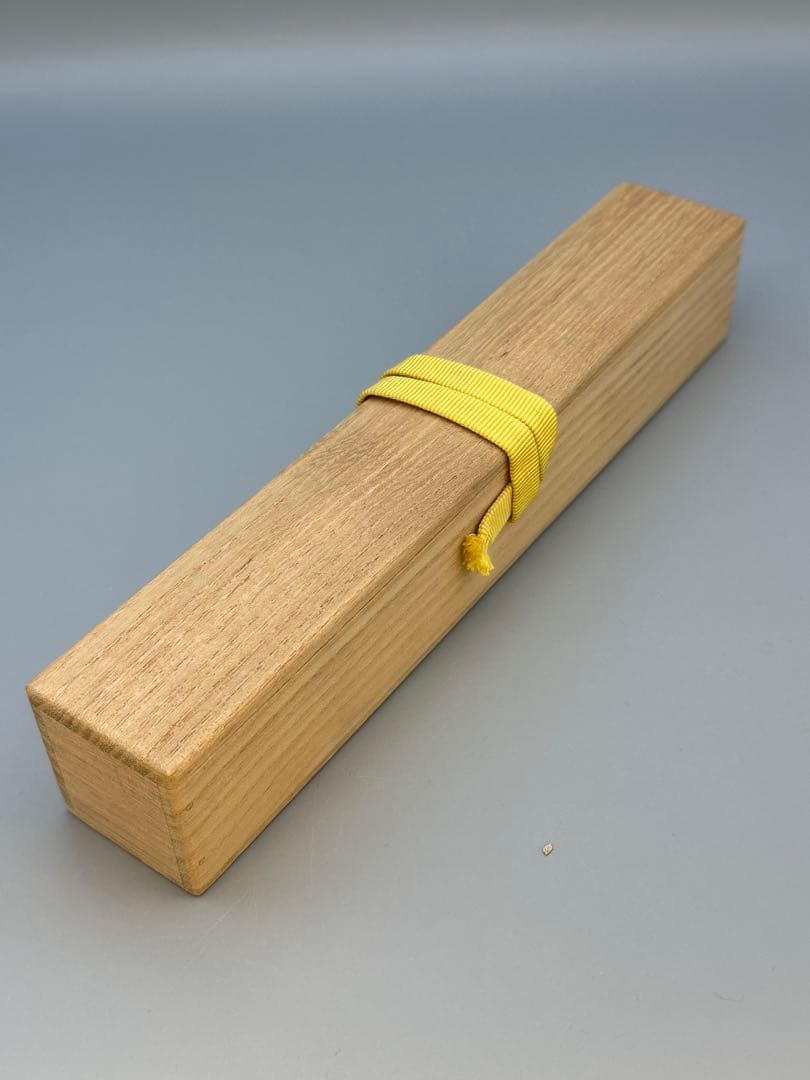
• Includes: Matching bamboo tube (共筒 / kyō-zutsu) inscribed "末広" with maker's seal; original wooden storage box (共箱 / tomobako) inscribed "銘 末広 洞雲" with maker's seal
• Approximate Length: approx. 18 cm (standard chashaku length)
• Condition: Excellent — no notable scratches or soiling on the scoop or tube; the wooden box shows minor age-toning (slight yellowing), consistent with careful storage
• Era: Post-2007 (contemporary, signed work)
🔹 [ CULTURAL & ARTISTIC INSIGHT ]
The chashaku — a tea scoop carved from a single piece of bamboo — is among the most intimate objects in the chado (茶道) tradition. Unlike ceramic vessels that emerge from fire, or lacquered boxes shaped by accumulated layers, the chashaku is the most direct expression of the hand: a single blade of bamboo split, shaped, and bent over gentle heat until it holds its graceful arc forever.
The name Suehiro (末広) — "spreading wide toward the end" — is one of the most celebrated and auspicious names in Japanese culture. Found on the folding fan (suehiro-sen, a symbol of expansion and prosperity), the name enters the tea room with a layer of seasonal and ceremonial resonance. To use a chashaku named Suehiro is to invoke an opening — of the moment, of the gathering, of possibility itself.
Doun (洞雲) is a priest-carver associated with Daitokuji (大徳寺), the great Rinzai Zen complex in northern Kyoto that has been the spiritual home of wabi-cha for five centuries. Daitokuji priests have been carving chashaku as acts of contemplative craft since the age of Sen no Rikyū, who himself was buried within the temple grounds. A chashaku bearing a Daitokuji inscription carries not merely the carver's hand but the accumulated silence of that tradition.
POETIC LINE: "The bamboo remembers the wind it once knew — now still, held at an angle toward the sky, it carries tea."
🔹 [ DEEP-DIVE COMMENTARY ]
The shiro-take (白竹 / white bamboo) chashaku represents the most classical form of this implement. Unlike the smoke-darkened susudake (煤竹) harvested from old farmhouse rafters, or the pale gold of fresh madake, white bamboo is prepared by a process of gentle sun-bleaching and drying that stabilizes its color and smooths its grain. The result is a surface with quiet luminosity — the color of aged ivory or winter light on rice paper — that shows every nuance of the carver's touch.
The formal shin style visible here is distinguished by its upright, symmetrical shaft and a hi (掬い / scoop bowl) that rises with clean intention from the node (fushi). The node, visible in the close-up images, anchors the object visually and physically — it is the point where the bamboo's growth locked in place, and the carver's work begins from this natural boundary. A skilled carver does not impose form on the bamboo; they reveal the form that was already there.
The complete set — chashaku, bamboo tube, and wooden box — is called a san-mitsu (三密 / triple enclosure) configuration in collectors' parlance. Each layer serves a purpose: the kyō-zutsu (bamboo tube) protects the delicate hi from the pressure of storage; the tomobako (wooden box) buffers humidity and light. When all three are signed by the same hand, the provenance is continuous and self-contained. The inscriptions on tube and box match in brush character and seal, confirming authenticity.
Daitokuji's role in chado is irreplaceable. It was at Daitokuji's Jukō-in sub-temple that Furuta Oribe studied, and at Kohō-an that Kobori Enshū shaped his own vision of tea. The temple's tradition of priest-carvers producing named chashaku for students, guests, and memorial occasions has continued across centuries. Each piece is both a functional implement and a document of that lineage.
For the collector, this chashaku offers an entry point into the living tradition of Daitokuji at an accessible price — with complete provenance documents intact and condition that allows active use in temae (点前 / tea practice) or display in a tokonoma (床の間 / alcove).
🔹 [ 日本語解説 ]
【基本詳細】
・作者:洞雲(大徳寺関係者)
・銘:末広(「末が広がる」=吉祥・繁栄の象徴)
・素材:白竹
・形:真(しん)— 正式な直軸、清潔で美しい掬い部
・付属:共筒(「末広」と記された竹筒、落款入り)、共箱(「銘 末広 洞雲」と記された木箱、落款入り)
・全長:約18cm(茶杓の標準的な長さ)
・状態:良好。茶杓・共筒には目立つ傷や汚れなし。共箱に僅かなヤケが見受けられますが、保存状態に由来するものです。
【文化・美的洞察】
茶杓は、茶道具の中でも最も直接的に「手」の痕跡を宿す道具です。陶器のように炎によって生まれるのでもなく、漆器のように幾層もの積み重ねで形成されるのでもなく、ただ一本の竹から刻み出されたその形は、作り手の精神がそのまま竹に映り込んだものと言えます。
銘「末広」は、日本文化において最も吉祥とされる言葉の一つです。末広がりの扇を連想させるこの言葉は、繁栄・発展・開かれた未来を意味し、茶席にふさわしい祝意をたたえています。洞雲師が「末広」と命じたこの茶杓は、点前のたびに、その名が持つ吉祥のエネルギーを茶室に呼び込む働きをします。
詩的な一文:「かつて風を知っていた竹は今、静止し、空へ向かう角度で茶を運ぶ。」
【深掘り解説】
白竹とは、天日干しと自然乾燥によって安定した色調と肌理を持つ竹のことで、その淡い光沢は冬の光や古い象牙を思わせます。この素材に刻まれた真形の茶杓は、節(ふし)から自然な境界線を見出し、そこから流れるように掬いへと続く造形を持ちます。技量ある作者は竹に形を強要しません。竹の中にすでに宿っている形を「見つける」のです。
茶杓・共筒・共箱の三点がすべて同じ作者の落款と筆跡で一致していることは、来歴の連続性と真作の証として最大限に価値があります。共筒は繊細な掬いを保護し、共箱は湿気と光から全体を守ります。この「三密」構成が完全に揃った状態は、真剣なコレクターにとって非常に望ましい状態です。
大徳寺は、茶道と禅の歴史において比類のない場所です。千利休が葬られたこの地では、数百年にわたって住職・雲水たちが茶杓を削る行為を禅の実践として継承してきました。洞雲師による銘茶杓は、その長い流れの末に届けられた一本であり、稽古での実用にも、床の間への飾りにも十分に応える作品です。
🔹 [ SHIPPING & PACKAGING ]
• Dispatch: Within 1-6 business days
• Carrier: Japan Post EMS / UPS (with tracking)
• Packaging: Carefully wrapped with protective materials
🔹 [ BASIC DETAILS ]
• Artist: Doun (洞雲), Daitokuji Temple lineage, Kyoto
• Named Utensil (銘 / mei): Suehiro (末広) — meaning "spreading wide," symbolizing auspicious expansion and good fortune
• Material: Shiro-take (白竹 / white bamboo)
• Form: Shin-style (真 — formal, straight shaft with clean, upswept hi)
• Includes: Matching bamboo tube (共筒 / kyō-zutsu) inscribed "末広" with maker's seal; original wooden storage box (共箱 / tomobako) inscribed "銘 末広 洞雲" with maker's seal
• Approximate Length: approx. 18 cm (standard chashaku length)
• Condition: Excellent — no notable scratches or soiling on the scoop or tube; the wooden box shows minor age-toning (slight yellowing), consistent with careful storage
• Era: Post-2007 (contemporary, signed work)
🔹 [ CULTURAL & ARTISTIC INSIGHT ]
The chashaku — a tea scoop carved from a single piece of bamboo — is among the most intimate objects in the chado (茶道) tradition. Unlike ceramic vessels that emerge from fire, or lacquered boxes shaped by accumulated layers, the chashaku is the most direct expression of the hand: a single blade of bamboo split, shaped, and bent over gentle heat until it holds its graceful arc forever.
The name Suehiro (末広) — "spreading wide toward the end" — is one of the most celebrated and auspicious names in Japanese culture. Found on the folding fan (suehiro-sen, a symbol of expansion and prosperity), the name enters the tea room with a layer of seasonal and ceremonial resonance. To use a chashaku named Suehiro is to invoke an opening — of the moment, of the gathering, of possibility itself.
Doun (洞雲) is a priest-carver associated with Daitokuji (大徳寺), the great Rinzai Zen complex in northern Kyoto that has been the spiritual home of wabi-cha for five centuries. Daitokuji priests have been carving chashaku as acts of contemplative craft since the age of Sen no Rikyū, who himself was buried within the temple grounds. A chashaku bearing a Daitokuji inscription carries not merely the carver's hand but the accumulated silence of that tradition.
POETIC LINE: "The bamboo remembers the wind it once knew — now still, held at an angle toward the sky, it carries tea."
🔹 [ DEEP-DIVE COMMENTARY ]
The shiro-take (白竹 / white bamboo) chashaku represents the most classical form of this implement. Unlike the smoke-darkened susudake (煤竹) harvested from old farmhouse rafters, or the pale gold of fresh madake, white bamboo is prepared by a process of gentle sun-bleaching and drying that stabilizes its color and smooths its grain. The result is a surface with quiet luminosity — the color of aged ivory or winter light on rice paper — that shows every nuance of the carver's touch.
The formal shin style visible here is distinguished by its upright, symmetrical shaft and a hi (掬い / scoop bowl) that rises with clean intention from the node (fushi). The node, visible in the close-up images, anchors the object visually and physically — it is the point where the bamboo's growth locked in place, and the carver's work begins from this natural boundary. A skilled carver does not impose form on the bamboo; they reveal the form that was already there.
The complete set — chashaku, bamboo tube, and wooden box — is called a san-mitsu (三密 / triple enclosure) configuration in collectors' parlance. Each layer serves a purpose: the kyō-zutsu (bamboo tube) protects the delicate hi from the pressure of storage; the tomobako (wooden box) buffers humidity and light. When all three are signed by the same hand, the provenance is continuous and self-contained. The inscriptions on tube and box match in brush character and seal, confirming authenticity.
Daitokuji's role in chado is irreplaceable. It was at Daitokuji's Jukō-in sub-temple that Furuta Oribe studied, and at Kohō-an that Kobori Enshū shaped his own vision of tea. The temple's tradition of priest-carvers producing named chashaku for students, guests, and memorial occasions has continued across centuries. Each piece is both a functional implement and a document of that lineage.
For the collector, this chashaku offers an entry point into the living tradition of Daitokuji at an accessible price — with complete provenance documents intact and condition that allows active use in temae (点前 / tea practice) or display in a tokonoma (床の間 / alcove).
🔹 [ 日本語解説 ]
【基本詳細】
・作者:洞雲(大徳寺関係者)
・銘:末広(「末が広がる」=吉祥・繁栄の象徴)
・素材:白竹
・形:真(しん)— 正式な直軸、清潔で美しい掬い部
・付属:共筒(「末広」と記された竹筒、落款入り)、共箱(「銘 末広 洞雲」と記された木箱、落款入り)
・全長:約18cm(茶杓の標準的な長さ)
・状態:良好。茶杓・共筒には目立つ傷や汚れなし。共箱に僅かなヤケが見受けられますが、保存状態に由来するものです。
【文化・美的洞察】
茶杓は、茶道具の中でも最も直接的に「手」の痕跡を宿す道具です。陶器のように炎によって生まれるのでもなく、漆器のように幾層もの積み重ねで形成されるのでもなく、ただ一本の竹から刻み出されたその形は、作り手の精神がそのまま竹に映り込んだものと言えます。
銘「末広」は、日本文化において最も吉祥とされる言葉の一つです。末広がりの扇を連想させるこの言葉は、繁栄・発展・開かれた未来を意味し、茶席にふさわしい祝意をたたえています。洞雲師が「末広」と命じたこの茶杓は、点前のたびに、その名が持つ吉祥のエネルギーを茶室に呼び込む働きをします。
詩的な一文:「かつて風を知っていた竹は今、静止し、空へ向かう角度で茶を運ぶ。」
【深掘り解説】
白竹とは、天日干しと自然乾燥によって安定した色調と肌理を持つ竹のことで、その淡い光沢は冬の光や古い象牙を思わせます。この素材に刻まれた真形の茶杓は、節(ふし)から自然な境界線を見出し、そこから流れるように掬いへと続く造形を持ちます。技量ある作者は竹に形を強要しません。竹の中にすでに宿っている形を「見つける」のです。
茶杓・共筒・共箱の三点がすべて同じ作者の落款と筆跡で一致していることは、来歴の連続性と真作の証として最大限に価値があります。共筒は繊細な掬いを保護し、共箱は湿気と光から全体を守ります。この「三密」構成が完全に揃った状態は、真剣なコレクターにとって非常に望ましい状態です。
大徳寺は、茶道と禅の歴史において比類のない場所です。千利休が葬られたこの地では、数百年にわたって住職・雲水たちが茶杓を削る行為を禅の実践として継承してきました。洞雲師による銘茶杓は、その長い流れの末に届けられた一本であり、稽古での実用にも、床の間への飾りにも十分に応える作品です。
🔹 [ SHIPPING & PACKAGING ]
• Dispatch: Within 1-6 business days
• Carrier: Japan Post EMS / UPS (with tracking)
• Packaging: Carefully wrapped with protective materials
Quantity
Couldn't load pickup availability
Low stock: 1 left
View full details