1
/
of
11
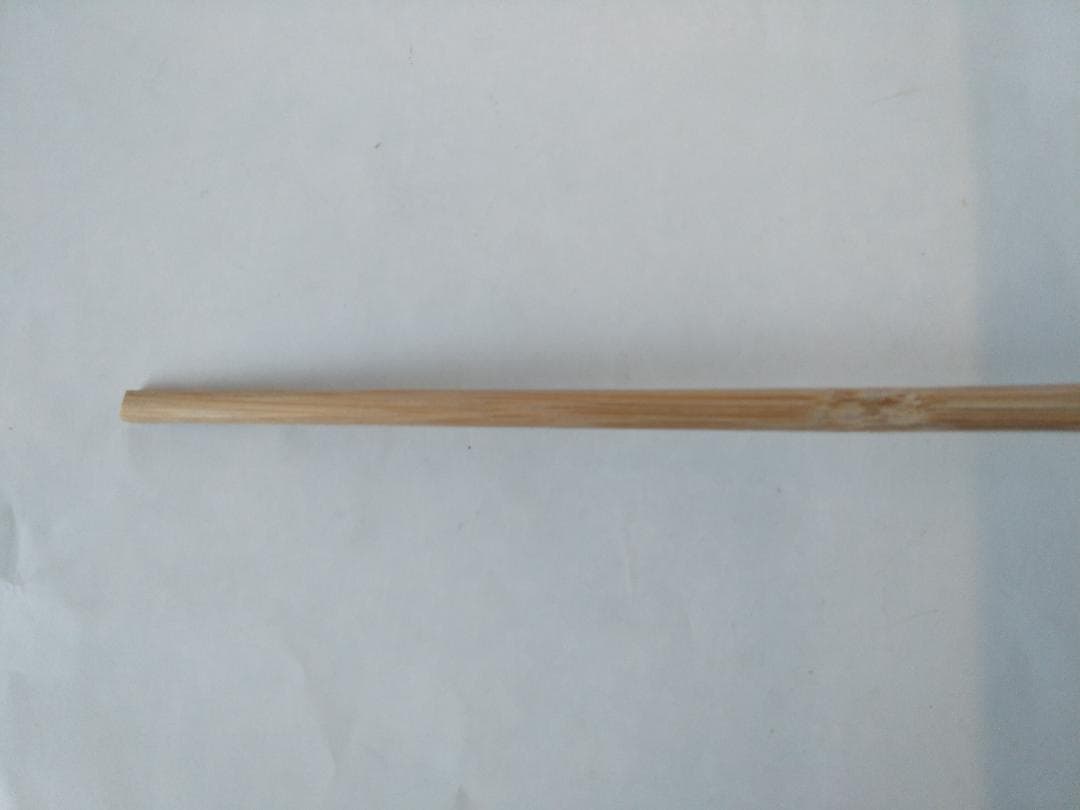
Chashaku Tea Scoop 'Matsukaze' (Wind in the Pines) – Sotan-Gonomi Style – Maeda Sogen – Zuiko-in – Japan
Chashaku Tea Scoop 'Matsukaze' (Wind in the Pines) – Sotan-Gonomi Style – Maeda Sogen – Zuiko-in – Japan
Regular price
Dhs. 930.00 AED
Regular price
Sale price
Dhs. 930.00 AED
Taxes included.
Shipping calculated at checkout.
Discover this exquisite Chashaku Bamboo Tea Scoop in the revered Sotan-Gonomi Style. This Daitoku-ji Temple Tea Utensil bears a Zen Priest Inscription by Maeda Sogen of Zuiko-in and was hand-carved by Tea Scoop Master Sotai, featuring Traditional Bamboo Craft and Arikoshi Node Design — an essential collectible for the discerning Chado Practitioner and Japanese Art Collector.
━━━━━━━━━━━━━━━━━━━━━━
🔹 [ BASIC DETAILS ]
• **Inscription**: Maeda Sogen (前田宗源) — Zuiko-in (瑞光院), Daitoku-ji School
• **Carver**: Sotai (宗泰) — Tea Scoop Master (茶杓師)
• **Mei (銘)**: Matsukaze (松風) — "Wind in the Pines"
• **Style**: Sotan-gonomi-utsushi (宗旦好写) — Replica of a design favored by Sen Sotan (千宗旦)
• **Material**: White bamboo (shirotake) with delicate natural spotting resembling gomadake
• **Era**: Late 20th – Early 21st Century
• **Origin**: Kyoto, Japan — Daitoku-ji Temple lineage
• **Dimensions**: Length approx. 18 cm
• **Box**: Kiri-bako (paulownia wood box) with brush inscription "銘 松風 宗旦好写 大徳寺派 宗源" and two seals on lid interior
• **Bamboo Tube (Tsutsu)**: Inscribed "松風" in ink
• **Condition**: Excellent (美品) — pristine bamboo with clean surface and intact node; box in very good condition
━━━━━━━━━━━━━━━━━━━━━━
🔹 [ CULTURAL & ARTISTIC INSIGHT ]
Sen Sotan (千宗旦, 1578–1658), grandson of Sen no Rikyū, is revered as the patriarch who secured the Rikyū aesthetic for posterity. His taste in tea utensils — known as Sotan-gonomi — emphasized quiet austerity and understated beauty over ostentation. A chashaku made in the Sotan-gonomi style (好写, utsushi) is a deliberate homage to this aesthetic lineage: slender, restrained, and devoid of unnecessary decoration.
Zuiko-in (瑞光院) belongs to the Daitoku-ji school of Rinzai Zen, a lineage intimately connected to the development of chanoyu since the time of Rikyū. When Maeda Sogen inscribes the mei "Matsukaze" and references the Sotan-gonomi tradition, he draws a direct line from Rikyū through Sotan to the present moment — a living thread of transmission.
The bamboo is a pale honey-gold shirotake with subtle natural spotting, giving it a gentle, organic warmth. The node sits centrally in the classic arikoshi position, and the tip tapers to a wide, functional scoop suitable for koicha (thick tea) — a hallmark of the Sotan style.
_Matsukaze — the wind does not touch the pines, yet the pines sing._
━━━━━━━━━━━━━━━━━━━━━━
🔹 [ DEEP-DIVE COMMENTARY ]
The mei "Matsukaze" (松風, Wind in the Pines) resonates on multiple levels within the tea tradition. In the tea room, matsukaze specifically refers to the sound of water singing in the kettle — a gentle boiling that recalls wind passing through a pine grove. This sound is considered the voice of the tea room itself, filling the silence with natural music. For a tea scoop to bear this name is to invoke the entire sensory landscape of the tea gathering.
Beyond the tea room, matsukaze belongs to the broader poetry of Japanese aesthetics. It appears in countless waka and haiku as a symbol of solitary beauty — the wind that sings only through evergreen branches, persisting through all seasons. In Zen, the pine wind is a dharma teaching that requires no teacher: it simply sounds, and those who listen understand.
The collaboration between inscription priest and carving artisan is notable here. Maeda Sogen of Zuiko-in provides the spiritual authority and calligraphic artistry, while Sotai (宗泰), a professional tea scoop master (chashaku-shi), contributes the technical precision of the carving. This pairing of Zen inscription and artisan craft follows a tradition stretching back centuries. The box bears two seal impressions alongside the inscription — confirming the formality and authenticity of the commission.
The Sotan-gonomi designation adds historical depth. By choosing to create a scoop in this style, the artisan and priest together honor a 400-year aesthetic lineage — making this piece not just a tea utensil, but a statement of cultural continuity.
━━━━━━━━━━━━━━━━━━━━━━
🔹 [ SHIPPING & PACKAGING ]
• Dispatch: Within 1-6 business days
• Carrier: Japan Post EMS / UPS (with tracking)
• Packaging: Carefully wrapped with protective materials
🔗 Please review all photos carefully — they form part of the item description.
━━━━━━━━━━━━━━━━━━━━━━
🔹 [ BASIC DETAILS ]
• **Inscription**: Maeda Sogen (前田宗源) — Zuiko-in (瑞光院), Daitoku-ji School
• **Carver**: Sotai (宗泰) — Tea Scoop Master (茶杓師)
• **Mei (銘)**: Matsukaze (松風) — "Wind in the Pines"
• **Style**: Sotan-gonomi-utsushi (宗旦好写) — Replica of a design favored by Sen Sotan (千宗旦)
• **Material**: White bamboo (shirotake) with delicate natural spotting resembling gomadake
• **Era**: Late 20th – Early 21st Century
• **Origin**: Kyoto, Japan — Daitoku-ji Temple lineage
• **Dimensions**: Length approx. 18 cm
• **Box**: Kiri-bako (paulownia wood box) with brush inscription "銘 松風 宗旦好写 大徳寺派 宗源" and two seals on lid interior
• **Bamboo Tube (Tsutsu)**: Inscribed "松風" in ink
• **Condition**: Excellent (美品) — pristine bamboo with clean surface and intact node; box in very good condition
━━━━━━━━━━━━━━━━━━━━━━
🔹 [ CULTURAL & ARTISTIC INSIGHT ]
Sen Sotan (千宗旦, 1578–1658), grandson of Sen no Rikyū, is revered as the patriarch who secured the Rikyū aesthetic for posterity. His taste in tea utensils — known as Sotan-gonomi — emphasized quiet austerity and understated beauty over ostentation. A chashaku made in the Sotan-gonomi style (好写, utsushi) is a deliberate homage to this aesthetic lineage: slender, restrained, and devoid of unnecessary decoration.
Zuiko-in (瑞光院) belongs to the Daitoku-ji school of Rinzai Zen, a lineage intimately connected to the development of chanoyu since the time of Rikyū. When Maeda Sogen inscribes the mei "Matsukaze" and references the Sotan-gonomi tradition, he draws a direct line from Rikyū through Sotan to the present moment — a living thread of transmission.
The bamboo is a pale honey-gold shirotake with subtle natural spotting, giving it a gentle, organic warmth. The node sits centrally in the classic arikoshi position, and the tip tapers to a wide, functional scoop suitable for koicha (thick tea) — a hallmark of the Sotan style.
_Matsukaze — the wind does not touch the pines, yet the pines sing._
━━━━━━━━━━━━━━━━━━━━━━
🔹 [ DEEP-DIVE COMMENTARY ]
The mei "Matsukaze" (松風, Wind in the Pines) resonates on multiple levels within the tea tradition. In the tea room, matsukaze specifically refers to the sound of water singing in the kettle — a gentle boiling that recalls wind passing through a pine grove. This sound is considered the voice of the tea room itself, filling the silence with natural music. For a tea scoop to bear this name is to invoke the entire sensory landscape of the tea gathering.
Beyond the tea room, matsukaze belongs to the broader poetry of Japanese aesthetics. It appears in countless waka and haiku as a symbol of solitary beauty — the wind that sings only through evergreen branches, persisting through all seasons. In Zen, the pine wind is a dharma teaching that requires no teacher: it simply sounds, and those who listen understand.
The collaboration between inscription priest and carving artisan is notable here. Maeda Sogen of Zuiko-in provides the spiritual authority and calligraphic artistry, while Sotai (宗泰), a professional tea scoop master (chashaku-shi), contributes the technical precision of the carving. This pairing of Zen inscription and artisan craft follows a tradition stretching back centuries. The box bears two seal impressions alongside the inscription — confirming the formality and authenticity of the commission.
The Sotan-gonomi designation adds historical depth. By choosing to create a scoop in this style, the artisan and priest together honor a 400-year aesthetic lineage — making this piece not just a tea utensil, but a statement of cultural continuity.
━━━━━━━━━━━━━━━━━━━━━━
🔹 [ SHIPPING & PACKAGING ]
• Dispatch: Within 1-6 business days
• Carrier: Japan Post EMS / UPS (with tracking)
• Packaging: Carefully wrapped with protective materials
🔗 Please review all photos carefully — they form part of the item description.
Quantity
Couldn't load pickup availability
Low stock: 1 left
View full details