1
/
of
13
Celadon Tea Bowl Bamboo Motif Tomura Kiln Hand-Painted Seiji Chawan
Celadon Tea Bowl Bamboo Motif Tomura Kiln Hand-Painted Seiji Chawan
Regular price
Dhs. 716.00 AED
Regular price
Sale price
Dhs. 716.00 AED
Taxes included.
Shipping calculated at checkout.
A celadon tea bowl from Tomura-gama, wrapped in hand-painted bamboo that rises through ice-blue glaze like a grove glimpsed through mist. Overglaze green enamel leaves and teal underglaze culms circle the vessel in continuous motion, while the interior pools to a deep jade stillness. A bowl where botanical painting and celadon tradition meet with quiet conviction.
━━━━━━━━━━━━━━━━━━━━
🔹 [ BASIC DETAILS ]
• Kiln: Tomura-gama (陶村窯)
• Technique: Celadon glaze (青磁) with overglaze enamel bamboo painting
• Era: Showa–Heisei period
• Origin: Japan
• Dimensions: Approx. 12 cm × 7.5 cm (4.7" dia × 3.0" h)
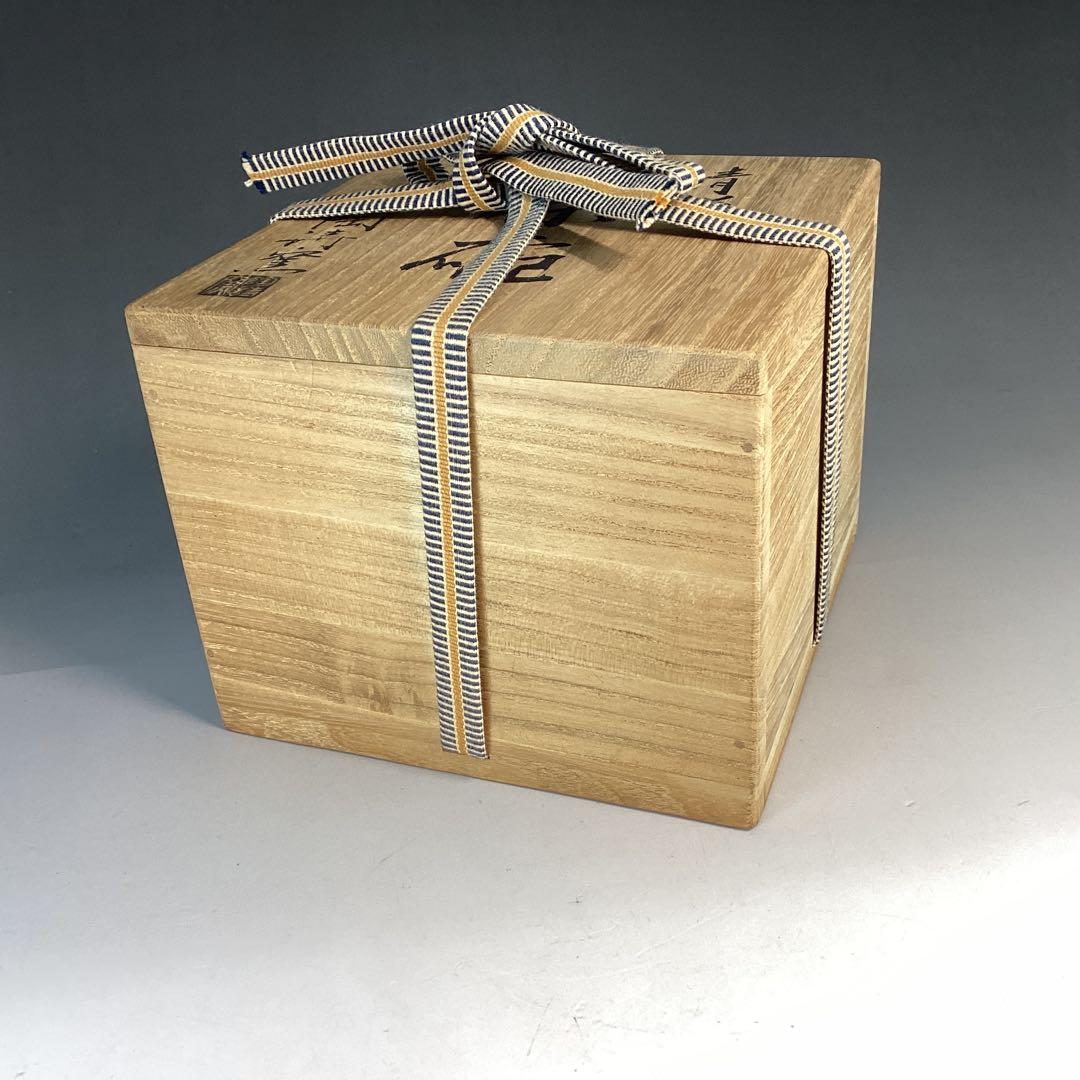
• Box: Paulownia tomobako with kiln inscription and seal, striped cloth tie
• Condition: Excellent — no chips, cracks, or repairs; glaze pristine throughout
━━━━━━━━━━━━━━━━━━━━
🔹 [ CULTURAL & ARTISTIC INSIGHT ]
Celadon — seiji — occupies a position of sustained reverence across East Asian ceramic history. Born in Chinese kilns over a thousand years ago, the technique migrated through Korea and arrived in Japan carrying centuries of accumulated meaning. The color itself became a philosophical statement: neither blue nor green, it exists in the interval between definitions, embodying the kind of ambiguity that Japanese aesthetics has always prized.
Tomura-gama’s interpretation layers a second tradition atop the celadon ground. The bamboo — painted in overglaze green enamel and teal underglaze — wraps the full circumference of the bowl in an unbroken grove. Bamboo is among the oldest symbols in Japanese culture: resilience without rigidity, uprightness that bends. Its presence on a tea bowl is not decoration. It is a statement about the character of the gathering.
The form is rounded and generous, sitting low with quiet stability. The ice-blue exterior gives way to a deeper jade interior where the glaze pools and darkens, creating a natural depth that shifts with the light. The unglazed terracotta foot ring grounds the porcelain body with earthen warmth, a visible reminder of the clay beneath the color.
*"Bamboo does not announce the wind. It simply moves — and we understand."*
━━━━━━━━━━━━━━━━━━━━
🔹 [ DEEP-DIVE COMMENTARY ]
**Layered Painting Technique**: The bamboo motif on this bowl is achieved through at least two firing stages. The teal-green culms are applied in underglaze pigment, fired into the celadon surface and becoming inseparable from it. The brighter green leaves and faint mauve accents at the nodes are then added in overglaze enamel and refired at a lower temperature. This layered approach creates depth — the stalks recede into the glaze while the leaves seem to hover above it, producing a spatial dimension unusual in tea bowl painting.
**Celadon Color Science**: The pale aqua-blue of this bowl’s exterior results from a small percentage of iron oxide in the glaze, reduced in a kiln atmosphere starved of oxygen. The precise shade depends on iron content, kiln temperature, and the duration and intensity of reduction firing. Tomura-gama achieves a particularly luminous, cool-toned celadon here — closer to the “sky after rain” ideal than to the warmer olive tones found in some traditions.
**Interior Pooling**: The bowl’s interior is a deeper, richer celadon — a teal-jade that darkens toward the center where glaze naturally pools during firing. This effect is not applied; it is a consequence of form. The rounded interior collects glaze at its lowest point, and the increased thickness deepens the color. When matcha is whisked in this bowl, the green of the tea against the jade of the glaze creates a chromatic dialogue rooted in the same palette.
**Bamboo in Tea Culture**: The bamboo grove is one of the defining images of East Asian painting and poetry. In tea ceremony, bamboo appears not only in painted motifs but in the construction of the tea room itself — bamboo lattice, bamboo nail, bamboo chasen and chashaku. To use a bamboo-painted chawan is to echo the material vocabulary of the entire practice, creating resonance between utensil and architecture.
━━━━━━━━━━━━━━━━━━━━
🔹 [ 日本語解説 ]
【基本情報】
• 窯元:陶村窯(Tomura-gama)
• 技法:青磁釉+上絵付竹図
• 時代:昭和〜平成期
• 産地:日本
• 寸法:約口径12cm × 高さ7.5cm
• 付属:桐箱(「青磁 茶碗」「陶村窯」印あり)
• 状態:良好 — 傷、ヒビ、直しなし
【解説】
陶村窯による青磁竹図茶碗。淡い氷青色の青磁釉の上に、緑釉と呈色で竹林が描かれた一碗。竹の節には淡い藤色のアクセントが加わり、下絵と上絵の重層的な技法が竹に奥行きを与えている。
内側は深い翡翠色の青磁が溜まり、外側の淡色との対比が美しい。竹図は器面全周に展開し、手に取るたびに異なる表情を見せる。粉引の片身にテラコッタの土見せが記憶のように残り、磁器の精緻さと土の温かみが一碗のなかで共存している。
桐箱には「青磁 茶碗」の箱書きと「陶村窯」の銘、印があり、縞の布紐が付く。
━━━━━━━━━━━━━━━━━━━━
🔹 [ SHIPPING & PACKAGING ]
• Dispatch: Within 1-6 business days
• Carrier: Japan Post EMS / UPS (with tracking)
• Packaging: Carefully wrapped with protective materials
*Where celadon holds still, bamboo keeps moving — and the bowl contains both.*
━━━━━━━━━━━━━━━━━━━━
🔹 [ BASIC DETAILS ]
• Kiln: Tomura-gama (陶村窯)
• Technique: Celadon glaze (青磁) with overglaze enamel bamboo painting
• Era: Showa–Heisei period
• Origin: Japan
• Dimensions: Approx. 12 cm × 7.5 cm (4.7" dia × 3.0" h)
• Box: Paulownia tomobako with kiln inscription and seal, striped cloth tie
• Condition: Excellent — no chips, cracks, or repairs; glaze pristine throughout
━━━━━━━━━━━━━━━━━━━━
🔹 [ CULTURAL & ARTISTIC INSIGHT ]
Celadon — seiji — occupies a position of sustained reverence across East Asian ceramic history. Born in Chinese kilns over a thousand years ago, the technique migrated through Korea and arrived in Japan carrying centuries of accumulated meaning. The color itself became a philosophical statement: neither blue nor green, it exists in the interval between definitions, embodying the kind of ambiguity that Japanese aesthetics has always prized.
Tomura-gama’s interpretation layers a second tradition atop the celadon ground. The bamboo — painted in overglaze green enamel and teal underglaze — wraps the full circumference of the bowl in an unbroken grove. Bamboo is among the oldest symbols in Japanese culture: resilience without rigidity, uprightness that bends. Its presence on a tea bowl is not decoration. It is a statement about the character of the gathering.
The form is rounded and generous, sitting low with quiet stability. The ice-blue exterior gives way to a deeper jade interior where the glaze pools and darkens, creating a natural depth that shifts with the light. The unglazed terracotta foot ring grounds the porcelain body with earthen warmth, a visible reminder of the clay beneath the color.
*"Bamboo does not announce the wind. It simply moves — and we understand."*
━━━━━━━━━━━━━━━━━━━━
🔹 [ DEEP-DIVE COMMENTARY ]
**Layered Painting Technique**: The bamboo motif on this bowl is achieved through at least two firing stages. The teal-green culms are applied in underglaze pigment, fired into the celadon surface and becoming inseparable from it. The brighter green leaves and faint mauve accents at the nodes are then added in overglaze enamel and refired at a lower temperature. This layered approach creates depth — the stalks recede into the glaze while the leaves seem to hover above it, producing a spatial dimension unusual in tea bowl painting.
**Celadon Color Science**: The pale aqua-blue of this bowl’s exterior results from a small percentage of iron oxide in the glaze, reduced in a kiln atmosphere starved of oxygen. The precise shade depends on iron content, kiln temperature, and the duration and intensity of reduction firing. Tomura-gama achieves a particularly luminous, cool-toned celadon here — closer to the “sky after rain” ideal than to the warmer olive tones found in some traditions.
**Interior Pooling**: The bowl’s interior is a deeper, richer celadon — a teal-jade that darkens toward the center where glaze naturally pools during firing. This effect is not applied; it is a consequence of form. The rounded interior collects glaze at its lowest point, and the increased thickness deepens the color. When matcha is whisked in this bowl, the green of the tea against the jade of the glaze creates a chromatic dialogue rooted in the same palette.
**Bamboo in Tea Culture**: The bamboo grove is one of the defining images of East Asian painting and poetry. In tea ceremony, bamboo appears not only in painted motifs but in the construction of the tea room itself — bamboo lattice, bamboo nail, bamboo chasen and chashaku. To use a bamboo-painted chawan is to echo the material vocabulary of the entire practice, creating resonance between utensil and architecture.
━━━━━━━━━━━━━━━━━━━━
🔹 [ 日本語解説 ]
【基本情報】
• 窯元:陶村窯(Tomura-gama)
• 技法:青磁釉+上絵付竹図
• 時代:昭和〜平成期
• 産地:日本
• 寸法:約口径12cm × 高さ7.5cm
• 付属:桐箱(「青磁 茶碗」「陶村窯」印あり)
• 状態:良好 — 傷、ヒビ、直しなし
【解説】
陶村窯による青磁竹図茶碗。淡い氷青色の青磁釉の上に、緑釉と呈色で竹林が描かれた一碗。竹の節には淡い藤色のアクセントが加わり、下絵と上絵の重層的な技法が竹に奥行きを与えている。
内側は深い翡翠色の青磁が溜まり、外側の淡色との対比が美しい。竹図は器面全周に展開し、手に取るたびに異なる表情を見せる。粉引の片身にテラコッタの土見せが記憶のように残り、磁器の精緻さと土の温かみが一碗のなかで共存している。
桐箱には「青磁 茶碗」の箱書きと「陶村窯」の銘、印があり、縞の布紐が付く。
━━━━━━━━━━━━━━━━━━━━
🔹 [ SHIPPING & PACKAGING ]
• Dispatch: Within 1-6 business days
• Carrier: Japan Post EMS / UPS (with tracking)
• Packaging: Carefully wrapped with protective materials
*Where celadon holds still, bamboo keeps moving — and the bowl contains both.*
Quantity
Couldn't load pickup availability
Low stock: 1 left
View full details