1
/
of
9
Blue Oilspot Tenmoku Tea Bowl by Takagi Hiroshi - Aoryu Yutekiten Chawan from Hiroshi Kiln - Japanese Matcha Bowl with Signed Tomobako
Blue Oilspot Tenmoku Tea Bowl by Takagi Hiroshi - Aoryu Yutekiten Chawan from Hiroshi Kiln - Japanese Matcha Bowl with Signed Tomobako
Regular price
Dhs. 1,034.00 AED
Regular price
Sale price
Dhs. 1,034.00 AED
Taxes included.
Shipping calculated at checkout.
Experience authentic Japanese tea culture with this Blue Oilspot Tenmoku Tea Bowl by Takagi Hiroshi. This Japanese Matcha Bowl serves as a Yutekiten Chawan masterpiece and Contemporary Tenmoku Ceramic, featuring Aoryu Cobalt Glaze artistry and Silver Oilspot Crystallization—a must-have for any Art Collector seeking authentic Zen Tea Accessories.
━━━━━━━━━━━━━━━━━━━━
🔹 [ BASIC DETAILS ]
• Artist: Takagi Hiroshi (高木廣司), Hiroshi Kiln (廣司窯)
• Technique: Aoryu yutekiten (blue cascading oilspot tenmoku) with iron crystalline silver-blue spots over deep black ground
• Era: Heisei-Reiwa period (contemporary, late 20th–early 21st century)
• Origin: Japan – contemporary tenmoku tradition
• Dimensions: Diameter approx. 13.2 cm × Height approx. 7 cm (5.2" × 2.8")
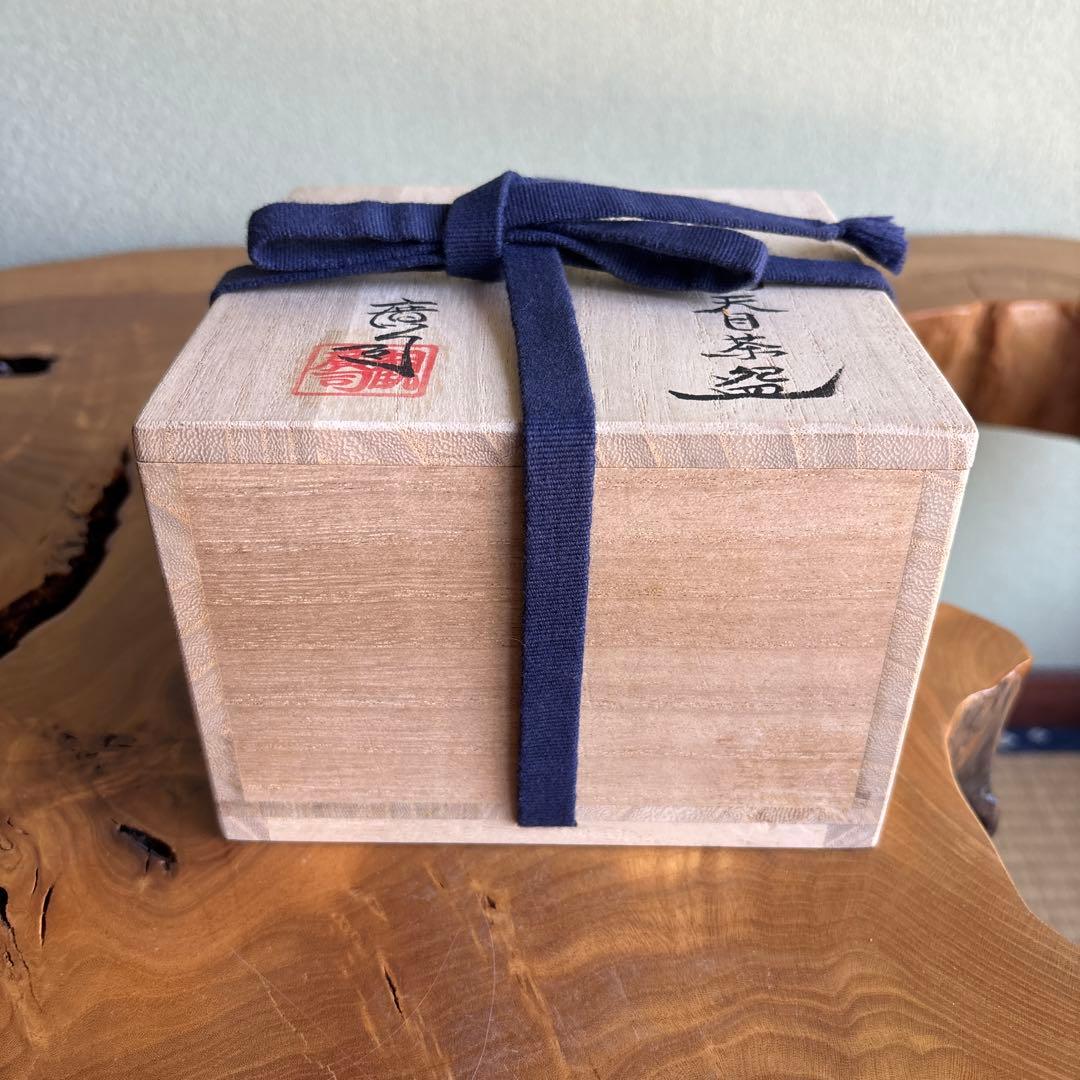
• Box: Tomobako (artist-signed wooden box with red kiln seal)
• Condition: Pristine – no cracks, chips, or repairs
━━━━━━━━━━━━━━━━━━━━
🔹 [ CULTURAL & ARTISTIC INSIGHT ]
Yutekiten (油滴天目) – the "oilspot" tenmoku – is one of the most technically uncompromising glazes in the East Asian ceramic vocabulary. First perfected at the Jian kilns of Fujian during the Song dynasty, it travelled to Japan with Chan monks where it became the bowl of choice for the highest registers of medieval tea practice. To this day, the production of true crystallised oilspots remains a feat that depends on iron-saturated glaze chemistry and a kiln atmosphere held within a window of only a few degrees. Most attempts produce only mottling. Genuine, fully formed silver droplets are uncommon enough to be named.
Takagi Hiroshi has taken this thousand-year tradition into a register that the Song masters never accessed. Where classical yutekiten resolves in silver and gold against black, his aoryu (青流, "blue current") variant pulls the spots toward a deep cobalt indigo, then loosens the field into vertical streams that pour from rim to foot like ink dropped into water. The interior, especially, opens into a kind of contained galaxy.
*"In the kiln's last breath, iron remembered it could also be a sky."*
━━━━━━━━━━━━━━━━━━━━
🔹 [ DEEP-DIVE COMMENTARY ]
**The Tenmoku Inheritance**: The word tenmoku takes its name from Mt. Tianmu (天目山) in Zhejiang, where Japanese monks in the 12th–13th centuries first encountered these dark Jian-ware bowls and brought them home. Together with hare's-fur (yohen) and partridge-feather (uzura) variants, oilspot stood at the apex of medieval tea-bowl ranking. Many of the surviving Song originals are designated National Treasures in Japan.
**The Aoryu Innovation**: Takagi Hiroshi's signature is the way the silver oilspots refuse to stay still. Rather than crystallising as discrete dots, they pull and elongate into vertical streams – aoryu, blue currents – that suggest movement frozen in glass. Achieving this requires precise control of glaze viscosity at peak temperature; the firing window is unforgiving, and most bowls do not survive the cycle.
**The Interior**: Look into this bowl from above. The well opens into a near-three-dimensional landscape of deep-water blue, scattered with luminous spots that catch the light differently from every angle. In matcha practice, the crema floats over this ground like cloud over a night ocean.
**Contemporary Standing**: Among living Japanese ceramicists working in the tenmoku register, blue-current variants are particularly sought by Western collectors and museums, precisely because they bridge a deeply traditional vocabulary with an unmistakably modern visual register. This is a study piece as much as a tea bowl.
━━━━━━━━━━━━━━━━━━━━
🔹 [ 日本語解説 ]
【基本情報】
• 作家:高木廣司(廣司窯)
• 技法:青流油滴天目 - 黒地に銀の油滴と青の流釉
• 時代:平成〜令和
• 産地:日本(現代天目作家)
• 寸法:直径約13.2cm × 高さ約7cm
• 付属:共箱(朱印あり)
• 状態:極上(ヒビ・カケなし)
【解説】
油滴天目は、宋代福建の建窯で完成された技法で、中世日本の禅僧によって持ち帰られて以降、最高位の茶碗として珍重されてきました。鉄飽和釉の結晶を狙う厳格な焼成条件のため、本来の油滴が現れる窯出しは少なく、現代でも作家の力量を直接問う釉といわれます。
本作は、現代作家・高木廣司による「青流」の独創。黒地に銀の油滴を結晶させるだけでなく、釉を流動させて青い縦の筋に変換するという、宋の名工が手にし得なかった現代的解釈です。見込みは特に圧巻で、覗き込むと深海と夜空が同時に立ち上がるような奥行きを持ちます。茶を点てたときの白い泡が、夜の海に浮かぶ月のように映る一椀です。状態極上、共箱完備。コレクションの核となる現代天目の作家物として推奨します。
━━━━━━━━━━━━━━━━━━━━
🔹 [ SHIPPING & PACKAGING ]
• Dispatch: Within 1-6 business days
• Carrier: Japan Post EMS / UPS (with tracking)
• Packaging: Carefully wrapped with protective materials
*Look long enough into a yutekiten well, and you stop calling it a glaze and start calling it weather.*
━━━━━━━━━━━━━━━━━━━━
🔹 [ BASIC DETAILS ]
• Artist: Takagi Hiroshi (高木廣司), Hiroshi Kiln (廣司窯)
• Technique: Aoryu yutekiten (blue cascading oilspot tenmoku) with iron crystalline silver-blue spots over deep black ground
• Era: Heisei-Reiwa period (contemporary, late 20th–early 21st century)
• Origin: Japan – contemporary tenmoku tradition
• Dimensions: Diameter approx. 13.2 cm × Height approx. 7 cm (5.2" × 2.8")
• Box: Tomobako (artist-signed wooden box with red kiln seal)
• Condition: Pristine – no cracks, chips, or repairs
━━━━━━━━━━━━━━━━━━━━
🔹 [ CULTURAL & ARTISTIC INSIGHT ]
Yutekiten (油滴天目) – the "oilspot" tenmoku – is one of the most technically uncompromising glazes in the East Asian ceramic vocabulary. First perfected at the Jian kilns of Fujian during the Song dynasty, it travelled to Japan with Chan monks where it became the bowl of choice for the highest registers of medieval tea practice. To this day, the production of true crystallised oilspots remains a feat that depends on iron-saturated glaze chemistry and a kiln atmosphere held within a window of only a few degrees. Most attempts produce only mottling. Genuine, fully formed silver droplets are uncommon enough to be named.
Takagi Hiroshi has taken this thousand-year tradition into a register that the Song masters never accessed. Where classical yutekiten resolves in silver and gold against black, his aoryu (青流, "blue current") variant pulls the spots toward a deep cobalt indigo, then loosens the field into vertical streams that pour from rim to foot like ink dropped into water. The interior, especially, opens into a kind of contained galaxy.
*"In the kiln's last breath, iron remembered it could also be a sky."*
━━━━━━━━━━━━━━━━━━━━
🔹 [ DEEP-DIVE COMMENTARY ]
**The Tenmoku Inheritance**: The word tenmoku takes its name from Mt. Tianmu (天目山) in Zhejiang, where Japanese monks in the 12th–13th centuries first encountered these dark Jian-ware bowls and brought them home. Together with hare's-fur (yohen) and partridge-feather (uzura) variants, oilspot stood at the apex of medieval tea-bowl ranking. Many of the surviving Song originals are designated National Treasures in Japan.
**The Aoryu Innovation**: Takagi Hiroshi's signature is the way the silver oilspots refuse to stay still. Rather than crystallising as discrete dots, they pull and elongate into vertical streams – aoryu, blue currents – that suggest movement frozen in glass. Achieving this requires precise control of glaze viscosity at peak temperature; the firing window is unforgiving, and most bowls do not survive the cycle.
**The Interior**: Look into this bowl from above. The well opens into a near-three-dimensional landscape of deep-water blue, scattered with luminous spots that catch the light differently from every angle. In matcha practice, the crema floats over this ground like cloud over a night ocean.
**Contemporary Standing**: Among living Japanese ceramicists working in the tenmoku register, blue-current variants are particularly sought by Western collectors and museums, precisely because they bridge a deeply traditional vocabulary with an unmistakably modern visual register. This is a study piece as much as a tea bowl.
━━━━━━━━━━━━━━━━━━━━
🔹 [ 日本語解説 ]
【基本情報】
• 作家:高木廣司(廣司窯)
• 技法:青流油滴天目 - 黒地に銀の油滴と青の流釉
• 時代:平成〜令和
• 産地:日本(現代天目作家)
• 寸法:直径約13.2cm × 高さ約7cm
• 付属:共箱(朱印あり)
• 状態:極上(ヒビ・カケなし)
【解説】
油滴天目は、宋代福建の建窯で完成された技法で、中世日本の禅僧によって持ち帰られて以降、最高位の茶碗として珍重されてきました。鉄飽和釉の結晶を狙う厳格な焼成条件のため、本来の油滴が現れる窯出しは少なく、現代でも作家の力量を直接問う釉といわれます。
本作は、現代作家・高木廣司による「青流」の独創。黒地に銀の油滴を結晶させるだけでなく、釉を流動させて青い縦の筋に変換するという、宋の名工が手にし得なかった現代的解釈です。見込みは特に圧巻で、覗き込むと深海と夜空が同時に立ち上がるような奥行きを持ちます。茶を点てたときの白い泡が、夜の海に浮かぶ月のように映る一椀です。状態極上、共箱完備。コレクションの核となる現代天目の作家物として推奨します。
━━━━━━━━━━━━━━━━━━━━
🔹 [ SHIPPING & PACKAGING ]
• Dispatch: Within 1-6 business days
• Carrier: Japan Post EMS / UPS (with tracking)
• Packaging: Carefully wrapped with protective materials
*Look long enough into a yutekiten well, and you stop calling it a glaze and start calling it weather.*
Quantity
Couldn't load pickup availability
Low stock: 1 left
View full details