1
/
of
10
Black Raku Tea Bowl — 2nd Gen. Ogawa Choraku, 70th Commemorative
Black Raku Tea Bowl — 2nd Gen. Ogawa Choraku, 70th Commemorative
Regular price
Dhs. 5,255.00 AED
Regular price
Sale price
Dhs. 5,255.00 AED
Taxes included.
Shipping calculated at checkout.
Experience authentic Japanese tea culture with this Black Raku Tea Bowl by 2nd Generation Ogawa Choraku — a hand-shaped commemorative piece marking the artist's 70th year, carrying the density of intention that defines a life devoted to fire and clay.
━━━━━━━━━━━━━━━━━━━━
🔹 [ BASIC DETAILS ]
• Artist: 2nd Generation Ogawa Choraku (二代 小川長楽)
• Technique: Kuro-Raku (黒楽) — hand-shaped (tezukune), low-fire reduction
• Era: Contemporary — Koki-kinen (古希記念 / 70th birthday commemorative)
• Origin: Kyoto, Japan
• Dimensions: 11.9 cm × 7.8 cm (4.7" × 3.1")
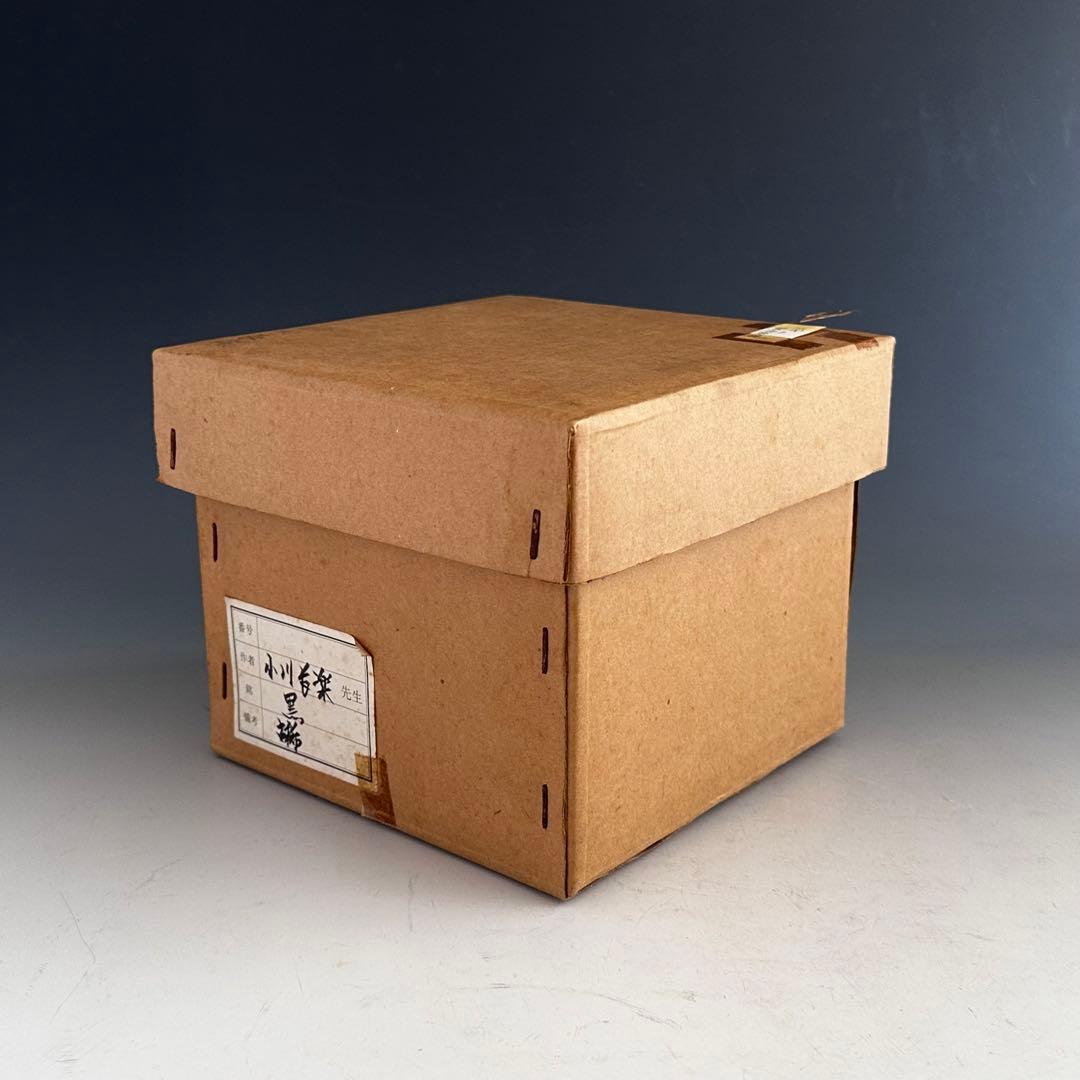
• Box: Signed wooden box (tomobako) — 長楽 signature with circular 楽 seal, 古希記念 inscription
• Condition: Excellent — no chips, cracks, or repairs
━━━━━━━━━━━━━━━━━━━━
🔹 [ CULTURAL & ARTISTIC INSIGHT ]
Black Raku is where the Japanese tea bowl begins. When Chojiro shaped the first raku bowls under Sen no Rikyu's guidance in the 16th century, he established a form language that has never been surpassed — only continued. Every kuro-raku bowl made since exists in conversation with that origin. This bowl by 2nd Generation Ogawa Choraku enters that conversation with authority.
The Ogawa Choraku lineage operates within the broader Raku tradition while maintaining its own distinct voice. Where the main Raku family line carries the weight of direct succession, the Choraku line has earned its standing through sustained, independent mastery across generations. The "2nd Generation" designation is not merely biographical — it marks the continuation of a studio's accumulated knowledge and aesthetic refinement.
This bowl is inscribed 古希記念 (koki-kinen) — a piece made to commemorate the artist's 70th birthday. In Japanese craft tradition, milestone commemorative works carry particular cultural weight. They are not produced casually. A potter at seventy has nothing left to prove and nothing to hide. The bowl made at that threshold tends to be the most honest object in the kiln.
*"A black raku bowl does not reflect light. It holds it — and returns only what the room already knows."*
━━━━━━━━━━━━━━━━━━━━
🔹 [ DEEP-DIVE COMMENTARY ]
**Kuro-Raku Technique**: Black Raku ware is pulled from the kiln at peak temperature (approximately 1000°C) and rapidly cooled. This thermal shock, combined with a lead-based or iron-oxide glaze fired in reduction atmosphere, produces the dense, jet-black surface that defines the tradition. The glaze is not painted on — it is forged through controlled violence between fire and air. Each extraction from the kiln is a single decisive act.
**Tezukune (Hand-Shaped Form)**: This bowl was shaped entirely by hand, without a potter's wheel. Every contour — the irregular rim (guchi), the subtle asymmetry of the walls, the weight distribution in the palm — is the direct record of the maker's hands. The tezukune method is foundational to Raku ware: it preserves the evidence of human gesture that wheel-throwing erases.
**Sensuji and Guchi**: The horizontal groove (sensuji / 千筋) incised at the bowl's mid-body creates a visual and tactile division between upper and lower registers. Above: the irregular rim undulates with intentional asymmetry. Below: the body grounds itself toward the foot. These are not decorative choices — they are structural decisions about how the bowl meets the hand, the lip, and the eye.
**Koki-Kinen (古希記念)**: The term koki refers to reaching 70 years of age, drawn from a Du Fu poem: "Since ancient times, few have reached seventy." A koki-kinen piece is created at a moment when craft and life converge. The bowl carries not only technical mastery but the full emotional silence of a practice sustained across decades. It is an object made by someone who understands, finally, what to leave out.
━━━━━━━━━━━━━━━━━━━━
🔹 [ 日本語解説 ]
【基本情報】
• 作家:二代 小川長楽
• 技法:黒楽・手捏ね(てづくね)
• 産地:京都
• 寸法:11.9 cm × 7.8 cm
• 付属:共箱(長楽 署名・丸楽印・古希記念 銘)
• 状態:良好 — 傷、欠け、直しなし
【解説】
黒楽茶碗は、千利休と長次郎が確立した茶陶の原点です。本作は二代小川長楽による古希記念作品であり、七十歳という節目に焼かれた特別な一碗です。
小川長楽家は楽家本流とは異なる独立した系譜でありながら、黒楽の本質 — 手捏ねによる成形、還元焼成による漆黒の釉、引き出しによる急冷 — を忠実に受け継いでいます。胴の千筋(横溝)は視覚と触覚に区切りを与え、口縁の歪みは手取りに変化をもたらします。
古希記念とは、杜甫の詩「人生七十古来稀なり」に由来する言葉です。七十年の歳月を経た作り手が、何を残し何を削るかを知り尽くした上で生み出した碗 — その静かな重みが、この茶碗の本質です。
━━━━━━━━━━━━━━━━━━━━
🔹 [ SHIPPING & PACKAGING ]
• Dispatch: Within 1-6 business days
• Carrier: Japan Post EMS / UPS (with tracking)
• Packaging: Carefully wrapped with protective materials
*A bowl shaped at seventy — when the hands know what to leave out, and the black holds everything that remains.*
━━━━━━━━━━━━━━━━━━━━
🔹 [ BASIC DETAILS ]
• Artist: 2nd Generation Ogawa Choraku (二代 小川長楽)
• Technique: Kuro-Raku (黒楽) — hand-shaped (tezukune), low-fire reduction
• Era: Contemporary — Koki-kinen (古希記念 / 70th birthday commemorative)
• Origin: Kyoto, Japan
• Dimensions: 11.9 cm × 7.8 cm (4.7" × 3.1")
• Box: Signed wooden box (tomobako) — 長楽 signature with circular 楽 seal, 古希記念 inscription
• Condition: Excellent — no chips, cracks, or repairs
━━━━━━━━━━━━━━━━━━━━
🔹 [ CULTURAL & ARTISTIC INSIGHT ]
Black Raku is where the Japanese tea bowl begins. When Chojiro shaped the first raku bowls under Sen no Rikyu's guidance in the 16th century, he established a form language that has never been surpassed — only continued. Every kuro-raku bowl made since exists in conversation with that origin. This bowl by 2nd Generation Ogawa Choraku enters that conversation with authority.
The Ogawa Choraku lineage operates within the broader Raku tradition while maintaining its own distinct voice. Where the main Raku family line carries the weight of direct succession, the Choraku line has earned its standing through sustained, independent mastery across generations. The "2nd Generation" designation is not merely biographical — it marks the continuation of a studio's accumulated knowledge and aesthetic refinement.
This bowl is inscribed 古希記念 (koki-kinen) — a piece made to commemorate the artist's 70th birthday. In Japanese craft tradition, milestone commemorative works carry particular cultural weight. They are not produced casually. A potter at seventy has nothing left to prove and nothing to hide. The bowl made at that threshold tends to be the most honest object in the kiln.
*"A black raku bowl does not reflect light. It holds it — and returns only what the room already knows."*
━━━━━━━━━━━━━━━━━━━━
🔹 [ DEEP-DIVE COMMENTARY ]
**Kuro-Raku Technique**: Black Raku ware is pulled from the kiln at peak temperature (approximately 1000°C) and rapidly cooled. This thermal shock, combined with a lead-based or iron-oxide glaze fired in reduction atmosphere, produces the dense, jet-black surface that defines the tradition. The glaze is not painted on — it is forged through controlled violence between fire and air. Each extraction from the kiln is a single decisive act.
**Tezukune (Hand-Shaped Form)**: This bowl was shaped entirely by hand, without a potter's wheel. Every contour — the irregular rim (guchi), the subtle asymmetry of the walls, the weight distribution in the palm — is the direct record of the maker's hands. The tezukune method is foundational to Raku ware: it preserves the evidence of human gesture that wheel-throwing erases.
**Sensuji and Guchi**: The horizontal groove (sensuji / 千筋) incised at the bowl's mid-body creates a visual and tactile division between upper and lower registers. Above: the irregular rim undulates with intentional asymmetry. Below: the body grounds itself toward the foot. These are not decorative choices — they are structural decisions about how the bowl meets the hand, the lip, and the eye.
**Koki-Kinen (古希記念)**: The term koki refers to reaching 70 years of age, drawn from a Du Fu poem: "Since ancient times, few have reached seventy." A koki-kinen piece is created at a moment when craft and life converge. The bowl carries not only technical mastery but the full emotional silence of a practice sustained across decades. It is an object made by someone who understands, finally, what to leave out.
━━━━━━━━━━━━━━━━━━━━
🔹 [ 日本語解説 ]
【基本情報】
• 作家:二代 小川長楽
• 技法:黒楽・手捏ね(てづくね)
• 産地:京都
• 寸法:11.9 cm × 7.8 cm
• 付属:共箱(長楽 署名・丸楽印・古希記念 銘)
• 状態:良好 — 傷、欠け、直しなし
【解説】
黒楽茶碗は、千利休と長次郎が確立した茶陶の原点です。本作は二代小川長楽による古希記念作品であり、七十歳という節目に焼かれた特別な一碗です。
小川長楽家は楽家本流とは異なる独立した系譜でありながら、黒楽の本質 — 手捏ねによる成形、還元焼成による漆黒の釉、引き出しによる急冷 — を忠実に受け継いでいます。胴の千筋(横溝)は視覚と触覚に区切りを与え、口縁の歪みは手取りに変化をもたらします。
古希記念とは、杜甫の詩「人生七十古来稀なり」に由来する言葉です。七十年の歳月を経た作り手が、何を残し何を削るかを知り尽くした上で生み出した碗 — その静かな重みが、この茶碗の本質です。
━━━━━━━━━━━━━━━━━━━━
🔹 [ SHIPPING & PACKAGING ]
• Dispatch: Within 1-6 business days
• Carrier: Japan Post EMS / UPS (with tracking)
• Packaging: Carefully wrapped with protective materials
*A bowl shaped at seventy — when the hands know what to leave out, and the black holds everything that remains.*
Quantity
Couldn't load pickup availability
Low stock: 1 left
View full details