1
/
of
9
Black Raku Shiho Tea Bowl Mt Fuji Sasaki Teruo Murasakino Kirai Kiln
Black Raku Shiho Tea Bowl Mt Fuji Sasaki Teruo Murasakino Kirai Kiln
Regular price
Dhs. 2,120.00 AED
Regular price
Sale price
Dhs. 2,120.00 AED
Taxes included.
Shipping calculated at checkout.
A black Raku tea bowl in the shiho (four-sided) form by Sasaki Teruo of the Kirai kiln, Murasakino ware lineage. A painted Mt. Fuji motif emerges from the dark glaze in golden sand tones — the sacred mountain rendered as apparition rather than illustration. Hand-built clay shaped into a squared-mouth vessel where Zen emptiness and Japanese iconography converge in a single firing.
━━━━━━━━━━━━━━━━━━━━
🔹 [ BASIC DETAILS ]
• Artist: Sasaki Teruo (佐々木輝夫) — Kirai kiln (帰来窯)
• Technique: Black Raku (黒楽) — hand-built, low-fire rapid cooling
• Era: Heisei period
• Origin: Kameoka / Murasakino tradition, Japan
• Dimensions: 12.0 cm × 8.5 cm (4.7" dia × 3.3" h)
• Box: Tomobako signed "不二ノ絵 四方 茶碗 紫野焼 輝夫" with seal
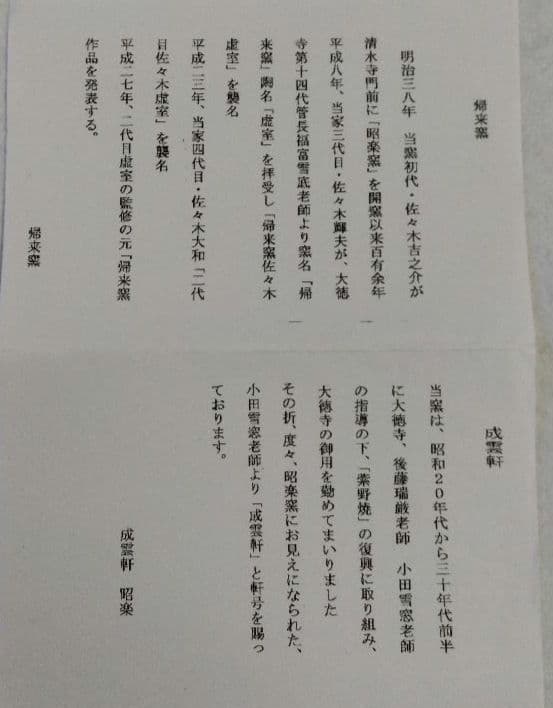
• Includes: Artist CV and kiln history document
• Condition: Excellent — no chips, cracks, or repairs; glaze fully intact
━━━━━━━━━━━━━━━━━━━━
🔹 [ CULTURAL & ARTISTIC INSIGHT ]
The shiho — four-sided — form is among the most demanding shapes in Raku tea bowl making. Where the standard round bowl follows the natural tendency of clay, the shiho requires the potter to impose geometry upon an inherently organic material. The squared mouth creates four subtle corners, each one a point of tension between the maker’s intent and the clay’s memory. Sasaki Teruo navigates this tension with evident command.
The Mt. Fuji motif (不二ノ絵) carries centuries of accumulated meaning in Japanese art. Fuji is not merely a mountain — it is the axis mundi of the Japanese landscape imagination, a form so culturally saturated that every rendering must reckon with all those that came before. Sasaki’s approach is restraint itself: the mountain appears as a band of sandy, unglazed clay exposed through the dark Raku surface, its silhouette emerging as geological fact rather than painted ornament.
The Kirai kiln descends from a lineage connected to Daitoku-ji temple and the Murasakino ceramic tradition. The name “Kirai” (帰来) carries Zen resonance — “return” or “homecoming” — and the kiln’s work reflects a consistent return to fundamentals: hand-building, direct firing, and the primacy of clay and flame.
*“The mountain does not arrive. It was always there — waiting beneath the glaze for the fire to reveal it.”*
━━━━━━━━━━━━━━━━━━━━
🔹 [ DEEP-DIVE COMMENTARY ]
**Murasakino Ware**: Murasakino — named for the historic district near Daitoku-ji in Kyoto — represents a ceramic lineage inseparable from Zen tea culture. The Sasaki family’s connection to this tradition spans three generations, beginning with the founder who studied under masters of the classical Raku technique before establishing the Kirai kiln in Kameoka. The accompanying documentation traces this lineage in detail, confirming the workshop’s ongoing dialogue with Daitoku-ji’s tea practices.
**The Unglazed Fuji Band**: The Mt. Fuji motif is achieved not by painting atop the glaze, but by reserving an area of raw clay body before the black glaze is applied. This technique integrates the mountain into the material structure of the bowl itself — Fuji is not decoration applied to a surface but a geological event within the clay. The sandy, granular texture of the exposed body contrasts with the glossy darkness surrounding it, creating depth through material rather than pigment.
**Foot and Seal**: The underside reveals a generous sandy foot with a spiral keshiki — the trace of the potter’s hand shaping the base. A round impressed seal sits beside the spiral, small but decisive. The foot’s rough, unglazed character provides the tactile counterpoint that black Raku bowls demand: smoothness above, earth below.
**Koshitsu — The Empty Room**: The Zen concept of “koshitsu” (虚室) — empty room — appears in the calligraphy associated with this bowl. In Zen thought, emptiness is not absence but potential. The squared mouth of this shiho bowl frames a dark interior that embodies this principle: a contained void, ready to receive tea, light, and the attention of the one who holds it.
━━━━━━━━━━━━━━━━━━━━
🔹 [ 日本語解説 ]
【基本情報】
• 作家:佐々木輝夫(帰来窯)
• 技法:黒楽(手捻り・低火度急冷)
• 時代:平成
• 産地:亀岡/紫野焼の伝統
• 寸法:口径約12.0cm × 高さ約8.5cm
• 付属:共箱(「不二ノ絵 四方 茶碗 紫野焼 輝夫」箱書・印)、作歴・窯歴書
• 状態:良好 — 傷・ヒビ・直しなし
【解説】
佐々木輝夫作、帰来窯による黒楽四方茶碗。漆黒の釉薬の中から砂色の素地で不二の山が浮かび上がる。描き加えたのではなく、釉を控えることで山容を出現させる手法——山は土の中に元からあったと言わんばかりである。
四方形は楽茶碗の中でも特に高度な造形である。手捻りの土に幾何学的な緊張を与える四つの角は、作り手の意志と土の記憶のせめぎ合いを物語る。見込の深い黒の内部は、「虚室」の禅的概念——空であるがゆえに充たされうる器——を体現している。
帰来窯は明治三十八年に初代・佐々木吉之介が開窯。大徳寺清水門前での楽焼製作を経て亀岡に移り、現在に至る。輝夫氏は三代にわたる楽焼の道を継承し、古典的な型を基盤としながら独創性のある作風を確立した作家である。
━━━━━━━━━━━━━━━━━━━━
🔹 [ SHIPPING & PACKAGING ]
• Dispatch: Within 1-6 business days
• Carrier: Japan Post EMS / UPS (with tracking)
• Packaging: Carefully wrapped with protective materials
*Where the mountain meets the void, the tea room holds its breath.*
━━━━━━━━━━━━━━━━━━━━
🔹 [ BASIC DETAILS ]
• Artist: Sasaki Teruo (佐々木輝夫) — Kirai kiln (帰来窯)
• Technique: Black Raku (黒楽) — hand-built, low-fire rapid cooling
• Era: Heisei period
• Origin: Kameoka / Murasakino tradition, Japan
• Dimensions: 12.0 cm × 8.5 cm (4.7" dia × 3.3" h)
• Box: Tomobako signed "不二ノ絵 四方 茶碗 紫野焼 輝夫" with seal
• Includes: Artist CV and kiln history document
• Condition: Excellent — no chips, cracks, or repairs; glaze fully intact
━━━━━━━━━━━━━━━━━━━━
🔹 [ CULTURAL & ARTISTIC INSIGHT ]
The shiho — four-sided — form is among the most demanding shapes in Raku tea bowl making. Where the standard round bowl follows the natural tendency of clay, the shiho requires the potter to impose geometry upon an inherently organic material. The squared mouth creates four subtle corners, each one a point of tension between the maker’s intent and the clay’s memory. Sasaki Teruo navigates this tension with evident command.
The Mt. Fuji motif (不二ノ絵) carries centuries of accumulated meaning in Japanese art. Fuji is not merely a mountain — it is the axis mundi of the Japanese landscape imagination, a form so culturally saturated that every rendering must reckon with all those that came before. Sasaki’s approach is restraint itself: the mountain appears as a band of sandy, unglazed clay exposed through the dark Raku surface, its silhouette emerging as geological fact rather than painted ornament.
The Kirai kiln descends from a lineage connected to Daitoku-ji temple and the Murasakino ceramic tradition. The name “Kirai” (帰来) carries Zen resonance — “return” or “homecoming” — and the kiln’s work reflects a consistent return to fundamentals: hand-building, direct firing, and the primacy of clay and flame.
*“The mountain does not arrive. It was always there — waiting beneath the glaze for the fire to reveal it.”*
━━━━━━━━━━━━━━━━━━━━
🔹 [ DEEP-DIVE COMMENTARY ]
**Murasakino Ware**: Murasakino — named for the historic district near Daitoku-ji in Kyoto — represents a ceramic lineage inseparable from Zen tea culture. The Sasaki family’s connection to this tradition spans three generations, beginning with the founder who studied under masters of the classical Raku technique before establishing the Kirai kiln in Kameoka. The accompanying documentation traces this lineage in detail, confirming the workshop’s ongoing dialogue with Daitoku-ji’s tea practices.
**The Unglazed Fuji Band**: The Mt. Fuji motif is achieved not by painting atop the glaze, but by reserving an area of raw clay body before the black glaze is applied. This technique integrates the mountain into the material structure of the bowl itself — Fuji is not decoration applied to a surface but a geological event within the clay. The sandy, granular texture of the exposed body contrasts with the glossy darkness surrounding it, creating depth through material rather than pigment.
**Foot and Seal**: The underside reveals a generous sandy foot with a spiral keshiki — the trace of the potter’s hand shaping the base. A round impressed seal sits beside the spiral, small but decisive. The foot’s rough, unglazed character provides the tactile counterpoint that black Raku bowls demand: smoothness above, earth below.
**Koshitsu — The Empty Room**: The Zen concept of “koshitsu” (虚室) — empty room — appears in the calligraphy associated with this bowl. In Zen thought, emptiness is not absence but potential. The squared mouth of this shiho bowl frames a dark interior that embodies this principle: a contained void, ready to receive tea, light, and the attention of the one who holds it.
━━━━━━━━━━━━━━━━━━━━
🔹 [ 日本語解説 ]
【基本情報】
• 作家:佐々木輝夫(帰来窯)
• 技法:黒楽(手捻り・低火度急冷)
• 時代:平成
• 産地:亀岡/紫野焼の伝統
• 寸法:口径約12.0cm × 高さ約8.5cm
• 付属:共箱(「不二ノ絵 四方 茶碗 紫野焼 輝夫」箱書・印)、作歴・窯歴書
• 状態:良好 — 傷・ヒビ・直しなし
【解説】
佐々木輝夫作、帰来窯による黒楽四方茶碗。漆黒の釉薬の中から砂色の素地で不二の山が浮かび上がる。描き加えたのではなく、釉を控えることで山容を出現させる手法——山は土の中に元からあったと言わんばかりである。
四方形は楽茶碗の中でも特に高度な造形である。手捻りの土に幾何学的な緊張を与える四つの角は、作り手の意志と土の記憶のせめぎ合いを物語る。見込の深い黒の内部は、「虚室」の禅的概念——空であるがゆえに充たされうる器——を体現している。
帰来窯は明治三十八年に初代・佐々木吉之介が開窯。大徳寺清水門前での楽焼製作を経て亀岡に移り、現在に至る。輝夫氏は三代にわたる楽焼の道を継承し、古典的な型を基盤としながら独創性のある作風を確立した作家である。
━━━━━━━━━━━━━━━━━━━━
🔹 [ SHIPPING & PACKAGING ]
• Dispatch: Within 1-6 business days
• Carrier: Japan Post EMS / UPS (with tracking)
• Packaging: Carefully wrapped with protective materials
*Where the mountain meets the void, the tea room holds its breath.*
Quantity
Couldn't load pickup availability
Low stock: 1 left
View full details