1
/
of
10
Black-Glaze Chawan by Izumo Banshozan-gama — Nogi Hakeme, Signed Box
Black-Glaze Chawan by Izumo Banshozan-gama — Nogi Hakeme, Signed Box
Regular price
Dhs. 730.00 AED
Regular price
Sale price
Dhs. 730.00 AED
Taxes included.
Shipping calculated at checkout.
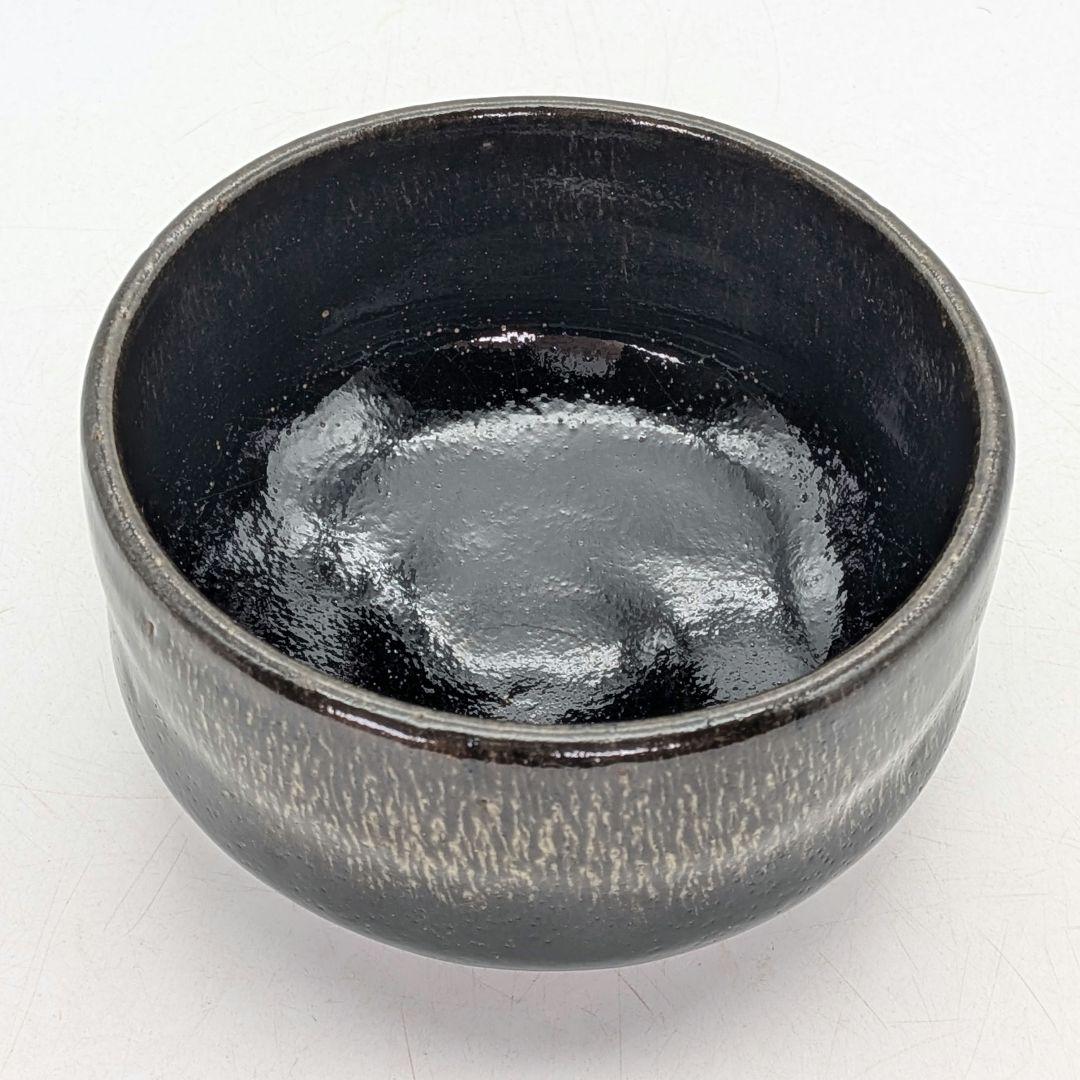
A chawan from Banshozan-gama, Izumo — the body held in a deep iron-black glaze, its surface broken by vertical threads of pale ash that descend like winter rain caught mid-fall. This is the nogi hakeme effect: a comb or brush drawn through a contrasting slip before the dark glaze is applied, leaving fine white striations suspended within the black. The form is semi-cylindrical, upright and composed, the wide flat foot ring sitting with quiet authority on any surface.
🔹 [ BASIC DETAILS ]
• Kiln: Banshozan-gama (萬祥山窯), Izumo, Shimane Prefecture
• Box inscription: 茶盌 出雲 芳祥 (Chawan, Izumo, Yoshiaki)
• Technique: Black glaze with nogi hakeme (禾目) — vertical white slip striations through iron-rich black
• Form: Semi-cylindrical (handotsu-gata), upright profile with wide flat foot
• Origin: Izumo-yaki lineage, Shimane, Japan
• Dimensions: Diameter approx. 11 cm, Height approx. 7 cm (measured from image with scale)
• Accessories: Original signed paulownia wooden box (tomobako), cloth wrapper (tomobukuro), maker's leaflet (shiori)
• Condition: Good — no chips, cracks, or repairs observed
🔹 [ CULTURAL & ARTISTIC INSIGHT ]
Izumo-yaki occupies a position apart from the more celebrated kiln traditions of Kyushu or Mino. Shimane Prefecture, facing the Sea of Japan, has long maintained its own ceramic vocabulary — one shaped by proximity to the continent and by an austere, coastal light that rewards dark glazes and unadorned surfaces. Banshozan-gama works within this lineage, producing wares that acknowledge tenmoku and hakeme traditions without mere imitation.
The nogi effect — named for the awns (nogi, 禾目) of cereal grasses — is achieved by applying a pale slip to the unfired body and combing or brushing it into vertical lines before the primary dark glaze is laid over. In the kiln, differential surface tension and the movement of molten glaze cause the lighter material beneath to press through, creating the characteristic pale streaking. No two pieces resolve identically.
In the context of chanoyu, black-glazed bowls carry the weight of a long lineage — from the tenmoku bowls brought from Song-dynasty China, to the deliberate rustic blackness of Raku Chojiro, to the later provincial kilns that adapted darkness as a local idiom. This bowl does not announce itself. It holds the matcha without comment, the white striations offering the eye somewhere to rest.
Poetic note: The pale lines descend through the black like light filtered through reeds — winter without cold, stillness without emptiness.
🔹 [ DEEP-DIVE COMMENTARY ]
The term hakeme (刷毛目) denotes a family of slip-decoration techniques in which a brush or comb is drawn across a clay body coated with contrasting slip, leaving directional marks in the surface. Nogi hakeme specifically refers to the fine, grass-stalk-like vertical striations that result when the gesture is disciplined and the slip density is carefully controlled — thin enough to allow the comb to cut through cleanly, rich enough to hold its form through the subsequent glaze application and firing.
Banshozan-gama's practice situates this technique within Izumo's ceramic tradition, which draws on Korean hakeme precedents as well as the iron-glaze vocabulary of Chinese Jian ware (tenmoku). The combination of a deep iron-saturate black with fine white striations places this bowl in dialogue with some of the most historically significant ceramic aesthetics in East Asia — without replicating them.
For the collector, the interest here lies in the precise quality of the nogi resolution: the lines should be continuous rather than broken, even in width, and should appear to emerge from within the glaze rather than sitting on its surface. In this piece, the striations are clearly formed, with a fine texture that catches light at an angle, suggesting the slip was applied with care and the firing temperature was controlled to prevent the black glaze from entirely consuming the lighter ground beneath.
The semi-cylindrical form (handotsu-gata) is suited to both koicha (thick tea) and usucha (thin tea) practice, and the foot ring — square-edged and deliberate — grounds the bowl without drawing attention to itself. The interior is a clean, deep black with a slight pooling at the well: the glaze gathered by gravity during the firing, a small record of heat and time.
The tomobako carries the box inscription in a practiced hand: 茶盌 出雲 芳祥. The inclusion of the cloth wrapper and the kiln's leaflet completes what is, in Japanese ceramic custom, the full documentary apparatus of a considered piece.
[ JAPANESE DESCRIPTION / 日本語解説 ]
出雲・萬祥山窯による茶碗。深い鉄黒釉の胴に、縦方向に流れる白い禾目の景色が走る。黒地に刷毛目によって生まれた白い縦筋は、冬の雨が空中で静止したように釉薬の中に宿り、見るたびに異なる光を見せる。形は半筒造り、端正に立ち上がり、広く平らな高台が静かに器を支える。
🔹 [ BASIC DETAILS ]
• 窯元: 萬祥山窯(島根県・出雲)
• 箱書: 茶盌 出雲 芳祥
• 技法: 黒釉+禾目(鉄釉黒地に白化粧土の刷毛目)
• 形: 半筒形
• 産地: 島根県出雲・出雲焼系統
• 寸法: 口径 約11cm、高さ 約7cm(画像定規より計測)
• 付属: 共箱(桐)、共布、栞
• 状態: 良好。欠け・割れ・金継ぎなし
🔹 [ CULTURAL & ARTISTIC INSIGHT ]
出雲焼は、九州や美濃の著名な窯場とは異なる、独自の陶芸語彙を持つ。日本海に面した島根の、大陸からの影響と海沿いの光の中で育まれた陶芸は、暗色釉と無飾の器面に独特の美意識を宿してきた。萬祥山窯はこの系譜を継ぎながら、天目や刷毛目の伝統と対話し、模倣ではなく独自の解釈を提示する。
禾目(のぎめ)という語は、穀物の穂先(のぎ)の形状に由来する。素地に白化粧土を施した後、黒釉をかける前に刷毛や串目で縦方向に引いた跡が、焼成の中で黒釉の下から白く押し出され、細い縞模様となって現れる。窯の温度と釉薬の流れによって毎回異なる景色が生まれ、二つと同じものはない。
茶の湯における黒釉の茶碗は、中国・宋代から伝わった天目茶碗に始まり、楽長次郎の黒楽、そして各地の産地焼の黒へと続く長い系譜の中にある。この碗は何も主張しない。ただ、白い線が黒の中に宿り、目に静かな寄りどころを与える。
詩的一句: 葦越しに差す冬の光のように、白い縦線が黒の中を流れる——寒さのない冬、空虚のない静けさ。
🔹 [ DEEP-DIVE COMMENTARY ]
刷毛目とは、化粧土を施した素地の表面を刷毛や道具で引き、方向性のある跡を残す技法の総称である。禾目刷毛目はその中でも、細く均整のとれた縦の筋が草の穂先のように走るものを指す。化粧土の濃度と刷毛の引き方が精緻に制御されることで、筋は連続し、釉薬の面からではなく内部から滲み出るような深みを持つ。
萬祥山窯の禾目はこうした技術的蓄積の上に立ちながら、出雲の土と釉薬の性質によって固有の景色を作り出している。この碗の縦筋は均質に保たれ、斜光で観察すると細かな質感が浮かび上がる。黒釉が白地を完全に飲み込まずに残した抑制が、焼成温度の管理の確かさを物語る。
半筒形は濃茶にも薄茶にも適し、直線的に立ち上がる胴は手のひらにしっかりと収まる。高台は角を残した実直な造形で、器を余分な装飾なく支える。碗内部は深い黒一色で、底に向かってわずかに釉薬が溜まり、熱と重力の記録を残す。
共箱には「茶盌 出雲 芳祥」の箱書があり、共布と栞を添えた一揃いは、日本の陶芸文化における「道具一式の完結」を示している。
🔹 [ SHIPPING & PACKAGING ]
• Dispatch: Within 1-6 business days
• Carrier: Japan Post EMS / UPS / FedEx (with tracking)
• Packaging: Carefully wrapped with protective materials
🔹 [ BASIC DETAILS ]
• Kiln: Banshozan-gama (萬祥山窯), Izumo, Shimane Prefecture
• Box inscription: 茶盌 出雲 芳祥 (Chawan, Izumo, Yoshiaki)
• Technique: Black glaze with nogi hakeme (禾目) — vertical white slip striations through iron-rich black
• Form: Semi-cylindrical (handotsu-gata), upright profile with wide flat foot
• Origin: Izumo-yaki lineage, Shimane, Japan
• Dimensions: Diameter approx. 11 cm, Height approx. 7 cm (measured from image with scale)
• Accessories: Original signed paulownia wooden box (tomobako), cloth wrapper (tomobukuro), maker's leaflet (shiori)
• Condition: Good — no chips, cracks, or repairs observed
🔹 [ CULTURAL & ARTISTIC INSIGHT ]
Izumo-yaki occupies a position apart from the more celebrated kiln traditions of Kyushu or Mino. Shimane Prefecture, facing the Sea of Japan, has long maintained its own ceramic vocabulary — one shaped by proximity to the continent and by an austere, coastal light that rewards dark glazes and unadorned surfaces. Banshozan-gama works within this lineage, producing wares that acknowledge tenmoku and hakeme traditions without mere imitation.
The nogi effect — named for the awns (nogi, 禾目) of cereal grasses — is achieved by applying a pale slip to the unfired body and combing or brushing it into vertical lines before the primary dark glaze is laid over. In the kiln, differential surface tension and the movement of molten glaze cause the lighter material beneath to press through, creating the characteristic pale streaking. No two pieces resolve identically.
In the context of chanoyu, black-glazed bowls carry the weight of a long lineage — from the tenmoku bowls brought from Song-dynasty China, to the deliberate rustic blackness of Raku Chojiro, to the later provincial kilns that adapted darkness as a local idiom. This bowl does not announce itself. It holds the matcha without comment, the white striations offering the eye somewhere to rest.
Poetic note: The pale lines descend through the black like light filtered through reeds — winter without cold, stillness without emptiness.
🔹 [ DEEP-DIVE COMMENTARY ]
The term hakeme (刷毛目) denotes a family of slip-decoration techniques in which a brush or comb is drawn across a clay body coated with contrasting slip, leaving directional marks in the surface. Nogi hakeme specifically refers to the fine, grass-stalk-like vertical striations that result when the gesture is disciplined and the slip density is carefully controlled — thin enough to allow the comb to cut through cleanly, rich enough to hold its form through the subsequent glaze application and firing.
Banshozan-gama's practice situates this technique within Izumo's ceramic tradition, which draws on Korean hakeme precedents as well as the iron-glaze vocabulary of Chinese Jian ware (tenmoku). The combination of a deep iron-saturate black with fine white striations places this bowl in dialogue with some of the most historically significant ceramic aesthetics in East Asia — without replicating them.
For the collector, the interest here lies in the precise quality of the nogi resolution: the lines should be continuous rather than broken, even in width, and should appear to emerge from within the glaze rather than sitting on its surface. In this piece, the striations are clearly formed, with a fine texture that catches light at an angle, suggesting the slip was applied with care and the firing temperature was controlled to prevent the black glaze from entirely consuming the lighter ground beneath.
The semi-cylindrical form (handotsu-gata) is suited to both koicha (thick tea) and usucha (thin tea) practice, and the foot ring — square-edged and deliberate — grounds the bowl without drawing attention to itself. The interior is a clean, deep black with a slight pooling at the well: the glaze gathered by gravity during the firing, a small record of heat and time.
The tomobako carries the box inscription in a practiced hand: 茶盌 出雲 芳祥. The inclusion of the cloth wrapper and the kiln's leaflet completes what is, in Japanese ceramic custom, the full documentary apparatus of a considered piece.
[ JAPANESE DESCRIPTION / 日本語解説 ]
出雲・萬祥山窯による茶碗。深い鉄黒釉の胴に、縦方向に流れる白い禾目の景色が走る。黒地に刷毛目によって生まれた白い縦筋は、冬の雨が空中で静止したように釉薬の中に宿り、見るたびに異なる光を見せる。形は半筒造り、端正に立ち上がり、広く平らな高台が静かに器を支える。
🔹 [ BASIC DETAILS ]
• 窯元: 萬祥山窯(島根県・出雲)
• 箱書: 茶盌 出雲 芳祥
• 技法: 黒釉+禾目(鉄釉黒地に白化粧土の刷毛目)
• 形: 半筒形
• 産地: 島根県出雲・出雲焼系統
• 寸法: 口径 約11cm、高さ 約7cm(画像定規より計測)
• 付属: 共箱(桐)、共布、栞
• 状態: 良好。欠け・割れ・金継ぎなし
🔹 [ CULTURAL & ARTISTIC INSIGHT ]
出雲焼は、九州や美濃の著名な窯場とは異なる、独自の陶芸語彙を持つ。日本海に面した島根の、大陸からの影響と海沿いの光の中で育まれた陶芸は、暗色釉と無飾の器面に独特の美意識を宿してきた。萬祥山窯はこの系譜を継ぎながら、天目や刷毛目の伝統と対話し、模倣ではなく独自の解釈を提示する。
禾目(のぎめ)という語は、穀物の穂先(のぎ)の形状に由来する。素地に白化粧土を施した後、黒釉をかける前に刷毛や串目で縦方向に引いた跡が、焼成の中で黒釉の下から白く押し出され、細い縞模様となって現れる。窯の温度と釉薬の流れによって毎回異なる景色が生まれ、二つと同じものはない。
茶の湯における黒釉の茶碗は、中国・宋代から伝わった天目茶碗に始まり、楽長次郎の黒楽、そして各地の産地焼の黒へと続く長い系譜の中にある。この碗は何も主張しない。ただ、白い線が黒の中に宿り、目に静かな寄りどころを与える。
詩的一句: 葦越しに差す冬の光のように、白い縦線が黒の中を流れる——寒さのない冬、空虚のない静けさ。
🔹 [ DEEP-DIVE COMMENTARY ]
刷毛目とは、化粧土を施した素地の表面を刷毛や道具で引き、方向性のある跡を残す技法の総称である。禾目刷毛目はその中でも、細く均整のとれた縦の筋が草の穂先のように走るものを指す。化粧土の濃度と刷毛の引き方が精緻に制御されることで、筋は連続し、釉薬の面からではなく内部から滲み出るような深みを持つ。
萬祥山窯の禾目はこうした技術的蓄積の上に立ちながら、出雲の土と釉薬の性質によって固有の景色を作り出している。この碗の縦筋は均質に保たれ、斜光で観察すると細かな質感が浮かび上がる。黒釉が白地を完全に飲み込まずに残した抑制が、焼成温度の管理の確かさを物語る。
半筒形は濃茶にも薄茶にも適し、直線的に立ち上がる胴は手のひらにしっかりと収まる。高台は角を残した実直な造形で、器を余分な装飾なく支える。碗内部は深い黒一色で、底に向かってわずかに釉薬が溜まり、熱と重力の記録を残す。
共箱には「茶盌 出雲 芳祥」の箱書があり、共布と栞を添えた一揃いは、日本の陶芸文化における「道具一式の完結」を示している。
🔹 [ SHIPPING & PACKAGING ]
• Dispatch: Within 1-6 business days
• Carrier: Japan Post EMS / UPS / FedEx (with tracking)
• Packaging: Carefully wrapped with protective materials
Quantity
Couldn't load pickup availability
Low stock: 1 left
View full details