1
/
of
12
Bizen Tea Bowl 'Hōrai' by Kaneshige Tōyō (Living National Treasure) - Tantansai Inscription
Bizen Tea Bowl 'Hōrai' by Kaneshige Tōyō (Living National Treasure) - Tantansai Inscription
Regular price
Dhs. 5,824.00 AED
Regular price
Sale price
Dhs. 5,824.00 AED
Taxes included.
Shipping calculated at checkout.
Experience authentic Japanese tea culture with this Bizen Ware Tea Bowl by Living National Treasure Kaneshige Tōyō. This Japanese Matcha Chawan serves as a National Treasure Ceramic and Bizen Fired Stoneware, featuring Natural Ash Glaze effects and Urasenke Grand Master authentication—a must-have for any Art Collector seeking Museum Worthy Tea Bowl and Important Japanese Art with Double Wooden Box.
━━━━━━━━━━━━━━━━━━━━
🔹 [ BASIC DETAILS ]
• Artist: Kaneshige Tōyō (金重陶陽, 1896–1967) — Living National Treasure (人間国宝), designated 1956
• Technique: Bizen ware — unglazed, wood-fired with natural ash effects (goma, hidasuki)
• Bowl Name: 蓬莱 (Hōrai) — the mythical island of immortals
• Era: Mid-20th century (Shōwa period, ca. 1940s–1960s)
• Origin: Bizen, Okayama Prefecture, Japan
• Dimensions: 12.5 cm (4.9") diameter × 7.2 cm (2.8") height
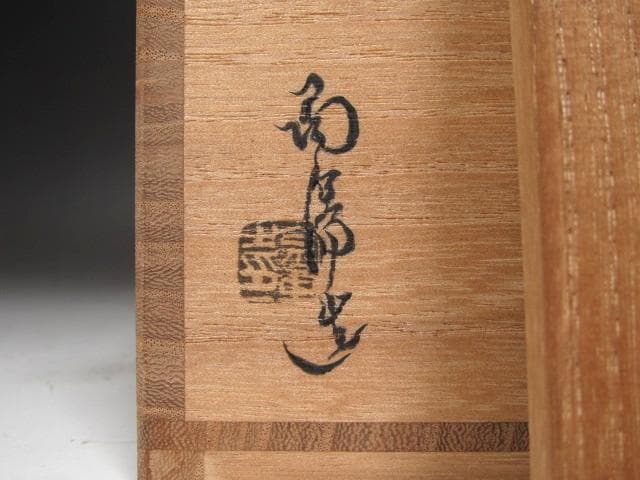
• Box: Double box — inner tomobako signed by Tōyō; outer box inscribed "備前焼 茶碗 銘蓬莱 陶陽造" with kaō (花押) by Urasenke 14th Grand Master Tantansai (淡々斎, 1893–1964)
• Condition: Good — consistent with age and distinguished provenance
━━━━━━━━━━━━━━━━━━━━
🔹 [ CULTURAL & ARTISTIC INSIGHT ]
Kaneshige Tōyō is the figure who brought Bizen ware back from the edge of obscurity. By the early 20th century, Bizen had declined to producing utilitarian drainage pipes. Tōyō dedicated his life to recovering the Momoyama-era firing techniques that had once made Bizen the clay of choice for Rikyū and his circle. His success was so complete that in 1956, he became the first Bizen potter designated a Living National Treasure.
The outer box inscription by Tantansai — the 14th Grand Master of Urasenke, one of the three main schools of Japanese tea ceremony — elevates this bowl beyond a ceramic object. Tantansai's kaō certifies that this bowl entered the highest circles of formal tea practice. His naming it "Hōrai" — the mythical paradise island of East Asian cosmology — speaks to what he recognized in this vessel.
*"One man's hands recovered what centuries had abandoned. The kiln remembered."*
━━━━━━━━━━━━━━━━━━━━
🔹 [ DEEP-DIVE COMMENTARY ]
**Tōyō's Bizen Revolution**: Before Tōyō, modern Bizen had lost the technical knowledge to produce the rich natural effects — goma (sesame-seed ash), hidasuki (fire-cord marks), sangiri (atmospheric reduction) — that defined Momoyama-era Bizen. Through decades of kiln experiments, studying ancient shards, and rebuilding traditional anagama (tunnel kiln) techniques, Tōyō single-handedly revived the full vocabulary of Bizen surface effects. Every Bizen potter working today stands in his lineage.
**Reading the Surface**: This bowl displays Tōyō's mastery of kiln placement and wood-fire dynamics. One face shows dramatic natural ash glaze (goma) in grey-olive tones flowing downward like a mountain landscape. The unglazed areas reveal the deep reddish-brown Bizen clay in its natural state. No glaze was applied — every mark on this surface was written by fire, ash, and the potter's knowledge of where to place the bowl within the kiln's geography.
**Tantansai's Kaō — Weight of Authentication**: Tantansai (Sen Sōshitsu XIV, 1893–1964) guided Urasenke through the turbulent prewar and postwar periods, expanding tea practice internationally while preserving its spiritual core. His willingness to inscribe and name this bowl — giving it the auspicious title "Hōrai" — constitutes a form of authentication that no certificate can replicate. This is a tea master's recognition, inscribed in his own hand.
**The Name Hōrai**: In East Asian mythology, Hōrai (蓬莱) is the island where immortals dwell — a place of eternal abundance and spiritual perfection. It is among the most auspicious names a tea bowl can receive. Tantansai would not bestow such a name lightly; it reflects his recognition of the bowl's presence and its fitness for the most formal tea occasions.
**The Bowl's Form**: Low and wide with a robust foot ring, this bowl sits with the gravity and confidence characteristic of Tōyō's mature work. The gentle curves invite the hands to cup naturally around its warmth. At 12.5 cm diameter, it is sized for both koicha (thick tea) and usucha (thin tea), versatile across all seasons of practice.
━━━━━━━━━━━━━━━━━━━━
🔹 [ 日本語解説 ]
【基本情報】
• 作家:金重陶陽(1896–1967)人間国宝(1956年認定)
• 技法:備前焼・無釉薬・薪窯焼成(胡麻・緋襷)
• 銘:蓬莱(裏千家十四代淡々斎命名)
• 時代:昭和(1940年代〜1960年代)
• 産地:岡山県備前市
• 寸法:径約12.5cm × 高さ約7.2cm
• 付属:二重箱 — 内箱は陶陽自署共箱、外箱に淡々斎花押入り箱書「備前焼 茶碗 銘蓬莱 陶陽造」
• 状態:時代・伝来相応の良好な状態
【解説】
金重陶陽は近代備前焼復興の立役者であり、桃山時代の備前焼成技法を独力で甦らせた陶工である。排水管製造にまで落ちぶれていた備前を、利休時代の輝きに引き戻し、1956年に備前焼初の人間国宝に認定された。
本作は陶陽の備前茶碗に、裏千家十四代家元・淡々斎(1893–1964)が「蓬莱」の銘を与え花押を添えた逸品。片面に灰被り(胡麻)のオリーブ灰色が山水画のように流れ落ち、反対面には備前土本来の深い赤褐色が広がる。
淡々斎が「蓬莱」——東洋神話の理想郷——と名付けたことは、この碗に認めた格の高さの証。二重箱の丁寧な仕立ては、茶の湯の正式な伝来を物語る。
━━━━━━━━━━━━━━━━━━━━
🔹 [ SHIPPING & PACKAGING ]
• Dispatch: Within 1-6 business days
• Carrier: Japan Post EMS / UPS (with tracking)
• Packaging: Carefully wrapped with protective materials
*A tea master names a bowl 'Paradise.' Not for what it depicts — for what it holds in silence.*
━━━━━━━━━━━━━━━━━━━━
🔹 [ BASIC DETAILS ]
• Artist: Kaneshige Tōyō (金重陶陽, 1896–1967) — Living National Treasure (人間国宝), designated 1956
• Technique: Bizen ware — unglazed, wood-fired with natural ash effects (goma, hidasuki)
• Bowl Name: 蓬莱 (Hōrai) — the mythical island of immortals
• Era: Mid-20th century (Shōwa period, ca. 1940s–1960s)
• Origin: Bizen, Okayama Prefecture, Japan
• Dimensions: 12.5 cm (4.9") diameter × 7.2 cm (2.8") height
• Box: Double box — inner tomobako signed by Tōyō; outer box inscribed "備前焼 茶碗 銘蓬莱 陶陽造" with kaō (花押) by Urasenke 14th Grand Master Tantansai (淡々斎, 1893–1964)
• Condition: Good — consistent with age and distinguished provenance
━━━━━━━━━━━━━━━━━━━━
🔹 [ CULTURAL & ARTISTIC INSIGHT ]
Kaneshige Tōyō is the figure who brought Bizen ware back from the edge of obscurity. By the early 20th century, Bizen had declined to producing utilitarian drainage pipes. Tōyō dedicated his life to recovering the Momoyama-era firing techniques that had once made Bizen the clay of choice for Rikyū and his circle. His success was so complete that in 1956, he became the first Bizen potter designated a Living National Treasure.
The outer box inscription by Tantansai — the 14th Grand Master of Urasenke, one of the three main schools of Japanese tea ceremony — elevates this bowl beyond a ceramic object. Tantansai's kaō certifies that this bowl entered the highest circles of formal tea practice. His naming it "Hōrai" — the mythical paradise island of East Asian cosmology — speaks to what he recognized in this vessel.
*"One man's hands recovered what centuries had abandoned. The kiln remembered."*
━━━━━━━━━━━━━━━━━━━━
🔹 [ DEEP-DIVE COMMENTARY ]
**Tōyō's Bizen Revolution**: Before Tōyō, modern Bizen had lost the technical knowledge to produce the rich natural effects — goma (sesame-seed ash), hidasuki (fire-cord marks), sangiri (atmospheric reduction) — that defined Momoyama-era Bizen. Through decades of kiln experiments, studying ancient shards, and rebuilding traditional anagama (tunnel kiln) techniques, Tōyō single-handedly revived the full vocabulary of Bizen surface effects. Every Bizen potter working today stands in his lineage.
**Reading the Surface**: This bowl displays Tōyō's mastery of kiln placement and wood-fire dynamics. One face shows dramatic natural ash glaze (goma) in grey-olive tones flowing downward like a mountain landscape. The unglazed areas reveal the deep reddish-brown Bizen clay in its natural state. No glaze was applied — every mark on this surface was written by fire, ash, and the potter's knowledge of where to place the bowl within the kiln's geography.
**Tantansai's Kaō — Weight of Authentication**: Tantansai (Sen Sōshitsu XIV, 1893–1964) guided Urasenke through the turbulent prewar and postwar periods, expanding tea practice internationally while preserving its spiritual core. His willingness to inscribe and name this bowl — giving it the auspicious title "Hōrai" — constitutes a form of authentication that no certificate can replicate. This is a tea master's recognition, inscribed in his own hand.
**The Name Hōrai**: In East Asian mythology, Hōrai (蓬莱) is the island where immortals dwell — a place of eternal abundance and spiritual perfection. It is among the most auspicious names a tea bowl can receive. Tantansai would not bestow such a name lightly; it reflects his recognition of the bowl's presence and its fitness for the most formal tea occasions.
**The Bowl's Form**: Low and wide with a robust foot ring, this bowl sits with the gravity and confidence characteristic of Tōyō's mature work. The gentle curves invite the hands to cup naturally around its warmth. At 12.5 cm diameter, it is sized for both koicha (thick tea) and usucha (thin tea), versatile across all seasons of practice.
━━━━━━━━━━━━━━━━━━━━
🔹 [ 日本語解説 ]
【基本情報】
• 作家:金重陶陽(1896–1967)人間国宝(1956年認定)
• 技法:備前焼・無釉薬・薪窯焼成(胡麻・緋襷)
• 銘:蓬莱(裏千家十四代淡々斎命名)
• 時代:昭和(1940年代〜1960年代)
• 産地:岡山県備前市
• 寸法:径約12.5cm × 高さ約7.2cm
• 付属:二重箱 — 内箱は陶陽自署共箱、外箱に淡々斎花押入り箱書「備前焼 茶碗 銘蓬莱 陶陽造」
• 状態:時代・伝来相応の良好な状態
【解説】
金重陶陽は近代備前焼復興の立役者であり、桃山時代の備前焼成技法を独力で甦らせた陶工である。排水管製造にまで落ちぶれていた備前を、利休時代の輝きに引き戻し、1956年に備前焼初の人間国宝に認定された。
本作は陶陽の備前茶碗に、裏千家十四代家元・淡々斎(1893–1964)が「蓬莱」の銘を与え花押を添えた逸品。片面に灰被り(胡麻)のオリーブ灰色が山水画のように流れ落ち、反対面には備前土本来の深い赤褐色が広がる。
淡々斎が「蓬莱」——東洋神話の理想郷——と名付けたことは、この碗に認めた格の高さの証。二重箱の丁寧な仕立ては、茶の湯の正式な伝来を物語る。
━━━━━━━━━━━━━━━━━━━━
🔹 [ SHIPPING & PACKAGING ]
• Dispatch: Within 1-6 business days
• Carrier: Japan Post EMS / UPS (with tracking)
• Packaging: Carefully wrapped with protective materials
*A tea master names a bowl 'Paradise.' Not for what it depicts — for what it holds in silence.*
Quantity
Couldn't load pickup availability
Low stock: 1 left
View full details