1
/
of
9
Bizen Momoyama-Gama Tea Bowl - Japanese Unglazed Bizen Chawan with Hi-iro Fire Color and Ash Grey Streaks and Signed Box
Bizen Momoyama-Gama Tea Bowl - Japanese Unglazed Bizen Chawan with Hi-iro Fire Color and Ash Grey Streaks and Signed Box
Regular price
Dhs. 610.00 AED
Regular price
Sale price
Dhs. 610.00 AED
Taxes included.
Shipping calculated at checkout.
Experience authentic Japanese tea culture with this Bizen Momoyama-Gama Tea Bowl. This Japanese Matcha Bowl serves as a Genuine Bizen Unglazed Ceramic Chawan and Natural Kiln-Fire Tea Ceremony Vessel, featuring Hi-iro Fire Color and Ash-Grey Kiln Atmosphere Streaks—a must-have for any collector seeking authentic Bizen Ware natural beauty and grounded Zen Tea Accessories.
━━━━━━━━━━━━━━━━━━━━
🔹 [ BASIC DETAILS ]
• Artist: Momoyama-gama (桃山窯) — Bizen kiln studio
• Technique: Bizen unglazed stoneware; wheel-thrown with natural hi-iro (fire color) and ash-grey zanguri/sangiri surface effects from wood kiln atmosphere
• Era: Contemporary (Heisei period)
• Origin: Bizen, Okayama Prefecture, Japan — one of Japan's six ancient kilns
• Dimensions: Diameter approx. 11 cm × Height approx. 7.5 cm (4.3" × 3.0")
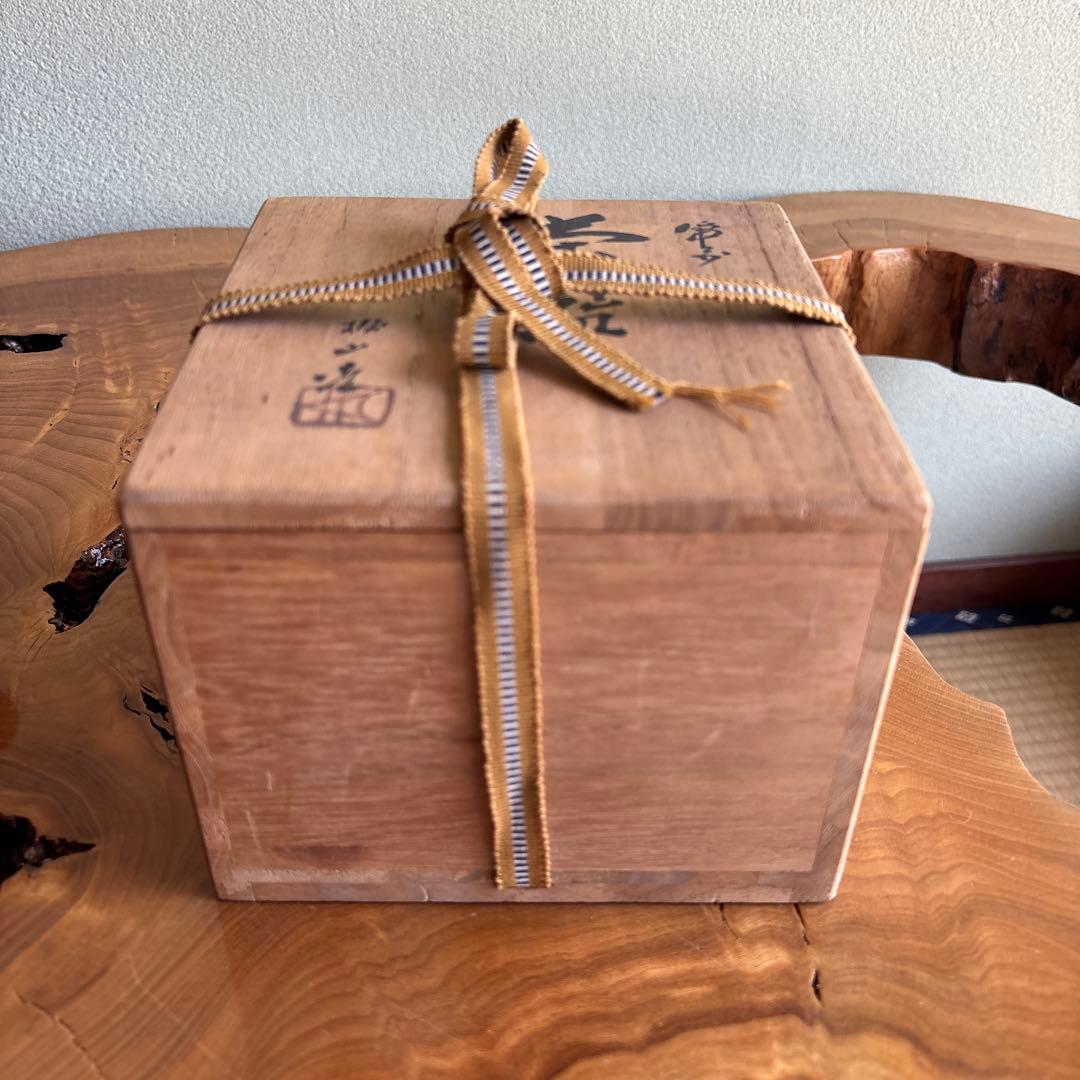
• Box: Tomobako (wooden box inscribed 備前 茶碗, with kiln seal)
• Condition: Excellent — no chips, cracks, or repairs
━━━━━━━━━━━━━━━━━━━━
🔹 [ CULTURAL & ARTISTIC INSIGHT ]
Bizen ware (備前焼) is one of Japan's most ancient and revered unglazed ceramic traditions, produced continuously in the Bizen region of Okayama Prefecture for over a thousand years. Unlike most Japanese ceramics, Bizen ware uses no glaze whatsoever — the colors, patterns, and surface effects are produced entirely by the interaction of clay, wood ash, and kiln atmosphere during multi-day firing in traditional anagama (穴窯, tunnel kiln) or noborigama (登り窯, climbing kiln). Each piece is, in this sense, painted by fire.
The Momoyama-gama (桃山窯) takes its name from the Momoyama period (桃山時代, 1573–1615) — the era considered the golden age of Japanese ceramic arts and of the tea ceremony itself. This was the period of Sen no Rikyu's influence, when wabi-sabi aesthetics reached their fullest articulation, and when unglazed ceramics like Bizen, Shigaraki, and Iga began to be elevated above imported Chinese porcelain in the estimation of tea masters. A kiln bearing this name signals a conscious alignment with those values.
This bowl displays the two characteristic surface effects that Bizen potters and tea practitioners prize most: hi-iro (緋色, fire color) — the warm red-to-orange blush created when the clay surface is heated in direct contact with falling ash and flame — and a contrasting band of cool ash-grey (sangiri/zanguri) that appears where the kiln atmosphere was more reducing. The juxtaposition of these two natural colors, one warm and one cool, across the body of a single bowl is considered one of the most aesthetically satisfying effects in all of Japanese ceramics.
*"Fire writes across the clay what no brush could ever plan — and the bowl carries it forward, unchanged, for centuries."*
━━━━━━━━━━━━━━━━━━━━
🔹 [ DEEP-DIVE COMMENTARY ]
**Hi-iro Formation**: The hi-iro (fire color) visible on this bowl — a warm spectrum from pale orange to deep sienna-red — is produced when the surface of the clay body is heated in direct contact with oxidizing combustion gases from the wood fire. The iron compounds in Bizen clay are particularly responsive to this process, producing warm, saturated colors that range across the entire warm spectrum depending on temperature and exposure duration. On this bowl, the hi-iro covers approximately two-thirds of the exterior surface, with the warmest, most saturated tones concentrated around the shoulder area.
**Zanguri and Kiln Atmosphere**: The cooler ash-grey areas on the upper section of this bowl result from a localized reduction atmosphere in the kiln — typically caused by proximity to other pieces or by the positioning of the bowl in a lower-oxygen zone. This grey tone (sometimes called zanguri, ざんぐり) is the complementary opposite of hi-iro, and their meeting on a single surface creates a landscape of transition — warm earth meeting cool sky — that tea practitioners find endlessly contemplative.
**Wheel-Thrown Bizen**: While some Bizen chawan are hand-built, this bowl shows the characteristic horizontal wheel-throwing lines that run around the exterior in shallow ridges (rokuro-me, 轆轤目). In Bizen, these lines are not smoothed away but left as part of the final surface, creating subtle topographic interest and providing a gentle grip for the hands during tea preparation. The natural clay color between hi-iro zones has a warm tan-to-grey quality that reflects the iron-rich nature of the local clay.
**Momoyama-gama Context**: Named kilns in Bizen maintain specific traditions of clay selection, kiln construction, and firing practice. The Momoyama-gama's choice of name positions it within the discourse of historical Bizen values — a commitment to the natural, the unornamented, and the quietly powerful. This bowl, coming from that studio, carries those values not as ornament but as practice.
━━━━━━━━━━━━━━━━━━━━
🔹 [ 日本語解説 ]
【基本情報】
• 作家:桃山窯
• 技法:備前焼(無釉)、轆轤成形、緋色・桟切り窯変
• 時代:現代(平成期)
• 産地:岡山県備前市(日本六古窯の一つ)
• 寸法:直径約11cm × 高さ約7.5cm
• 付属:共箱(「備前 茶碗」墨書、窯印あり)
• 状態:良好(ヒビ・カケなし)
【解説】
備前焼の名窯「桃山窯」による茶碗です。備前焼は釉薬を一切使わず、薪窯での長時間焼成によって生まれる自然の表情だけで勝負する陶磁器の極致です。本作には備前焼の最も魅力的な景色である緋色と桟切り(灰青色)が共存しています。
胴部に広がる温かみのある緋色は、窯の炎と土の鉄分が直接反応して生まれた色であり、二つとして同じものはありません。上部の灰青色との対比は、まさに火と大気の対話の記録です。轆轤目の水平線が表面に残り、持ち手に心地よいグリップを与えています。
「桃山」の名は千利休が活躍した桃山時代の備前焼の精神に連なるものであり、装飾を排し、土と火のみで語ることへの覚悟を示しています。日常のお稽古から茶会まで、長く使い続けるほど馴染んでいく育ちの良い一椀です。
━━━━━━━━━━━━━━━━━━━━
🔹 [ SHIPPING & PACKAGING ]
• Dispatch: Within 1-6 business days
• Carrier: Japan Post EMS / UPS (with tracking)
• Packaging: Carefully wrapped with protective materials
*No glaze, no decoration, no intervention — just fire, clay, and a thousand years of the same conversation.*
━━━━━━━━━━━━━━━━━━━━
🔹 [ BASIC DETAILS ]
• Artist: Momoyama-gama (桃山窯) — Bizen kiln studio
• Technique: Bizen unglazed stoneware; wheel-thrown with natural hi-iro (fire color) and ash-grey zanguri/sangiri surface effects from wood kiln atmosphere
• Era: Contemporary (Heisei period)
• Origin: Bizen, Okayama Prefecture, Japan — one of Japan's six ancient kilns
• Dimensions: Diameter approx. 11 cm × Height approx. 7.5 cm (4.3" × 3.0")
• Box: Tomobako (wooden box inscribed 備前 茶碗, with kiln seal)
• Condition: Excellent — no chips, cracks, or repairs
━━━━━━━━━━━━━━━━━━━━
🔹 [ CULTURAL & ARTISTIC INSIGHT ]
Bizen ware (備前焼) is one of Japan's most ancient and revered unglazed ceramic traditions, produced continuously in the Bizen region of Okayama Prefecture for over a thousand years. Unlike most Japanese ceramics, Bizen ware uses no glaze whatsoever — the colors, patterns, and surface effects are produced entirely by the interaction of clay, wood ash, and kiln atmosphere during multi-day firing in traditional anagama (穴窯, tunnel kiln) or noborigama (登り窯, climbing kiln). Each piece is, in this sense, painted by fire.
The Momoyama-gama (桃山窯) takes its name from the Momoyama period (桃山時代, 1573–1615) — the era considered the golden age of Japanese ceramic arts and of the tea ceremony itself. This was the period of Sen no Rikyu's influence, when wabi-sabi aesthetics reached their fullest articulation, and when unglazed ceramics like Bizen, Shigaraki, and Iga began to be elevated above imported Chinese porcelain in the estimation of tea masters. A kiln bearing this name signals a conscious alignment with those values.
This bowl displays the two characteristic surface effects that Bizen potters and tea practitioners prize most: hi-iro (緋色, fire color) — the warm red-to-orange blush created when the clay surface is heated in direct contact with falling ash and flame — and a contrasting band of cool ash-grey (sangiri/zanguri) that appears where the kiln atmosphere was more reducing. The juxtaposition of these two natural colors, one warm and one cool, across the body of a single bowl is considered one of the most aesthetically satisfying effects in all of Japanese ceramics.
*"Fire writes across the clay what no brush could ever plan — and the bowl carries it forward, unchanged, for centuries."*
━━━━━━━━━━━━━━━━━━━━
🔹 [ DEEP-DIVE COMMENTARY ]
**Hi-iro Formation**: The hi-iro (fire color) visible on this bowl — a warm spectrum from pale orange to deep sienna-red — is produced when the surface of the clay body is heated in direct contact with oxidizing combustion gases from the wood fire. The iron compounds in Bizen clay are particularly responsive to this process, producing warm, saturated colors that range across the entire warm spectrum depending on temperature and exposure duration. On this bowl, the hi-iro covers approximately two-thirds of the exterior surface, with the warmest, most saturated tones concentrated around the shoulder area.
**Zanguri and Kiln Atmosphere**: The cooler ash-grey areas on the upper section of this bowl result from a localized reduction atmosphere in the kiln — typically caused by proximity to other pieces or by the positioning of the bowl in a lower-oxygen zone. This grey tone (sometimes called zanguri, ざんぐり) is the complementary opposite of hi-iro, and their meeting on a single surface creates a landscape of transition — warm earth meeting cool sky — that tea practitioners find endlessly contemplative.
**Wheel-Thrown Bizen**: While some Bizen chawan are hand-built, this bowl shows the characteristic horizontal wheel-throwing lines that run around the exterior in shallow ridges (rokuro-me, 轆轤目). In Bizen, these lines are not smoothed away but left as part of the final surface, creating subtle topographic interest and providing a gentle grip for the hands during tea preparation. The natural clay color between hi-iro zones has a warm tan-to-grey quality that reflects the iron-rich nature of the local clay.
**Momoyama-gama Context**: Named kilns in Bizen maintain specific traditions of clay selection, kiln construction, and firing practice. The Momoyama-gama's choice of name positions it within the discourse of historical Bizen values — a commitment to the natural, the unornamented, and the quietly powerful. This bowl, coming from that studio, carries those values not as ornament but as practice.
━━━━━━━━━━━━━━━━━━━━
🔹 [ 日本語解説 ]
【基本情報】
• 作家:桃山窯
• 技法:備前焼(無釉)、轆轤成形、緋色・桟切り窯変
• 時代:現代(平成期)
• 産地:岡山県備前市(日本六古窯の一つ)
• 寸法:直径約11cm × 高さ約7.5cm
• 付属:共箱(「備前 茶碗」墨書、窯印あり)
• 状態:良好(ヒビ・カケなし)
【解説】
備前焼の名窯「桃山窯」による茶碗です。備前焼は釉薬を一切使わず、薪窯での長時間焼成によって生まれる自然の表情だけで勝負する陶磁器の極致です。本作には備前焼の最も魅力的な景色である緋色と桟切り(灰青色)が共存しています。
胴部に広がる温かみのある緋色は、窯の炎と土の鉄分が直接反応して生まれた色であり、二つとして同じものはありません。上部の灰青色との対比は、まさに火と大気の対話の記録です。轆轤目の水平線が表面に残り、持ち手に心地よいグリップを与えています。
「桃山」の名は千利休が活躍した桃山時代の備前焼の精神に連なるものであり、装飾を排し、土と火のみで語ることへの覚悟を示しています。日常のお稽古から茶会まで、長く使い続けるほど馴染んでいく育ちの良い一椀です。
━━━━━━━━━━━━━━━━━━━━
🔹 [ SHIPPING & PACKAGING ]
• Dispatch: Within 1-6 business days
• Carrier: Japan Post EMS / UPS (with tracking)
• Packaging: Carefully wrapped with protective materials
*No glaze, no decoration, no intervention — just fire, clay, and a thousand years of the same conversation.*
Quantity
Couldn't load pickup availability
Low stock: 1 left
View full details