1
/
of
12
Bizen Kutsukata Hidasuki Chawan by Isezaki Kisoi - Warped Tea Bowl with Signed Box
Bizen Kutsukata Hidasuki Chawan by Isezaki Kisoi - Warped Tea Bowl with Signed Box
Regular price
Dhs. 1,465.00 AED
Regular price
Sale price
Dhs. 1,465.00 AED
Taxes included.
Shipping calculated at checkout.
Experience authentic Japanese tea ceremony art with this Bizen Chawan. This Tea Bowl serves as an Isezaki Kisoi original and Kutsukata Form masterpiece, featuring Hidasuki Firing patterns and Wood Fired technique—a must-have for any collector seeking Okayama Pottery and Wabi Sabi ceramics.
━━━━━━━━━━━━━━━━━━━━
🔹 [ BASIC DETAILS ]
• Artist: Isezaki Kisoi (伊勢崎競)
• Technique: Hidasuki kutsukata (緋襷沓形)
• Era: Contemporary (Heisei-Reiwa)
• Origin: Bizen, Okayama Prefecture
• Dimensions: 11.2×14.2 cm × Height 6.7 cm (4.4×5.6" × 2.6")
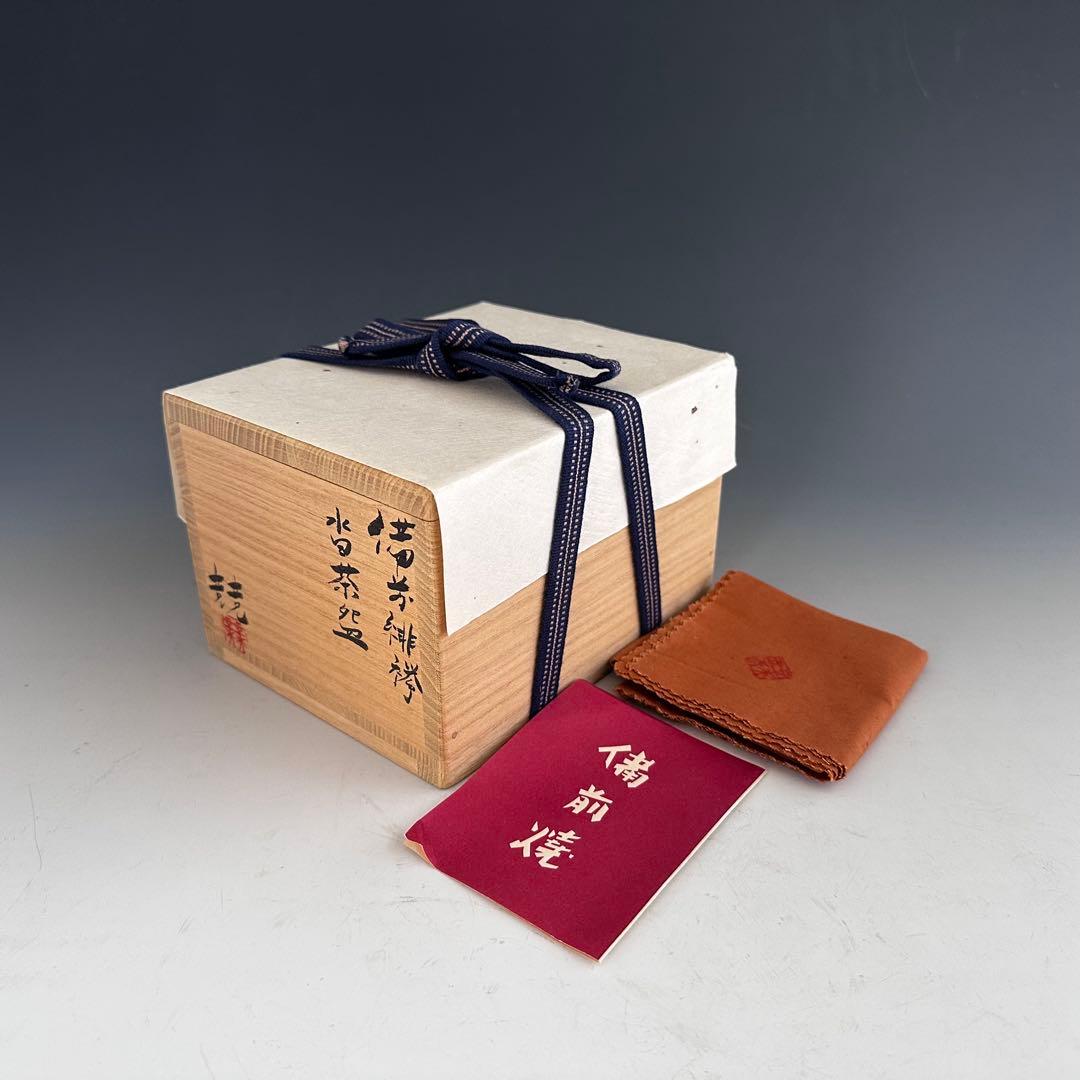
• Box: Signed tomobako with cloth and certificate
• Condition: Near mint, no damage
━━━━━━━━━━━━━━━━━━━━
🔹 [ CULTURAL & ARTISTIC INSIGHT ]
Kutsukata form challenges the wheel's circular logic. The rim warps into an oval during firing, creating a shoe-shaped profile that defies symmetry. Combined with hidasuki's straw-wrapped firing, this chawan documents two forms of controlled accident: intentional deformation and flame-written marks.
Isezaki Kisoi works within Bizen's thousand-year tradition while embracing asymmetry as aesthetic principle. The kutsukata style originated in Momoyama tea ceremony, where irregularity became evidence of natural process. A warped rim means the clay moved during firing, responding to gravity and heat without human correction.
This chawan's vivid red hidasuki marks cross the low wide body in irregular bands. Where rice straw wrapped the clay, iron drew to the surface under reducing flame. The sandy buff Bizen clay shows its natural texture between fire-cord marks, creating the subtle brown-orange-red gradations prized in tea ceremony vessels.
*"The rim warped toward fire. The straw burned to signature."*
━━━━━━━━━━━━━━━━━━━━
🔹 [ DEEP-DIVE COMMENTARY ]
**Kutsukata Aesthetics**: The shoe-shaped form emerged during Momoyama period (1573-1615) when tea masters valued asymmetry and natural distortion. A circular bowl warps into an oval when one side softens more than the other during peak firing temperatures. Rather than correcting this, Bizen potters learned to control warping direction through kiln placement and firing schedules. The irregular rim becomes evidence of process.
**Hidasuki Layered Process**: Rice straw wrapping requires precision before firing begins. Straw density, wrapping tension, and placement determine where red marks will appear. During 10-14 day anagama firing, straw creates localized reducing atmosphere, drawing iron to the surface. The straw carbonizes and falls away, leaving only its chemical signature as red-brown cord patterns.
**The Isezaki Bizen Workshop**: Multiple Isezaki family members work in Imbe, Okayama, maintaining separate studios while sharing lineage knowledge. Isezaki Kisoi develops kutsukata forms alongside hidasuki firing, combining two traditional Bizen techniques. The family's anagama kilns burn red pine exclusively, following Momoyama-period fuel traditions.
**Tea Bowl Functionality**: The low wide profile (6.7cm height, 14cm width) suits matcha whisking while allowing tea to cool appropriately. The warped rim creates varied lip experiences when drinking from different sides. Bizen's unglazed sandy clay provides subtle texture against lips while hidasuki marks offer visual interest during tea ceremony contemplation.
━━━━━━━━━━━━━━━━━━━━
🔹 [ 日本語解説 ]
【基本情報】
• 作家:伊勢崎競
• 技法:緋襷沓形
• 時代:現代(平成〜令和期)
• 産地:岡山県備前市伊部
• 寸法:11.2×14.2cm × 高さ6.7cm
• 付属:共箱・共布・共栞
• 状態:ほぼ完品、傷みなし
【解説】
伊勢崎競による備前焼緋襷沓形茶碗。沓形とは焼成中に口縁が楕円状に歪む形式で、桃山期の茶陶美学において不整形を自然のあらわれとして尊重した流れを汲みます。輿轆の円形を否定し、焼成時の重力と熱によって生まれる変形を積極的に取り入れた様式。
藁を巻いて穴窯で焼成する緋襷技法により、接触部分に鮮やかな赤褐色の帯が走ります。藁に含まれる珪酸と炭素が還元炎中で鉄分を表面に引き出し、藁が炭化して剥落した後も化学的痕跡が緋色の文様として残存。低く広い碗形は抹茶を点てやすく、歪んだ口縁は飲む位置によって異なる口当たりを生みます。
━━━━━━━━━━━━━━━━━━━━
🔹 [ SHIPPING & PACKAGING ]
• Dispatch: Within 1-6 business days
• Carrier: Japan Post EMS / UPS (with tracking)
• Packaging: Carefully wrapped with protective materials
*Where the rim warped, the eye finds rest.*
━━━━━━━━━━━━━━━━━━━━
🔹 [ BASIC DETAILS ]
• Artist: Isezaki Kisoi (伊勢崎競)
• Technique: Hidasuki kutsukata (緋襷沓形)
• Era: Contemporary (Heisei-Reiwa)
• Origin: Bizen, Okayama Prefecture
• Dimensions: 11.2×14.2 cm × Height 6.7 cm (4.4×5.6" × 2.6")
• Box: Signed tomobako with cloth and certificate
• Condition: Near mint, no damage
━━━━━━━━━━━━━━━━━━━━
🔹 [ CULTURAL & ARTISTIC INSIGHT ]
Kutsukata form challenges the wheel's circular logic. The rim warps into an oval during firing, creating a shoe-shaped profile that defies symmetry. Combined with hidasuki's straw-wrapped firing, this chawan documents two forms of controlled accident: intentional deformation and flame-written marks.
Isezaki Kisoi works within Bizen's thousand-year tradition while embracing asymmetry as aesthetic principle. The kutsukata style originated in Momoyama tea ceremony, where irregularity became evidence of natural process. A warped rim means the clay moved during firing, responding to gravity and heat without human correction.
This chawan's vivid red hidasuki marks cross the low wide body in irregular bands. Where rice straw wrapped the clay, iron drew to the surface under reducing flame. The sandy buff Bizen clay shows its natural texture between fire-cord marks, creating the subtle brown-orange-red gradations prized in tea ceremony vessels.
*"The rim warped toward fire. The straw burned to signature."*
━━━━━━━━━━━━━━━━━━━━
🔹 [ DEEP-DIVE COMMENTARY ]
**Kutsukata Aesthetics**: The shoe-shaped form emerged during Momoyama period (1573-1615) when tea masters valued asymmetry and natural distortion. A circular bowl warps into an oval when one side softens more than the other during peak firing temperatures. Rather than correcting this, Bizen potters learned to control warping direction through kiln placement and firing schedules. The irregular rim becomes evidence of process.
**Hidasuki Layered Process**: Rice straw wrapping requires precision before firing begins. Straw density, wrapping tension, and placement determine where red marks will appear. During 10-14 day anagama firing, straw creates localized reducing atmosphere, drawing iron to the surface. The straw carbonizes and falls away, leaving only its chemical signature as red-brown cord patterns.
**The Isezaki Bizen Workshop**: Multiple Isezaki family members work in Imbe, Okayama, maintaining separate studios while sharing lineage knowledge. Isezaki Kisoi develops kutsukata forms alongside hidasuki firing, combining two traditional Bizen techniques. The family's anagama kilns burn red pine exclusively, following Momoyama-period fuel traditions.
**Tea Bowl Functionality**: The low wide profile (6.7cm height, 14cm width) suits matcha whisking while allowing tea to cool appropriately. The warped rim creates varied lip experiences when drinking from different sides. Bizen's unglazed sandy clay provides subtle texture against lips while hidasuki marks offer visual interest during tea ceremony contemplation.
━━━━━━━━━━━━━━━━━━━━
🔹 [ 日本語解説 ]
【基本情報】
• 作家:伊勢崎競
• 技法:緋襷沓形
• 時代:現代(平成〜令和期)
• 産地:岡山県備前市伊部
• 寸法:11.2×14.2cm × 高さ6.7cm
• 付属:共箱・共布・共栞
• 状態:ほぼ完品、傷みなし
【解説】
伊勢崎競による備前焼緋襷沓形茶碗。沓形とは焼成中に口縁が楕円状に歪む形式で、桃山期の茶陶美学において不整形を自然のあらわれとして尊重した流れを汲みます。輿轆の円形を否定し、焼成時の重力と熱によって生まれる変形を積極的に取り入れた様式。
藁を巻いて穴窯で焼成する緋襷技法により、接触部分に鮮やかな赤褐色の帯が走ります。藁に含まれる珪酸と炭素が還元炎中で鉄分を表面に引き出し、藁が炭化して剥落した後も化学的痕跡が緋色の文様として残存。低く広い碗形は抹茶を点てやすく、歪んだ口縁は飲む位置によって異なる口当たりを生みます。
━━━━━━━━━━━━━━━━━━━━
🔹 [ SHIPPING & PACKAGING ]
• Dispatch: Within 1-6 business days
• Carrier: Japan Post EMS / UPS (with tracking)
• Packaging: Carefully wrapped with protective materials
*Where the rim warped, the eye finds rest.*
Quantity
Couldn't load pickup availability
Out of stock
View full details