1
/
of
15
Awata-yaki Phoenix Tea Bowl by Yasuda Hiroto — Kagiya Kiln Gold Houou Chawan with Tomobako
Awata-yaki Phoenix Tea Bowl by Yasuda Hiroto — Kagiya Kiln Gold Houou Chawan with Tomobako
Regular price
Dhs. 2,851.00 AED
Regular price
Sale price
Dhs. 2,851.00 AED
Taxes included.
Shipping calculated at checkout.
Experience authentic Japanese tea culture with this Awata-yaki Phoenix Tea Bowl by Yasuda Hiroto. This Gold Kinrande Houou Chawan serves as a Kagiya Kiln Kyoto Masterwork and Ceremonial Tea Bowl, featuring Dense Gold Line Work and Polychrome Overglaze Enamel—a must-have for any Art Collector seeking Kyoto Awata Ceramics and Auspicious Japanese Tea Art.
━━━━━━━━━━━━━━━━━━━━
🔹 [ BASIC DETAILS ]
• Artist: Yasuda Hiroto (安田浩人)
• Technique: Kinrande-style overglaze enamel with dense gold line work
• Era: Contemporary (Heisei–Reiwa period)
• Origin: Kyoto, Japan (Awata district — Kagiya Kiln)
• Dimensions: W 11.6 cm × H 7.9 cm (4.6" × 3.1")
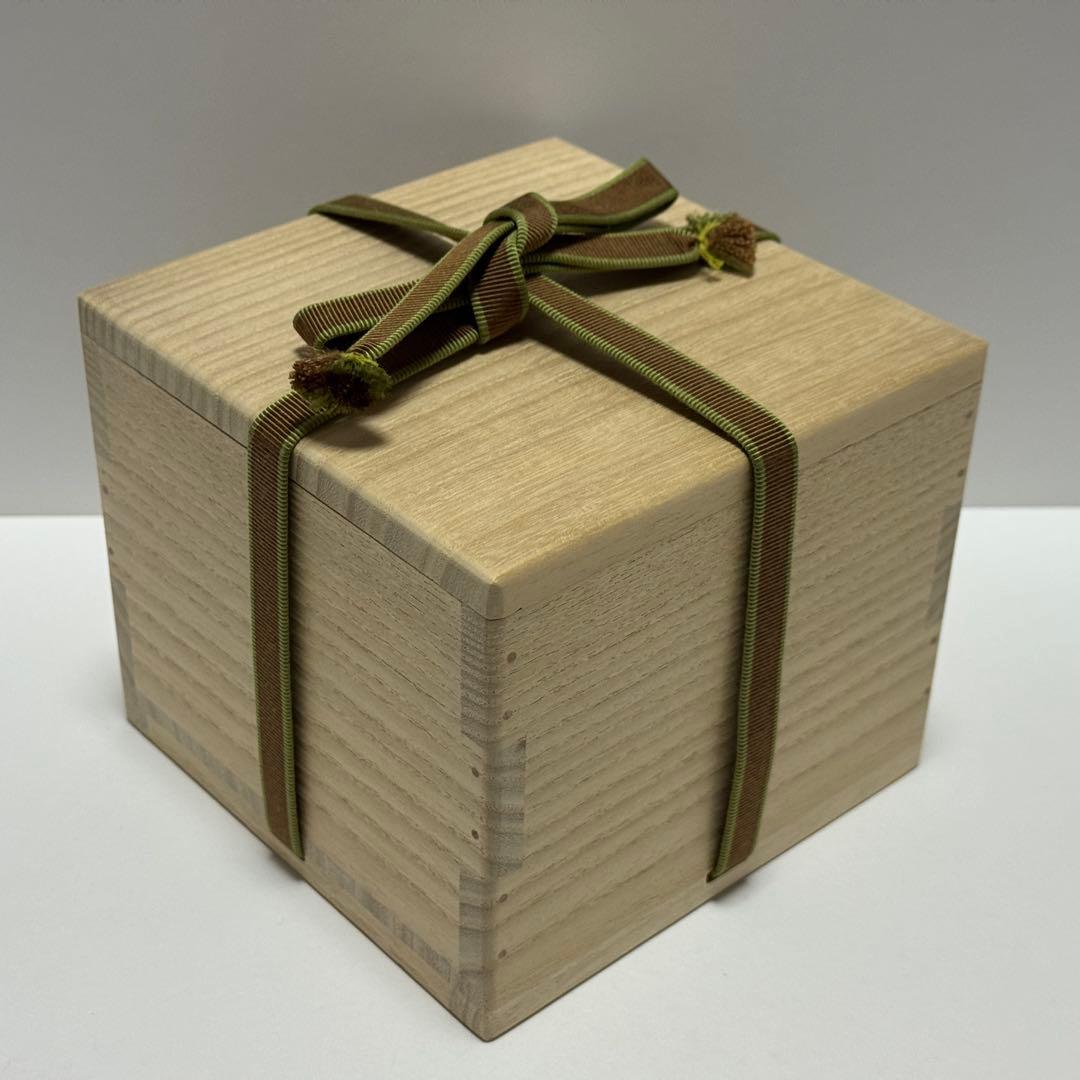
• Box: Signed tomobako inscribed 鳳凰 茶盌
• Condition: Unused — mint, with sharp detail throughout
━━━━━━━━━━━━━━━━━━━━
🔹 [ CULTURAL & ARTISTIC INSIGHT ]
Awata-yaki traces its origins to the Awata district of Kyoto, near the grounds of Chion-in temple, where potters first worked the area's fine-grained clay during the early Edo period. The tradition became distinguished by its warm, cream-toned body and elaborate overglaze enamel decoration — a discipline demanding absolute precision, as each layer of color and gold must be fired separately at descending temperatures. The Kagiya workshop carries this lineage with an emphasis on classical ceremonial subjects.
The phoenix — houou (鳳凰) — holds singular weight in East Asian culture. It does not merely decorate; it announces. In Japanese tea tradition, the houou represents the convergence of virtue, grace, and cosmic harmony. It appears when the world is in balance. To place this motif on a tea bowl is to declare that the act of preparing and receiving tea is itself an occasion worthy of that harmony.
Yasuda Hiroto renders the phoenixes in confident gold line work against the warm Awata clay, their bodies carrying tones of burgundy and purple with precise blue accents at the wing tips. Pine branches — symbols of constancy and longevity — fill the surrounding space in gold, creating a composition so densely layered it rewards sustained attention from every angle.
*"The phoenix does not arrive to ornament. It arrives because the moment calls for it."*
━━━━━━━━━━━━━━━━━━━━
🔹 [ DEEP-DIVE COMMENTARY ]
**Awata-yaki and Kyoto's Ceramic Geography**: While Kiyomizu-yaki often dominates discussions of Kyoto ceramics, Awata-yaki occupies its own distinct lineage. The Awata district's clay produces a characteristically warm, fine-grained body that accepts overglaze enamels with particular clarity. The Kagiya kiln represents one of the workshops that maintained this tradition through generations, preserving techniques that require patient mastery of multi-fire enamel application.
**Kinrande-style Gold Work**: The dense gold decoration on this bowl draws from the kinrande tradition of gold-over-enamel painting. Each phoenix is articulated through individual brushstrokes in gold, with the surrounding pine rendered in the same medium. This is not gilding or transfer — it is painted freehand, demanding a steady hand and deep familiarity with how gold pigment flows at the brush tip.
**The Phoenix in Tea Practice**: In chanoyu, vessel selection is never arbitrary. A houou chawan carries specific seasonal and ceremonial weight — it is chosen for auspicious gatherings, New Year celebrations, or moments when the host wishes to honor the gravity of the occasion. The phoenix signals that this tea is being offered with full intentionality.
**Compositional Density**: Yasuda's approach fills the entire surface without crowding it. The phoenixes occupy the primary visual plane while the pine branches create a secondary layer that unifies the composition. The gold rim line at the mouth provides a clean boundary, framing the imagery below. The result is a bowl that functions as a continuous pictorial field — there is no resting point, only sustained presence.
━━━━━━━━━━━━━━━━━━━━
🔹 [ 日本語解説 ]
【基本情報】
• 作家:安田浩人
• 窯元:鍵屋(京都・粟田)
• 技法:粟田焼・金襴手風色絵
• 寸法:幅11.6cm × 高さ7.9cm
• 状態:未使用・完品
• 付属品:共箱(箱書「鳳凰 茶盌」)
【解説】
粟田焼は京都・粟田口を発祥とする京焼の一系譜であり、知恩院門前の土地で育まれた繊細な素地と華やかな上絵付を特徴とします。鍵屋は粟田焼の伝統を受け継ぐ窯元として、格式ある茶陶を世に送り出してきました。
本作は安田浩人による鳳凰絵茶碗です。金彩の線描で描かれた鳳凰が碗の全面を巡り、その間を松枝の金彩が埋め尽くします。鳳凰の身体には紫・臙脂の色絵が施され、翼端には瑠璃色の点彩が添えられています。粟田土の温かみのある素地に、幾度もの焼成を経て重ねられた色絵と金彩が、格調高い一碗を形成しています。
鳳凰は徳と調和の象徴として、茶の湯では慶事や正月の席に選ばれる吉祥の意匠です。未使用の状態で細部まで鮮明に残る筆致は、この茶碗がまだ一度も茶席に立っていないことを物語っています。
━━━━━━━━━━━━━━━━━━━━
🔹 [ SHIPPING & PACKAGING ]
• Dispatch: Within 1-6 business days
• Carrier: Japan Post EMS / UPS (with tracking)
• Packaging: Carefully wrapped with protective materials
*A vessel that carries the weight of its occasion — not as burden, but as belonging.*
━━━━━━━━━━━━━━━━━━━━
🔹 [ BASIC DETAILS ]
• Artist: Yasuda Hiroto (安田浩人)
• Technique: Kinrande-style overglaze enamel with dense gold line work
• Era: Contemporary (Heisei–Reiwa period)
• Origin: Kyoto, Japan (Awata district — Kagiya Kiln)
• Dimensions: W 11.6 cm × H 7.9 cm (4.6" × 3.1")
• Box: Signed tomobako inscribed 鳳凰 茶盌
• Condition: Unused — mint, with sharp detail throughout
━━━━━━━━━━━━━━━━━━━━
🔹 [ CULTURAL & ARTISTIC INSIGHT ]
Awata-yaki traces its origins to the Awata district of Kyoto, near the grounds of Chion-in temple, where potters first worked the area's fine-grained clay during the early Edo period. The tradition became distinguished by its warm, cream-toned body and elaborate overglaze enamel decoration — a discipline demanding absolute precision, as each layer of color and gold must be fired separately at descending temperatures. The Kagiya workshop carries this lineage with an emphasis on classical ceremonial subjects.
The phoenix — houou (鳳凰) — holds singular weight in East Asian culture. It does not merely decorate; it announces. In Japanese tea tradition, the houou represents the convergence of virtue, grace, and cosmic harmony. It appears when the world is in balance. To place this motif on a tea bowl is to declare that the act of preparing and receiving tea is itself an occasion worthy of that harmony.
Yasuda Hiroto renders the phoenixes in confident gold line work against the warm Awata clay, their bodies carrying tones of burgundy and purple with precise blue accents at the wing tips. Pine branches — symbols of constancy and longevity — fill the surrounding space in gold, creating a composition so densely layered it rewards sustained attention from every angle.
*"The phoenix does not arrive to ornament. It arrives because the moment calls for it."*
━━━━━━━━━━━━━━━━━━━━
🔹 [ DEEP-DIVE COMMENTARY ]
**Awata-yaki and Kyoto's Ceramic Geography**: While Kiyomizu-yaki often dominates discussions of Kyoto ceramics, Awata-yaki occupies its own distinct lineage. The Awata district's clay produces a characteristically warm, fine-grained body that accepts overglaze enamels with particular clarity. The Kagiya kiln represents one of the workshops that maintained this tradition through generations, preserving techniques that require patient mastery of multi-fire enamel application.
**Kinrande-style Gold Work**: The dense gold decoration on this bowl draws from the kinrande tradition of gold-over-enamel painting. Each phoenix is articulated through individual brushstrokes in gold, with the surrounding pine rendered in the same medium. This is not gilding or transfer — it is painted freehand, demanding a steady hand and deep familiarity with how gold pigment flows at the brush tip.
**The Phoenix in Tea Practice**: In chanoyu, vessel selection is never arbitrary. A houou chawan carries specific seasonal and ceremonial weight — it is chosen for auspicious gatherings, New Year celebrations, or moments when the host wishes to honor the gravity of the occasion. The phoenix signals that this tea is being offered with full intentionality.
**Compositional Density**: Yasuda's approach fills the entire surface without crowding it. The phoenixes occupy the primary visual plane while the pine branches create a secondary layer that unifies the composition. The gold rim line at the mouth provides a clean boundary, framing the imagery below. The result is a bowl that functions as a continuous pictorial field — there is no resting point, only sustained presence.
━━━━━━━━━━━━━━━━━━━━
🔹 [ 日本語解説 ]
【基本情報】
• 作家:安田浩人
• 窯元:鍵屋(京都・粟田)
• 技法:粟田焼・金襴手風色絵
• 寸法:幅11.6cm × 高さ7.9cm
• 状態:未使用・完品
• 付属品:共箱(箱書「鳳凰 茶盌」)
【解説】
粟田焼は京都・粟田口を発祥とする京焼の一系譜であり、知恩院門前の土地で育まれた繊細な素地と華やかな上絵付を特徴とします。鍵屋は粟田焼の伝統を受け継ぐ窯元として、格式ある茶陶を世に送り出してきました。
本作は安田浩人による鳳凰絵茶碗です。金彩の線描で描かれた鳳凰が碗の全面を巡り、その間を松枝の金彩が埋め尽くします。鳳凰の身体には紫・臙脂の色絵が施され、翼端には瑠璃色の点彩が添えられています。粟田土の温かみのある素地に、幾度もの焼成を経て重ねられた色絵と金彩が、格調高い一碗を形成しています。
鳳凰は徳と調和の象徴として、茶の湯では慶事や正月の席に選ばれる吉祥の意匠です。未使用の状態で細部まで鮮明に残る筆致は、この茶碗がまだ一度も茶席に立っていないことを物語っています。
━━━━━━━━━━━━━━━━━━━━
🔹 [ SHIPPING & PACKAGING ]
• Dispatch: Within 1-6 business days
• Carrier: Japan Post EMS / UPS (with tracking)
• Packaging: Carefully wrapped with protective materials
*A vessel that carries the weight of its occasion — not as burden, but as belonging.*
Quantity
Couldn't load pickup availability
Low stock: 1 left
View full details