1
/
of
19
Ash Glaze Old Pine Tea Bowl by Somayama Keigetsu - Kyoto Ware Enamel
Ash Glaze Old Pine Tea Bowl by Somayama Keigetsu - Kyoto Ware Enamel
Regular price
Dhs. 1,035.00 AED
Regular price
Sale price
Dhs. 1,035.00 AED
Taxes included.
Shipping calculated at checkout.
Experience authentic Japanese tea ceremony art with this Ash Glaze Tea Bowl featuring an Old Pine Motif. This Matcha Tea Chawan by Somayama Keigetsu serves as a Kyoto Ware Pottery masterwork and Kyo Yaki Ceramic, featuring Overglaze Enamel and Gold Painted Bowl artistry with Pine Tree Design—a must-have for any Art Collector seeking Tea Ceremony Art with Oi Matsu Symbol and Signed Wooden Box provenance.
━━━━━━━━━━━━━━━━━━━━
🔹 [ BASIC DETAILS ]
• Artist: Somayama Keigetsu (杣山契月)
• Technique: Ash glaze with overglaze enamel and gold painting
• Era: Contemporary (Heisei–Reiwa period)
• Origin: Kyoto, Kyoto Prefecture
• Dimensions: Height approx. 7.5 cm (3.0 in), Diameter approx. 12.5 cm (4.9 in)
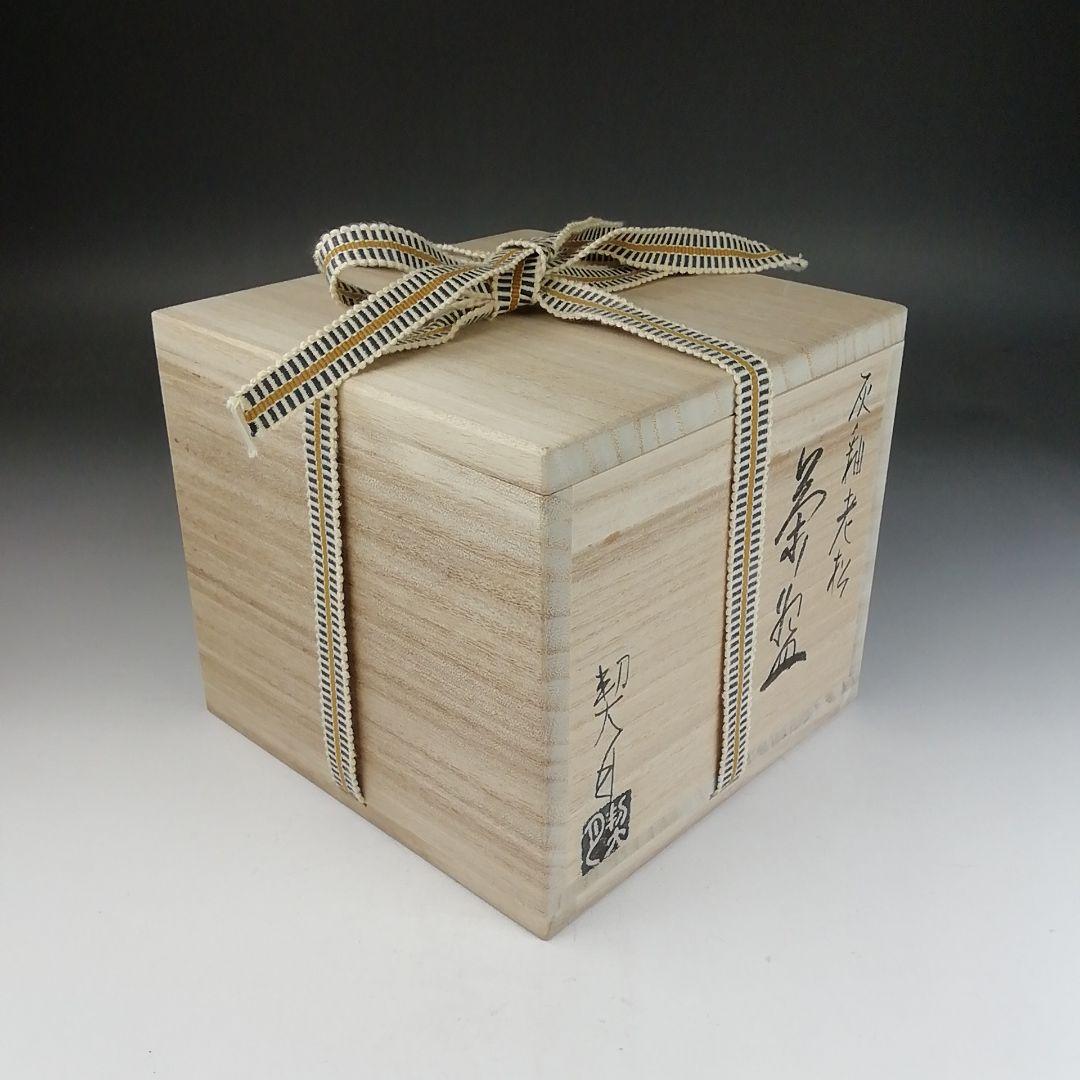
• Box: Signed wooden box (tomobako) with artist seal
• Condition: Excellent — no chips or cracks
━━━━━━━━━━━━━━━━━━━━
🔹 [ CULTURAL & ARTISTIC INSIGHT ]
Kyoto ceramic tradition (Kyo-yaki) developed its distinct identity through close relationship with tea ceremony culture and imperial court aesthetics. While many regional pottery traditions emphasize natural effects and minimal intervention, Kyoto potters maintained expertise in overglaze painting (iro-e) — applying colored enamels and gold after initial glaze firing, then refiring at lower temperatures to fuse decoration to surface. This technique requires precise control and artistic skill, as colors can shift or burn during the second firing.
Somayama Keigetsu works within this painted pottery lineage while choosing subjects with symbolic resonance. The old pine (oi-matsu) motif depicted on this bowl carries associations extending beyond botanical representation. In Japanese culture, aged pine trees symbolize endurance through harsh conditions, maintaining green needles through winter, and developing character through weathering. The gnarled branches and asymmetric growth patterns seen in ancient pines represent strength achieved through adapting to circumstance rather than resisting it.
The composition shows mature pine branches crossing the bowl's exterior, rendered in green enamel with gold accents highlighting needle clusters and bark texture. The painting style references Rinpa school aesthetics — bold shapes, limited color palette, and decorative sensibility that acknowledges the two-dimensional surface while suggesting depth through overlapping elements. The underlying ash glaze provides neutral ground that allows the pine motif to register clearly while maintaining the warm, slightly rough texture associated with tea ceramics.
*"The pine endures winter not through resistance but through remaining itself — green needles against snow, branches shaped by what they have weathered."*
━━━━━━━━━━━━━━━━━━━━
🔹 [ DEEP-DIVE COMMENTARY ]
**Oi-Matsu Symbolism**: Old pine trees hold significant place in Japanese aesthetics and symbolism. They appear frequently in Noh theater (the signature pine painted on stage walls), garden design, and visual arts. The motif represents longevity, constancy, and the beauty that develops through age and exposure to elements. In tea ceremony context, pine imagery connects to wabi-sabi principles where aging and weathering reveal character.
**Overglaze Enamel Technique**: Unlike underglaze painting (applied before glaze, then covered during firing), overglaze decoration sits atop the glaze surface. This allows brighter colors and metallic effects (gold, silver) but requires additional firing at 750–850°C. The technique demands skill in brush control, color formulation, and firing management to prevent decoration from blistering or burning.
**Kyoto Painting Tradition**: Kyoto's position as imperial capital and cultural center fostered ceramic painting traditions influenced by lacquerware, textile design, and screen painting. Potters absorbed aesthetic principles from these disciplines, applying them to ceramic surfaces. The result combines functional pottery with decorative arts sophistication.
**Ash Glaze Base**: The warm gray-white ash glaze provides textural contrast to the smooth enamel painting. The fine crackling in the base glaze creates visual interest without competing with the pine motif. This demonstrates understanding of how surface texture and decoration interact — too much texture would fragment the painting, too little would make the surface monotonous.
━━━━━━━━━━━━━━━━━━━━
🔹 [ 日本語解説 ]
【基本情報】
• 作家:杣山契月
• 技法:灰釉・上絵(緑彩・金彩)
• 時代:平成〜令和
• 産地:京都府京都市
• 寸法:高さ約7.5cm、口径約12.5cm
• 付属:共箱(作家署名・落款入り)
• 状態:無傷・良好
【解説】
京焼の伝統を受け継ぐ杣山契月による、老松文様の茶碗です。灰釉の温かみのある白灰色の地に、緑彩と金彩で老松が描かれています。老松は、長寿・不変・耐久の象徴として、日本の美術や文化の中で重要な位置を占めてきました。能舞台の鏡板に描かれる松、庭園に植えられる松、そして茶陶に描かれる松は、いずれも単なる植物を超えた精神性を宿しています。
本作品の松は、枝ぶりと針葉の描写に作家の筆致が生きており、琳派的な装飾性を感じさせます。緑の濃淡で表現された松葉、金彩で強調された枝の質感は、上絵付けの技術を存分に活かした表現です。上絵付けとは、本焼成後に釉薬の上から絵付けを施し、低温で再度焼成する技法で、鮮やかな発色と金銀の使用を可能にします。
京焼は、御所や茶人との密接な関係の中で発展し、絵付けの技術に秀でた作品を多く生み出してきました。灰釉の地肌に見られる細かな貫入が、絵付けの華やかさと対比し、見る角度によって表情を変える奥行きのある景色を作り出しています。
━━━━━━━━━━━━━━━━━━━━
🔹 [ SHIPPING & PACKAGING ]
• Dispatch: Within 1-6 business days
• Carrier: Japan Post EMS / UPS (with tracking)
• Packaging: Carefully wrapped with protective materials
*Evergreen through seasons, shaped by what endures.*
━━━━━━━━━━━━━━━━━━━━
🔹 [ BASIC DETAILS ]
• Artist: Somayama Keigetsu (杣山契月)
• Technique: Ash glaze with overglaze enamel and gold painting
• Era: Contemporary (Heisei–Reiwa period)
• Origin: Kyoto, Kyoto Prefecture
• Dimensions: Height approx. 7.5 cm (3.0 in), Diameter approx. 12.5 cm (4.9 in)
• Box: Signed wooden box (tomobako) with artist seal
• Condition: Excellent — no chips or cracks
━━━━━━━━━━━━━━━━━━━━
🔹 [ CULTURAL & ARTISTIC INSIGHT ]
Kyoto ceramic tradition (Kyo-yaki) developed its distinct identity through close relationship with tea ceremony culture and imperial court aesthetics. While many regional pottery traditions emphasize natural effects and minimal intervention, Kyoto potters maintained expertise in overglaze painting (iro-e) — applying colored enamels and gold after initial glaze firing, then refiring at lower temperatures to fuse decoration to surface. This technique requires precise control and artistic skill, as colors can shift or burn during the second firing.
Somayama Keigetsu works within this painted pottery lineage while choosing subjects with symbolic resonance. The old pine (oi-matsu) motif depicted on this bowl carries associations extending beyond botanical representation. In Japanese culture, aged pine trees symbolize endurance through harsh conditions, maintaining green needles through winter, and developing character through weathering. The gnarled branches and asymmetric growth patterns seen in ancient pines represent strength achieved through adapting to circumstance rather than resisting it.
The composition shows mature pine branches crossing the bowl's exterior, rendered in green enamel with gold accents highlighting needle clusters and bark texture. The painting style references Rinpa school aesthetics — bold shapes, limited color palette, and decorative sensibility that acknowledges the two-dimensional surface while suggesting depth through overlapping elements. The underlying ash glaze provides neutral ground that allows the pine motif to register clearly while maintaining the warm, slightly rough texture associated with tea ceramics.
*"The pine endures winter not through resistance but through remaining itself — green needles against snow, branches shaped by what they have weathered."*
━━━━━━━━━━━━━━━━━━━━
🔹 [ DEEP-DIVE COMMENTARY ]
**Oi-Matsu Symbolism**: Old pine trees hold significant place in Japanese aesthetics and symbolism. They appear frequently in Noh theater (the signature pine painted on stage walls), garden design, and visual arts. The motif represents longevity, constancy, and the beauty that develops through age and exposure to elements. In tea ceremony context, pine imagery connects to wabi-sabi principles where aging and weathering reveal character.
**Overglaze Enamel Technique**: Unlike underglaze painting (applied before glaze, then covered during firing), overglaze decoration sits atop the glaze surface. This allows brighter colors and metallic effects (gold, silver) but requires additional firing at 750–850°C. The technique demands skill in brush control, color formulation, and firing management to prevent decoration from blistering or burning.
**Kyoto Painting Tradition**: Kyoto's position as imperial capital and cultural center fostered ceramic painting traditions influenced by lacquerware, textile design, and screen painting. Potters absorbed aesthetic principles from these disciplines, applying them to ceramic surfaces. The result combines functional pottery with decorative arts sophistication.
**Ash Glaze Base**: The warm gray-white ash glaze provides textural contrast to the smooth enamel painting. The fine crackling in the base glaze creates visual interest without competing with the pine motif. This demonstrates understanding of how surface texture and decoration interact — too much texture would fragment the painting, too little would make the surface monotonous.
━━━━━━━━━━━━━━━━━━━━
🔹 [ 日本語解説 ]
【基本情報】
• 作家:杣山契月
• 技法:灰釉・上絵(緑彩・金彩)
• 時代:平成〜令和
• 産地:京都府京都市
• 寸法:高さ約7.5cm、口径約12.5cm
• 付属:共箱(作家署名・落款入り)
• 状態:無傷・良好
【解説】
京焼の伝統を受け継ぐ杣山契月による、老松文様の茶碗です。灰釉の温かみのある白灰色の地に、緑彩と金彩で老松が描かれています。老松は、長寿・不変・耐久の象徴として、日本の美術や文化の中で重要な位置を占めてきました。能舞台の鏡板に描かれる松、庭園に植えられる松、そして茶陶に描かれる松は、いずれも単なる植物を超えた精神性を宿しています。
本作品の松は、枝ぶりと針葉の描写に作家の筆致が生きており、琳派的な装飾性を感じさせます。緑の濃淡で表現された松葉、金彩で強調された枝の質感は、上絵付けの技術を存分に活かした表現です。上絵付けとは、本焼成後に釉薬の上から絵付けを施し、低温で再度焼成する技法で、鮮やかな発色と金銀の使用を可能にします。
京焼は、御所や茶人との密接な関係の中で発展し、絵付けの技術に秀でた作品を多く生み出してきました。灰釉の地肌に見られる細かな貫入が、絵付けの華やかさと対比し、見る角度によって表情を変える奥行きのある景色を作り出しています。
━━━━━━━━━━━━━━━━━━━━
🔹 [ SHIPPING & PACKAGING ]
• Dispatch: Within 1-6 business days
• Carrier: Japan Post EMS / UPS (with tracking)
• Packaging: Carefully wrapped with protective materials
*Evergreen through seasons, shaped by what endures.*
Quantity
Couldn't load pickup availability
Out of stock
View full details