1
/
of
9
Ash Glaze Chawan by Junshi — Blue-Grey Iron Landscape Matcha Bowl, Dated 1972, with Tomobako
Ash Glaze Chawan by Junshi — Blue-Grey Iron Landscape Matcha Bowl, Dated 1972, with Tomobako
Regular price
Dhs. 597.00 AED
Regular price
Sale price
Dhs. 597.00 AED
Taxes included.
Shipping calculated at checkout.
Experience Authentic Japan Art with this Ash Glaze Matcha Bowl by Junshi. This Japanese Pottery Chawan serves as a Tea Ceremony Bowl and Wabi Sabi Tea Bowl, featuring Blue-Grey Ash Glaze and Iron Brush Landscape—a must-have for any Art Collector seeking Handmade Japanese Ceramics and Vintage Japanese Tea Bowl with Showa-era provenance and documented 1972 dating.
🔹 [ BASIC DETAILS ]
• Artist: Junshi (淳志) — personal studio work
• Technique: Wheel-thrown, wood-ash or mineral ash glaze, iron pigment landscape banding
• Era: Showa period — dated Showa 47 (1972), documented on tomobako lid: "S47年10月15日 日光にて"
• Origin: Japan (created in Nikko, Tochigi Prefecture, October 1972)
• Dimensions: Approx. 13 cm diameter × 8 cm height
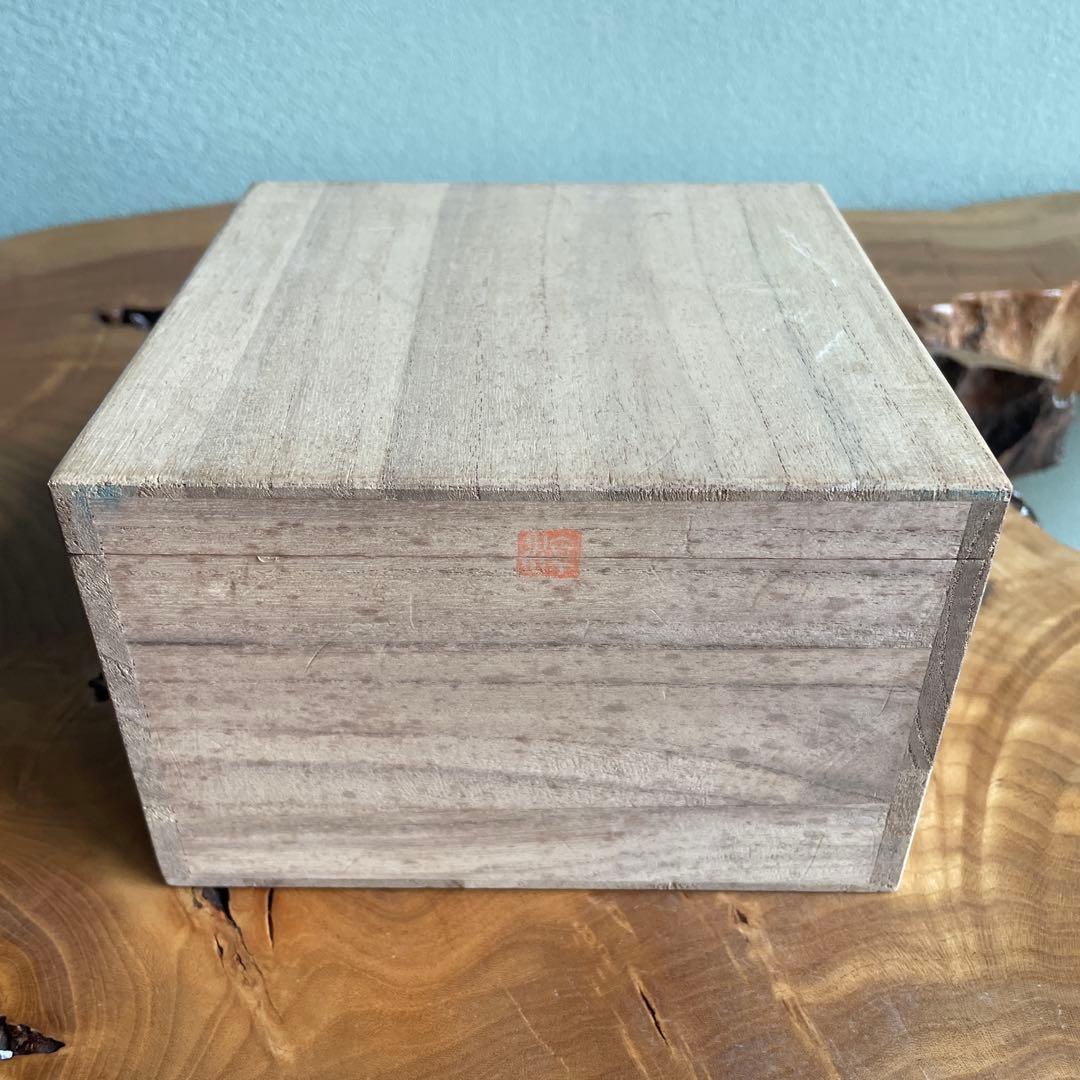
• Box: Tomobako (original wooden box) included — good condition
• Condition: No cracks, no chips — excellent
🔹 [ Cultural & Artistic Insight ]
Historical Context — The year 1972 sits at a pivotal moment in postwar Japanese ceramic history: the studio pottery movement (民芸, mingei) that Yanagi Soetsu and Hamada Shoji had pioneered was now fully mainstream, and a generation of individual potters trained in both classical and experimental traditions were producing personal work of deep integrity. Junshi's bowl, made in Nikko in October 1972, is a time capsule from that generative decade.
Technique & Aesthetic — The exterior presents a complex layered surface: a foundational blue-grey ash glaze is crossed by flowing bands of iron-brown and charcoal pigment that cascade down the shoulder and waist of the bowl, evoking mountain mist or stream-water over stone. This keshiki (景色, landscape-within-the-glaze) effect is achieved by applying iron wash over the base glaze and allowing the kiln's heat to carry it in natural, unpredictable rivulets. The interior is a cooler, purer pale grey-blue. The foot ring, visible in the base image, bears a carved spiral seal—Junshi's personal mark—and the rough unglazed clay of the foot ring reveals a coarse, mineral-rich body.
Philosophical Reflection — The inscription on the box lid — "S47年10月15日 日光にて" (Showa 47, October 15, at Nikko) — transforms this bowl from an anonymous craft object into a memoir fragment. Nikko, the mountain shrine town of Tochigi Prefecture, is renowned for its autumn foliage: the hills would have been burning with red maples and golden ginkgo on that October day. It is tempting to read the iron landscape cascading across the glaze as Junshi's record of that autumn—the mountain, the falling color, the passage of a day into ceramic permanence.
🔹 [ Deep-Dive Commentary ]
The tomobako is inscribed with "灰釉茶碗" (Hai-yū Chawan — ash-glazed tea bowl) and Junshi's seal, alongside the precise date and location inscription that makes this piece unusually documented for a non-famous artist's work. Most studio pottery of this era lacks such precise provenance; the fact that Junshi recorded the day and place on the box lid speaks to the maker's sense that this particular bowl was significant.
The form is a robust hirachawan with a distinctive waist—slightly narrower at mid-body than at rim and base—giving the bowl a sculptural sense of tension. At 13 cm wide and 8 cm tall, it sits in the hand with comfortable weight, the ash glaze cool to the touch. The iron landscape banding wraps asymmetrically around the exterior, ensuring no two views of the bowl are identical.
The carved spiral seal on the foot ring base is an unusual personal mark—most potters use stamped seals. The decision to carve suggests either a deliberate statement of individuality or that this bowl was made during a period before Junshi adopted a standard seal. Either way, it adds to the bowl's documentary interest.
For collectors who value provenance and documented history, this bowl offers more than aesthetic pleasure: it offers a specific moment in time—an autumn afternoon at the edge of Nikko's mountains, 1972—frozen in clay and glaze.
Ash glaze ware (灰釉) experienced a significant revival during the mingei movement, with potters seeking to replicate the natural wood-ash glazes of ancient Shigaraki and Tamba kilns. Junshi's bowl participates in that revival while adding a personal landscape narrative that is entirely its own.
━━━━━━━━━━━━━━━━━━━━━━━━━━━━━━━
[ JAPANESE DESCRIPTION / 日本語解説 ]
━━━━━━━━━━━━━━━━━━━━━━━━━━━━━━━
【基本情報】
• 作者:淳志(個人工房)
• 技法:轆轤成形、灰釉、鉄砂流し掛け
• 時代:昭和47年(1972年)10月15日 — 共箱に明記
• 制作地:栃木県日光("S47年10月15日 日光にて" 箱書き)
• サイズ:口径約13cm、高さ約8cm
• 付属:共箱(良好)
• 状態:ヒビ・カケなし、良好
【文化・芸術的背景】
1972年は、民芸運動が定着し、個人窯の陶芸家たちが旺盛な創作活動を展開した時代です。淳志による本茶碗は昭和47年10月15日、日光にて制作されたことが共箱蓋裏に明記されており、作家自身がこの一碗に特別な記録的意味を見出していたことが伝わります。
青灰色の灰釉を地色に、鉄砂が肩から腰へと流れ落ちる景色は、日光の山霧や清流を思わせます。日光の紅葉が最も美しく燃える10月のある一日が、釉薬と炎によって永遠に凝縮された一碗です。内側は澄んだ灰青色。高台裏には渦巻き状の陰刻印—淳志の個性的な作家印。
【作品詳細】
共箱には「灰釉茶碗」と淳志の印、そして制作年月日と制作地が記されています。この精緻な記録は無名作家の作品としては極めて珍しく、本茶碗の資料的価値を高めています。口径13cmの平茶碗形で腰に独特の絞りがあり、触れると灰釉の涼やかな感触が手に伝わります。外面の鉄砂の流れは非対称で、どの角度から見ても異なる景色を見せます。
🔹 [ SHIPPING & PACKAGING ]
• Dispatch: Within 1-6 business days
• Carrier: Japan Post EMS / UPS (with tracking)
• Packaging: Carefully wrapped with protective materials
🔹 [ BASIC DETAILS ]
• Artist: Junshi (淳志) — personal studio work
• Technique: Wheel-thrown, wood-ash or mineral ash glaze, iron pigment landscape banding
• Era: Showa period — dated Showa 47 (1972), documented on tomobako lid: "S47年10月15日 日光にて"
• Origin: Japan (created in Nikko, Tochigi Prefecture, October 1972)
• Dimensions: Approx. 13 cm diameter × 8 cm height
• Box: Tomobako (original wooden box) included — good condition
• Condition: No cracks, no chips — excellent
🔹 [ Cultural & Artistic Insight ]
Historical Context — The year 1972 sits at a pivotal moment in postwar Japanese ceramic history: the studio pottery movement (民芸, mingei) that Yanagi Soetsu and Hamada Shoji had pioneered was now fully mainstream, and a generation of individual potters trained in both classical and experimental traditions were producing personal work of deep integrity. Junshi's bowl, made in Nikko in October 1972, is a time capsule from that generative decade.
Technique & Aesthetic — The exterior presents a complex layered surface: a foundational blue-grey ash glaze is crossed by flowing bands of iron-brown and charcoal pigment that cascade down the shoulder and waist of the bowl, evoking mountain mist or stream-water over stone. This keshiki (景色, landscape-within-the-glaze) effect is achieved by applying iron wash over the base glaze and allowing the kiln's heat to carry it in natural, unpredictable rivulets. The interior is a cooler, purer pale grey-blue. The foot ring, visible in the base image, bears a carved spiral seal—Junshi's personal mark—and the rough unglazed clay of the foot ring reveals a coarse, mineral-rich body.
Philosophical Reflection — The inscription on the box lid — "S47年10月15日 日光にて" (Showa 47, October 15, at Nikko) — transforms this bowl from an anonymous craft object into a memoir fragment. Nikko, the mountain shrine town of Tochigi Prefecture, is renowned for its autumn foliage: the hills would have been burning with red maples and golden ginkgo on that October day. It is tempting to read the iron landscape cascading across the glaze as Junshi's record of that autumn—the mountain, the falling color, the passage of a day into ceramic permanence.
🔹 [ Deep-Dive Commentary ]
The tomobako is inscribed with "灰釉茶碗" (Hai-yū Chawan — ash-glazed tea bowl) and Junshi's seal, alongside the precise date and location inscription that makes this piece unusually documented for a non-famous artist's work. Most studio pottery of this era lacks such precise provenance; the fact that Junshi recorded the day and place on the box lid speaks to the maker's sense that this particular bowl was significant.
The form is a robust hirachawan with a distinctive waist—slightly narrower at mid-body than at rim and base—giving the bowl a sculptural sense of tension. At 13 cm wide and 8 cm tall, it sits in the hand with comfortable weight, the ash glaze cool to the touch. The iron landscape banding wraps asymmetrically around the exterior, ensuring no two views of the bowl are identical.
The carved spiral seal on the foot ring base is an unusual personal mark—most potters use stamped seals. The decision to carve suggests either a deliberate statement of individuality or that this bowl was made during a period before Junshi adopted a standard seal. Either way, it adds to the bowl's documentary interest.
For collectors who value provenance and documented history, this bowl offers more than aesthetic pleasure: it offers a specific moment in time—an autumn afternoon at the edge of Nikko's mountains, 1972—frozen in clay and glaze.
Ash glaze ware (灰釉) experienced a significant revival during the mingei movement, with potters seeking to replicate the natural wood-ash glazes of ancient Shigaraki and Tamba kilns. Junshi's bowl participates in that revival while adding a personal landscape narrative that is entirely its own.
━━━━━━━━━━━━━━━━━━━━━━━━━━━━━━━
[ JAPANESE DESCRIPTION / 日本語解説 ]
━━━━━━━━━━━━━━━━━━━━━━━━━━━━━━━
【基本情報】
• 作者:淳志(個人工房)
• 技法:轆轤成形、灰釉、鉄砂流し掛け
• 時代:昭和47年(1972年)10月15日 — 共箱に明記
• 制作地:栃木県日光("S47年10月15日 日光にて" 箱書き)
• サイズ:口径約13cm、高さ約8cm
• 付属:共箱(良好)
• 状態:ヒビ・カケなし、良好
【文化・芸術的背景】
1972年は、民芸運動が定着し、個人窯の陶芸家たちが旺盛な創作活動を展開した時代です。淳志による本茶碗は昭和47年10月15日、日光にて制作されたことが共箱蓋裏に明記されており、作家自身がこの一碗に特別な記録的意味を見出していたことが伝わります。
青灰色の灰釉を地色に、鉄砂が肩から腰へと流れ落ちる景色は、日光の山霧や清流を思わせます。日光の紅葉が最も美しく燃える10月のある一日が、釉薬と炎によって永遠に凝縮された一碗です。内側は澄んだ灰青色。高台裏には渦巻き状の陰刻印—淳志の個性的な作家印。
【作品詳細】
共箱には「灰釉茶碗」と淳志の印、そして制作年月日と制作地が記されています。この精緻な記録は無名作家の作品としては極めて珍しく、本茶碗の資料的価値を高めています。口径13cmの平茶碗形で腰に独特の絞りがあり、触れると灰釉の涼やかな感触が手に伝わります。外面の鉄砂の流れは非対称で、どの角度から見ても異なる景色を見せます。
🔹 [ SHIPPING & PACKAGING ]
• Dispatch: Within 1-6 business days
• Carrier: Japan Post EMS / UPS (with tracking)
• Packaging: Carefully wrapped with protective materials
Quantity
Couldn't load pickup availability
Low stock: 1 left
View full details