1
/
of
17
Asai Junsuke Karatsu Tea Bowl - Wide Togasa Form Ash Glazed Chawan
Asai Junsuke Karatsu Tea Bowl - Wide Togasa Form Ash Glazed Chawan
Regular price
Dhs. 844.00 AED
Regular price
Sale price
Dhs. 844.00 AED
Taxes included.
Shipping calculated at checkout.
Experience authentic Japanese Karatsu ware with this Asai Junsuke Karatsu Tea Bowl. This Togasa Form Chawan serves as a Saga Prefecture Masterwork and Ash Glazed Stoneware, featuring Korean Ceramic Lineage and Wood Ash Glaze—a must-have for any Art Collector seeking Japanese Tea Bowls and Wabi Sabi Pottery.
━━━━━━━━━━━━━━━━━━━━
🔹 [ BASIC DETAILS ]
• Artist: Asai Junsuke (浅井純介)
• Type: Karatsu Chawan (唐津茶碗)
• Technique: Karatsu ware — ash-glazed stoneware
• Era: Contemporary
• Origin: Karatsu, Saga Prefecture, Japan
• Dimensions: Dia approx. 14.6–15.4 cm × H approx. 6.3 cm
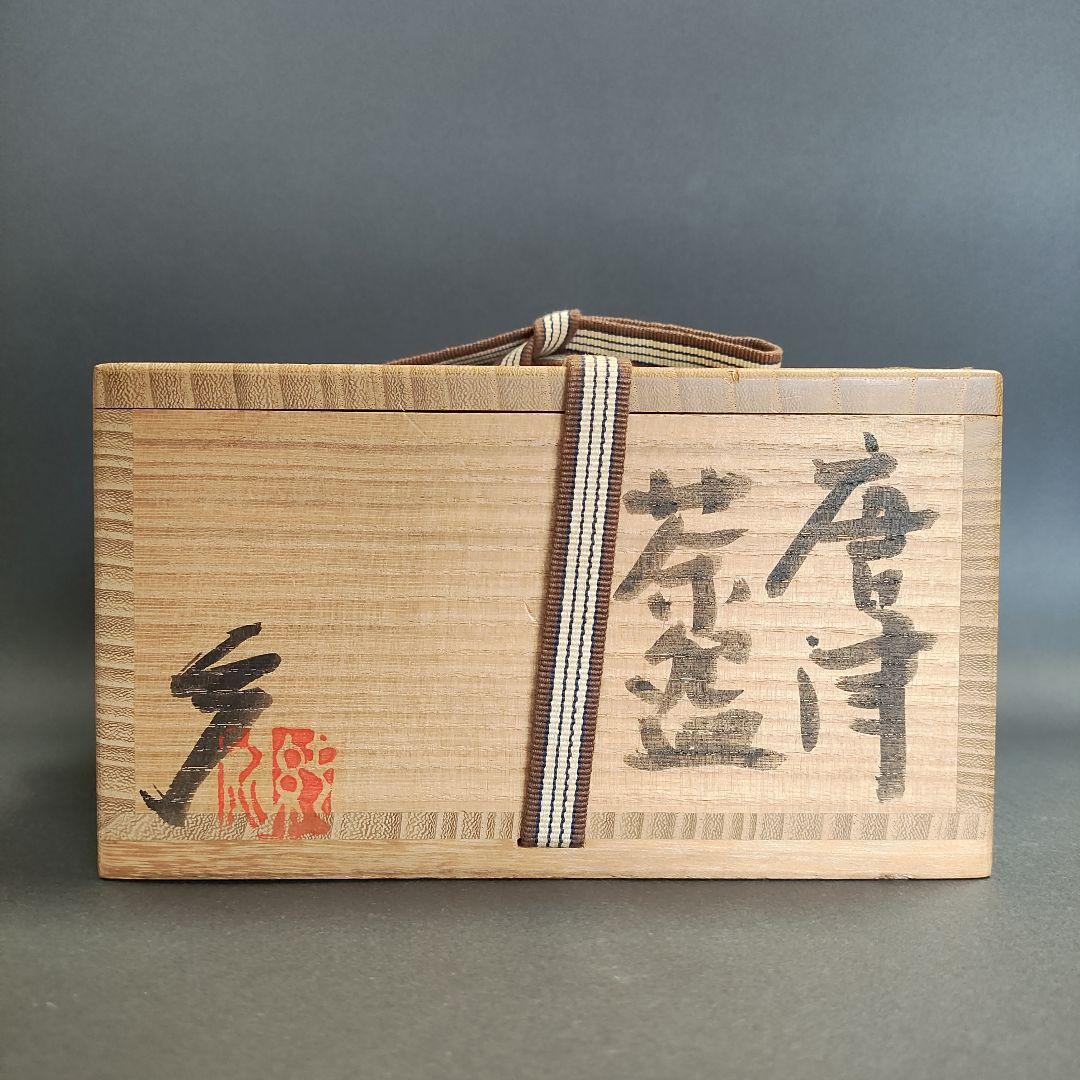
• Box: Tomobako (signed wooden box) with cloth wrapper
• Condition: Excellent
━━━━━━━━━━━━━━━━━━━━
🔹 [ CULTURAL & ARTISTIC INSIGHT ]
Karatsu ware occupies a singular position in the world of chanoyu. Born from the direct transmission of Korean ceramic techniques to northern Kyushu in the late sixteenth century, Karatsu became one of the most favored wares among tea masters of the Momoyama and early Edo periods. The saying "Ichi Raku, Ni Hagi, San Karatsu" (first Raku, second Hagi, third Karatsu) speaks to the enduring regard for these quiet, earth-toned vessels in the tea room.
The togasa (斗笠) form — a wide, shallow cone resembling an inverted hat — traces its origins to Song dynasty Chinese and Goryeo-period Korean ceramics. In the context of Karatsu, this open silhouette invites the drinker into a broad surface of glaze and clay, turning each bowl of tea into a contemplative landscape.
*"A wide bowl opens like a quiet horizon — the glaze holds the sky, the clay holds the earth."*
━━━━━━━━━━━━━━━━━━━━
🔹 [ DEEP-DIVE COMMENTARY ]
**Karatsu Heritage**: Karatsu ware was born when Korean potters, brought to Kyushu following Toyotomi Hideyoshi's campaigns of the 1590s, established kilns in the Karatsu region. Their techniques — climbing kilns, paddle-and-anvil forming, ash glazing — merged with Japanese tea sensibility to create a tradition that endures to this day. Karatsu's position in the tea hierarchy reflects the value placed on its quiet, unassuming character.
**Togasa Form**: Asai's interpretation is restrained and assured. The wide conical profile references the togasa (斗笠 / measuring-hat) shape found in Korean and Chinese ceramics — a form that maximizes the viewing surface and creates an intimate relationship between drinker and glaze. The grey-green ash glaze carries a fine speckled texture, its surface alive with the quiet irregularities that only wood-ash glazing can produce.
**Surface and Clay**: Subtle incised marks on the outer body suggest the trace of a tool drawn across the leather-hard clay — gestural notations rather than decoration. At the small, defined foot ring, the reddish-brown iron-rich clay stands exposed, anchoring the entire form in material honesty. The rim follows an organic, undulating line that refuses symmetry.
**Material Honesty**: This is Karatsu at its most essential: earth, ash, fire, and the cultural weight of a tradition that values what the kiln reveals over what the potter imposes.
━━━━━━━━━━━━━━━━━━━━
🔹 [ 日本語解説 ]
【基本情報】
• 作家:浅井純介
• 技法:唐津焼(灰釉)
• 時代:現代
• 産地:唐津・佐賀県
• 寸法:径 約14.6〜15.4cm × 高 約6.3cm
• 付属:共箱(署名入り)・布
• 状態:良好
【解説】
浅井純介による唐津茶碗です。斗笠(とがさ)形と呼ばれる浅く大きく開いた形は、高麗・宋代の器形に由来し、唐津焼の伝統的な姿の一つです。
灰緑色の灰釉は細かな斑点を帯び、胴部外面にはヘラ目のような線刻が見られます。小ぶりな高台には赤褐色の鉄分の多い素地が露出し、素材の力強さを伝えます。口縁の揺らぎが手仕事の温かみを感じさせる一碗です。
━━━━━━━━━━━━━━━━━━━━
🔹 [ SHIPPING & PACKAGING ]
• Dispatch: Within 1-6 business days
• Carrier: Japan Post EMS / UPS (with tracking)
• Packaging: Carefully wrapped with protective materials
*A wide bowl opens like a quiet horizon — where ash meets earth and the kiln writes the rest.*
━━━━━━━━━━━━━━━━━━━━
🔹 [ BASIC DETAILS ]
• Artist: Asai Junsuke (浅井純介)
• Type: Karatsu Chawan (唐津茶碗)
• Technique: Karatsu ware — ash-glazed stoneware
• Era: Contemporary
• Origin: Karatsu, Saga Prefecture, Japan
• Dimensions: Dia approx. 14.6–15.4 cm × H approx. 6.3 cm
• Box: Tomobako (signed wooden box) with cloth wrapper
• Condition: Excellent
━━━━━━━━━━━━━━━━━━━━
🔹 [ CULTURAL & ARTISTIC INSIGHT ]
Karatsu ware occupies a singular position in the world of chanoyu. Born from the direct transmission of Korean ceramic techniques to northern Kyushu in the late sixteenth century, Karatsu became one of the most favored wares among tea masters of the Momoyama and early Edo periods. The saying "Ichi Raku, Ni Hagi, San Karatsu" (first Raku, second Hagi, third Karatsu) speaks to the enduring regard for these quiet, earth-toned vessels in the tea room.
The togasa (斗笠) form — a wide, shallow cone resembling an inverted hat — traces its origins to Song dynasty Chinese and Goryeo-period Korean ceramics. In the context of Karatsu, this open silhouette invites the drinker into a broad surface of glaze and clay, turning each bowl of tea into a contemplative landscape.
*"A wide bowl opens like a quiet horizon — the glaze holds the sky, the clay holds the earth."*
━━━━━━━━━━━━━━━━━━━━
🔹 [ DEEP-DIVE COMMENTARY ]
**Karatsu Heritage**: Karatsu ware was born when Korean potters, brought to Kyushu following Toyotomi Hideyoshi's campaigns of the 1590s, established kilns in the Karatsu region. Their techniques — climbing kilns, paddle-and-anvil forming, ash glazing — merged with Japanese tea sensibility to create a tradition that endures to this day. Karatsu's position in the tea hierarchy reflects the value placed on its quiet, unassuming character.
**Togasa Form**: Asai's interpretation is restrained and assured. The wide conical profile references the togasa (斗笠 / measuring-hat) shape found in Korean and Chinese ceramics — a form that maximizes the viewing surface and creates an intimate relationship between drinker and glaze. The grey-green ash glaze carries a fine speckled texture, its surface alive with the quiet irregularities that only wood-ash glazing can produce.
**Surface and Clay**: Subtle incised marks on the outer body suggest the trace of a tool drawn across the leather-hard clay — gestural notations rather than decoration. At the small, defined foot ring, the reddish-brown iron-rich clay stands exposed, anchoring the entire form in material honesty. The rim follows an organic, undulating line that refuses symmetry.
**Material Honesty**: This is Karatsu at its most essential: earth, ash, fire, and the cultural weight of a tradition that values what the kiln reveals over what the potter imposes.
━━━━━━━━━━━━━━━━━━━━
🔹 [ 日本語解説 ]
【基本情報】
• 作家:浅井純介
• 技法:唐津焼(灰釉)
• 時代:現代
• 産地:唐津・佐賀県
• 寸法:径 約14.6〜15.4cm × 高 約6.3cm
• 付属:共箱(署名入り)・布
• 状態:良好
【解説】
浅井純介による唐津茶碗です。斗笠(とがさ)形と呼ばれる浅く大きく開いた形は、高麗・宋代の器形に由来し、唐津焼の伝統的な姿の一つです。
灰緑色の灰釉は細かな斑点を帯び、胴部外面にはヘラ目のような線刻が見られます。小ぶりな高台には赤褐色の鉄分の多い素地が露出し、素材の力強さを伝えます。口縁の揺らぎが手仕事の温かみを感じさせる一碗です。
━━━━━━━━━━━━━━━━━━━━
🔹 [ SHIPPING & PACKAGING ]
• Dispatch: Within 1-6 business days
• Carrier: Japan Post EMS / UPS (with tracking)
• Packaging: Carefully wrapped with protective materials
*A wide bowl opens like a quiet horizon — where ash meets earth and the kiln writes the rest.*
Quantity
Couldn't load pickup availability
Low stock: 1 left
View full details