1
/
of
10
Aka-Shino Tsutsuchawan with Imperial Theme (Chokudai) by Kato Kiyoharu, Signed Box
Aka-Shino Tsutsuchawan with Imperial Theme (Chokudai) by Kato Kiyoharu, Signed Box
Regular price
Dhs. 733.00 AED
Regular price
Sale price
Dhs. 733.00 AED
Taxes included.
Shipping calculated at checkout.
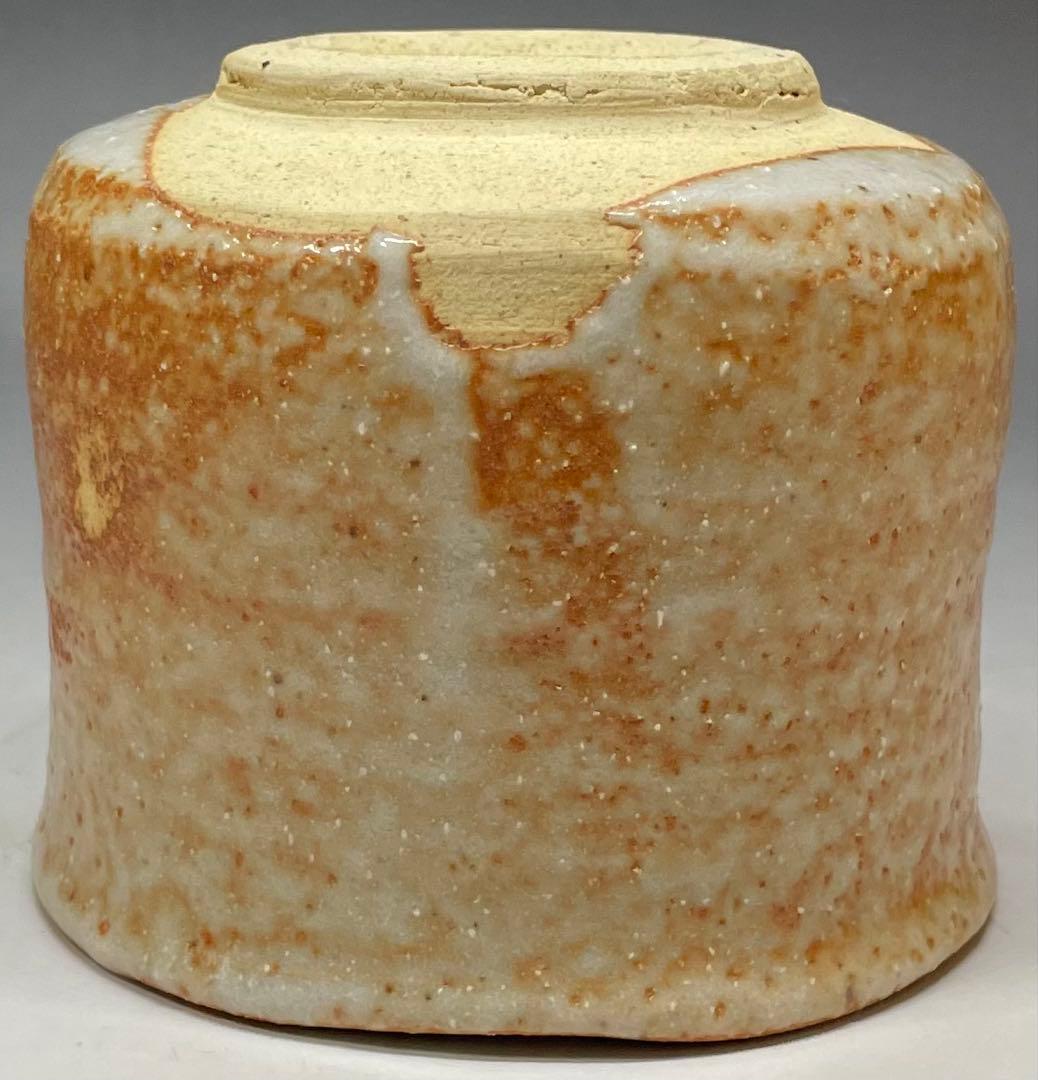
A tsutsu-form aka-shino chawan by Kato Kiyoharu — the cylindrical body carrying the Imperial chokudai theme "hare" (晴, clear sky), its iron-rich clay body breaking through a white feldspar glaze in broad, unhurried rivers of rust-amber and cream. The surface is neither decorated nor controlled; it is read.
🔹 [ BASIC DETAILS ]
• Artist: Kato Kiyoharu (加藤清春)
• Technique: Aka-shino (赤志野) — Mino ware, iron-bodied clay with feldspar glaze
• Theme: Chokudai (勅題) — Imperial New Year poetry theme, "Hare" (晴 / clear sky)
• Form: Tsutsu-chawan (筒茶碗 / cylindrical tea bowl)
• Origin: Mino, Gifu Prefecture, Japan
• Dimensions: Height approx. 8.8 cm, Mouth diameter approx. 9.3 cm, Foot diameter approx. 5.8 cm
• Box: Artist-signed wooden box (四方桟共箱 / yohozan tomobako) with inscription and seal
• Cloth: Original storage cloth (共布 / tomobuno) included
• Condition: Very good. No cracks, chips, or repairs visible. Interior shows expected light use patina consistent with age.
🔹 [ CULTURAL & ARTISTIC INSIGHT ]
The chokudai — the Imperial poetry theme announced each New Year — has shaped Japanese cultural production for centuries. To make a chawan in response to it is an act of artistic discipline: form and glaze must carry the theme without illustrating it. Kato Kiyoharu chose aka-shino for "hare," clear sky after rain or winter — and the choice is legible. The white glaze breaks and drifts across the amber body the way light moves across a winter morning when the clouds clear.
Aka-shino (赤志野), the "red" or "pink" Shino variant, achieves its color through high iron content in the clay itself, which fires to characteristic rust-orange wherever the feldspar glaze thins or breaks. The contrast — warm orange ground against milky white — is the fundamental landscape of this ware: not painted, not applied, but structural. It is what the clay and the kiln did together.
The tsutsu form (cylindrical), held upright and slightly taller than a standard bowl, warms tea slowly and holds heat well — a considered choice for winter temae. Its silhouette is direct, almost architectural, yet the glaze surface is anything but regular. The rim is slightly undulating; the foot modest and unhurried.
The wooden box bears the inscription 勅題茶盃 晴 and the artist's seal 清春 — confirming both the Imperial theme lineage and the maker's hand. The yellowed silk cloth (共布) is original.
*Clear sky holds more than blue. It holds what passed before it — the weight of what has cleared.*
🔹 [ DEEP-DIVE COMMENTARY ]
Shino ware (志野焼) is one of the foundational wares of Japanese tea ceramics, originating in the Mino region (present-day Gifu Prefecture) during the late Muromachi and Momoyama periods (late 15th to early 17th century). It is among the first Japanese ceramics to deliberately embrace imperfection and surface irregularity as aesthetic intent rather than accidental byproduct. Aka-shino, the iron-rich subtype, is distinguished from classic white Shino by the red-orange firing of a clay body high in iron oxide. When the feldspar glaze (長石釉) breaks or pools unevenly — which it invariably does in a wood-fired anagama or noborigama — the underlying clay body shows through, producing the layered amber-rust-cream surface that defines this style.
The production method is painstaking. The iron-bearing clay is formed by hand (or assisted on a slow wheel), then coated with a thick, viscous feldspar glaze before high-temperature wood firing. The flame path, ash deposits, and oxygen fluctuations during firing all leave visible records on the surface — no two pieces are identical. This inherent variability, far from being a defect, is the material language of wabi aesthetics: the acceptance that the kiln, not the potter alone, is author.
The chokudai tradition adds a further layer of cultural specificity. Each year, the Imperial Household Agency announces a single poetic theme for the New Year's poetry-reading ceremony (歌会始). Craftspeople and artists working in traditional forms often respond to this theme — not as a commercial exercise, but as a form of participation in a living cultural calendar. A chokudan chawan is thus not merely a tea bowl; it is a dated cultural statement, anchored to a specific year's thematic meditation.
Kato Kiyoharu works within the Mino ware tradition, a lineage that includes figures such as Kato Kagemasa and the broader Mino ceramic community centered on Tajimi and Toki. The signed tomobako, written by the potter's own hand, is the authentication standard for Japanese studio ceramics — a practice that distinguishes serious collectors' pieces from commercial production.
---
【日本語解説】
加藤清春による赤志野筒茶碗。勅題「晴」を主題に制作された一碗で、鉄分を多く含む陶土の素地が長石釉の白い流れと交わり、錆橙と乳白の景色を形成している。装飾のない景色。しかし、語っている。
【基本情報】
・作者:加藤清春
・技法:赤志野(美濃焼)
・主題:勅題「晴」
・形:筒茶碗
・産地:岐阜県土岐・多治見周辺(美濃)
・寸法:高さ約8.8cm、口径約9.3cm、高台径約5.8cm
・箱:四方桟共箱(作者銘・印入り)
・付属品:共布
・状態:良好。ヒビ・欠け・補修の痕跡なし。内側に自然な経年の景色あり。
【文化・芸術解説】
勅題は、毎年元旦に宮内庁が発表する歌会始のテーマである。陶芸家がこの題に応じて茶碗を制作する行為は、単なる意匠の選択ではなく、日本の文化的な時間のなかへの参加を意味する。清春は「晴」に赤志野を選んだ。その選択は正しい。冬の朝、雲が晴れたときに地上に広がる光の動き——白い釉薬が錆色の素地を流れていく景色は、まさにその情景と呼応している。
赤志野とは、鉄分を多く含む陶土を素地に用い、長石釉をかけて高温で焼いた志野焼の一様式である。釉薬が薄くなるか剥落した箇所に、素地の鉄分が発色して赤橙色が現れる。この白と橙の対比は絵付けによるものではなく、土と炎が共に生み出す構造的な景色である。
筒形は、直立した円筒状の形で、茶を冷めにくくする実用的な特質を持つ。冬の点前にも選ばれる形である。口縁はわずかに揺れ、高台は控えめで端正。共箱の蓋裏には「勅題茶盃 晴」の銘と「清春」の印が記されている。
*晴れた空は青さだけを持つのではない。晴れる前のすべてを、静かに内包している。*
【深掘り解説】
志野焼は室町末期から桃山時代にかけて美濃地方(現在の岐阜県)で誕生した、日本茶陶の根幹をなす陶芸様式のひとつである。赤志野はその変種であり、鉄分を多く含む陶土が特徴的な素地の色調をもたらす。厚く塗られた長石釉は、薪窯のなかで偶発的に流れ、縮れ、剥落し、それぞれ異なる景色を生み出す。焔の軌跡、灰の降下、酸素量の変化——これらすべてが器の表面に記録される。二つと同じものは存在しない。
長石釉(長石を主成分とした白い釉薬)は高温で溶け、薄い部分では素地の赤みが透過して錆橙色が現れる。この釉薬と素地の拮抗関係こそが赤志野の本質であり、作者の意図と炎の偶然とが共同で生み出す美の様式である。
勅題茶碗とは、その年の勅題に応じて制作された茶碗を指す。単に文字や意匠を付けるのではなく、釉の選択・形の選択・焼成方法そのものでテーマを体現する制作姿勢が、一流の陶芸家に求められる。清春の「晴」は、その精神において成立している。
四方桟の共箱は、伝統的な日本陶芸における真正性の証として機能する。作者自身の筆による箱書きが、作品の帰属と真正性を担保する。これは日本の陶芸収集における基本的な基準であり、共布とあわせて保管状態の良さを示している。
---
🔹 [ SHIPPING & PACKAGING ]
• Dispatch: Within 1-6 business days
• Carrier: Japan Post EMS / UPS / FedEx (with tracking)
• Packaging: Carefully wrapped with protective materials
🔹 [ BASIC DETAILS ]
• Artist: Kato Kiyoharu (加藤清春)
• Technique: Aka-shino (赤志野) — Mino ware, iron-bodied clay with feldspar glaze
• Theme: Chokudai (勅題) — Imperial New Year poetry theme, "Hare" (晴 / clear sky)
• Form: Tsutsu-chawan (筒茶碗 / cylindrical tea bowl)
• Origin: Mino, Gifu Prefecture, Japan
• Dimensions: Height approx. 8.8 cm, Mouth diameter approx. 9.3 cm, Foot diameter approx. 5.8 cm
• Box: Artist-signed wooden box (四方桟共箱 / yohozan tomobako) with inscription and seal
• Cloth: Original storage cloth (共布 / tomobuno) included
• Condition: Very good. No cracks, chips, or repairs visible. Interior shows expected light use patina consistent with age.
🔹 [ CULTURAL & ARTISTIC INSIGHT ]
The chokudai — the Imperial poetry theme announced each New Year — has shaped Japanese cultural production for centuries. To make a chawan in response to it is an act of artistic discipline: form and glaze must carry the theme without illustrating it. Kato Kiyoharu chose aka-shino for "hare," clear sky after rain or winter — and the choice is legible. The white glaze breaks and drifts across the amber body the way light moves across a winter morning when the clouds clear.
Aka-shino (赤志野), the "red" or "pink" Shino variant, achieves its color through high iron content in the clay itself, which fires to characteristic rust-orange wherever the feldspar glaze thins or breaks. The contrast — warm orange ground against milky white — is the fundamental landscape of this ware: not painted, not applied, but structural. It is what the clay and the kiln did together.
The tsutsu form (cylindrical), held upright and slightly taller than a standard bowl, warms tea slowly and holds heat well — a considered choice for winter temae. Its silhouette is direct, almost architectural, yet the glaze surface is anything but regular. The rim is slightly undulating; the foot modest and unhurried.
The wooden box bears the inscription 勅題茶盃 晴 and the artist's seal 清春 — confirming both the Imperial theme lineage and the maker's hand. The yellowed silk cloth (共布) is original.
*Clear sky holds more than blue. It holds what passed before it — the weight of what has cleared.*
🔹 [ DEEP-DIVE COMMENTARY ]
Shino ware (志野焼) is one of the foundational wares of Japanese tea ceramics, originating in the Mino region (present-day Gifu Prefecture) during the late Muromachi and Momoyama periods (late 15th to early 17th century). It is among the first Japanese ceramics to deliberately embrace imperfection and surface irregularity as aesthetic intent rather than accidental byproduct. Aka-shino, the iron-rich subtype, is distinguished from classic white Shino by the red-orange firing of a clay body high in iron oxide. When the feldspar glaze (長石釉) breaks or pools unevenly — which it invariably does in a wood-fired anagama or noborigama — the underlying clay body shows through, producing the layered amber-rust-cream surface that defines this style.
The production method is painstaking. The iron-bearing clay is formed by hand (or assisted on a slow wheel), then coated with a thick, viscous feldspar glaze before high-temperature wood firing. The flame path, ash deposits, and oxygen fluctuations during firing all leave visible records on the surface — no two pieces are identical. This inherent variability, far from being a defect, is the material language of wabi aesthetics: the acceptance that the kiln, not the potter alone, is author.
The chokudai tradition adds a further layer of cultural specificity. Each year, the Imperial Household Agency announces a single poetic theme for the New Year's poetry-reading ceremony (歌会始). Craftspeople and artists working in traditional forms often respond to this theme — not as a commercial exercise, but as a form of participation in a living cultural calendar. A chokudan chawan is thus not merely a tea bowl; it is a dated cultural statement, anchored to a specific year's thematic meditation.
Kato Kiyoharu works within the Mino ware tradition, a lineage that includes figures such as Kato Kagemasa and the broader Mino ceramic community centered on Tajimi and Toki. The signed tomobako, written by the potter's own hand, is the authentication standard for Japanese studio ceramics — a practice that distinguishes serious collectors' pieces from commercial production.
---
【日本語解説】
加藤清春による赤志野筒茶碗。勅題「晴」を主題に制作された一碗で、鉄分を多く含む陶土の素地が長石釉の白い流れと交わり、錆橙と乳白の景色を形成している。装飾のない景色。しかし、語っている。
【基本情報】
・作者:加藤清春
・技法:赤志野(美濃焼)
・主題:勅題「晴」
・形:筒茶碗
・産地:岐阜県土岐・多治見周辺(美濃)
・寸法:高さ約8.8cm、口径約9.3cm、高台径約5.8cm
・箱:四方桟共箱(作者銘・印入り)
・付属品:共布
・状態:良好。ヒビ・欠け・補修の痕跡なし。内側に自然な経年の景色あり。
【文化・芸術解説】
勅題は、毎年元旦に宮内庁が発表する歌会始のテーマである。陶芸家がこの題に応じて茶碗を制作する行為は、単なる意匠の選択ではなく、日本の文化的な時間のなかへの参加を意味する。清春は「晴」に赤志野を選んだ。その選択は正しい。冬の朝、雲が晴れたときに地上に広がる光の動き——白い釉薬が錆色の素地を流れていく景色は、まさにその情景と呼応している。
赤志野とは、鉄分を多く含む陶土を素地に用い、長石釉をかけて高温で焼いた志野焼の一様式である。釉薬が薄くなるか剥落した箇所に、素地の鉄分が発色して赤橙色が現れる。この白と橙の対比は絵付けによるものではなく、土と炎が共に生み出す構造的な景色である。
筒形は、直立した円筒状の形で、茶を冷めにくくする実用的な特質を持つ。冬の点前にも選ばれる形である。口縁はわずかに揺れ、高台は控えめで端正。共箱の蓋裏には「勅題茶盃 晴」の銘と「清春」の印が記されている。
*晴れた空は青さだけを持つのではない。晴れる前のすべてを、静かに内包している。*
【深掘り解説】
志野焼は室町末期から桃山時代にかけて美濃地方(現在の岐阜県)で誕生した、日本茶陶の根幹をなす陶芸様式のひとつである。赤志野はその変種であり、鉄分を多く含む陶土が特徴的な素地の色調をもたらす。厚く塗られた長石釉は、薪窯のなかで偶発的に流れ、縮れ、剥落し、それぞれ異なる景色を生み出す。焔の軌跡、灰の降下、酸素量の変化——これらすべてが器の表面に記録される。二つと同じものは存在しない。
長石釉(長石を主成分とした白い釉薬)は高温で溶け、薄い部分では素地の赤みが透過して錆橙色が現れる。この釉薬と素地の拮抗関係こそが赤志野の本質であり、作者の意図と炎の偶然とが共同で生み出す美の様式である。
勅題茶碗とは、その年の勅題に応じて制作された茶碗を指す。単に文字や意匠を付けるのではなく、釉の選択・形の選択・焼成方法そのものでテーマを体現する制作姿勢が、一流の陶芸家に求められる。清春の「晴」は、その精神において成立している。
四方桟の共箱は、伝統的な日本陶芸における真正性の証として機能する。作者自身の筆による箱書きが、作品の帰属と真正性を担保する。これは日本の陶芸収集における基本的な基準であり、共布とあわせて保管状態の良さを示している。
---
🔹 [ SHIPPING & PACKAGING ]
• Dispatch: Within 1-6 business days
• Carrier: Japan Post EMS / UPS / FedEx (with tracking)
• Packaging: Carefully wrapped with protective materials
Quantity
Couldn't load pickup availability
Low stock: 1 left
View full details