1
/
of
10
Aka-Raku Red Tea Bowl by Rakuzan - Hand-Shaped Chawan with Spiral Foot and Signed Box
Aka-Raku Red Tea Bowl by Rakuzan - Hand-Shaped Chawan with Spiral Foot and Signed Box
Regular price
Dhs. 787.00 AED
Regular price
Sale price
Dhs. 787.00 AED
Taxes included.
Shipping calculated at checkout.
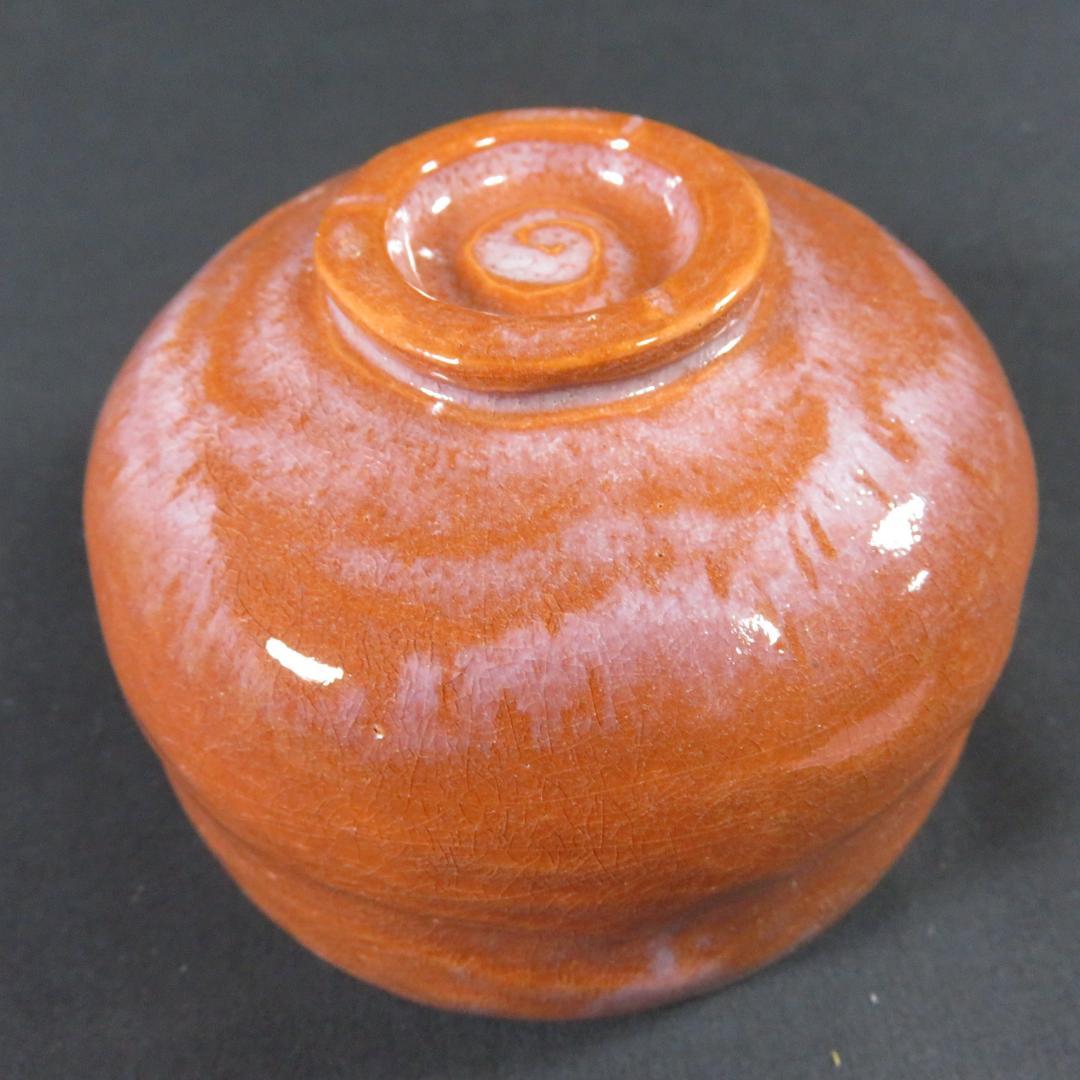
An aka-raku red tea bowl by Rakuzan, hand-shaped through the te-zukune method that defines Japanese matcha chawan at its most intentional. This hand-shaped raku pottery carries a warm amber glaze across its undulating walls and a spiral foot design concealed beneath — a quiet signature revealed only in the ritual of zen tea ceremony. Arrived in its signed wooden box, a vessel of continuity and presence.
━━━━━━━━━━━━━━━━━━━━
🔹 [ BASIC DETAILS ]
• Artist: Rakuzan (楽山)
• Technique: Aka-raku (red raku) — te-zukune (hand-shaped) forming
• Era: Contemporary (Heisei–Reiwa period)
• Origin: Japan
• Dimensions: Width approx. 11 cm, Height approx. 7 cm
• Box: Signed tomobako (共箱) inscribed "赤楽 茶碗 楽山造"
• Condition: Good, previously used
━━━━━━━━━━━━━━━━━━━━
🔹 [ CULTURAL & ARTISTIC INSIGHT ]
Raku ware (楽焼) occupies the highest seat in the hierarchy of Japanese tea ceramics — "first Raku, second Hagi, third Karatsu" (一楽二萩三唐津). Unlike wheel-thrown pottery, each raku bowl is shaped entirely by hand through the te-zukune method: the potter coils and pinches the clay, leaving the memory of every gesture in the vessel's walls. The result is never a circle. It is a presence.
Aka-raku (赤楽) — red raku — achieves its deep amber-red through oxidation firing, a process fundamentally different from the reduction-fired kuro-raku (black raku). Where black absorbs, red radiates. The warmth of this bowl's glaze carries the density of intention that defines raku at its finest.
*"The potter's fingers leave, but their warmth remains — held forever in the amber silence of raku clay."*
━━━━━━━━━━━━━━━━━━━━
🔹 [ DEEP-DIVE COMMENTARY ]
**The Raku Lineage**: Raku ware was born in Kyoto in the late 16th century when tile-maker Chojiro, under the guidance of tea master Sen no Rikyu, created the first tea bowls shaped purely by hand. The Raku family continues this unbroken lineage today, now in its 16th generation. Potters who carry "raku" or "楽" in their art name — such as Rakuzan — declare their commitment to this founding philosophy: that a tea bowl exists not as an object of display, but as a vessel for shared silence between host and guest.
**Te-zukune: The Hand Remembers**: The te-zukune forming method is deceptively simple — no wheel, no mold. The potter builds the walls through pinching and coiling, then refines the shape with a spatula (kanna). The undulating rim and the subtle asymmetry of this bowl are not accidents; they are the honest record of a dialogue between hand and clay. Each finger impression is deliberate. Each irregularity carries authorship.
**The Spiral Kodai**: The foot of this bowl features a distinctive spiral design — a bold compositional choice that distinguishes Rakuzan's work. In tea ceremony, the foot (kodai) is examined closely during the ritual appreciation of the bowl (haiken). This spiral creates a quiet moment of discovery: a visual signature concealed beneath, revealed only to those who hold the bowl with intention.
**Aka-Raku and Oxidation**: Red raku achieves its characteristic warmth through oxidation firing at approximately 800-1000°C. The iron-bearing clay body, exposed to oxygen during cooling, develops the deep amber-red that gives aka-raku its name. The glossy surface of this bowl indicates a well-controlled firing — the glaze melting fully, then freezing into a luminous skin that catches light like still water at dusk.
**The Impression Seal**: The rakuin (impressed seal) near the foot serves as the potter's quiet declaration of responsibility. It connects this individual bowl to the broader body of Rakuzan's work, establishing continuity and cultural weight for collectors who understand that provenance begins with the maker's mark.
━━━━━━━━━━━━━━━━━━━━
🔹 [ 日本語解説 ]
【基本情報】
• 作家:楽山
• 技法:赤楽・手捏ね成形
• 時代:現代(平成〜令和)
• 産地:日本
• 寸法:幅約11cm、高さ約7cm
• 付属:共箱(「赤楽 茶碗 楽山造」銘)
• 状態:良好(使用感あり)
【解説】
楽焼は「一楽二萩三唐津」と謳われ、茶の湯において最上位に位置する茶碗です。轆轤を一切使わず、手捏ね(てづくね)技法のみで成形される楽茶碗は、作り手の指の記憶をそのまま器壁に宿します。
赤楽は酸化焼成によって深い琥珀赤の発色を得る技法です。還元焼成で生まれる黒楽が光を吸収するのに対し、赤楽は温もりを放ちます。本作の光沢ある釉面は、適切な焼成管理のもとで釉薬が十分に溶融し、静水のような輝きを帯びています。
高台に施された渦巻き文様は楽山の個性的な意匠で、拝見の際に発見の楽しみを与えます。高台脇には楽印が捺され、作家の責任と矜持を静かに示しています。共箱の箱書「赤楽 茶碗 楽山造」が本作の真正性を裏付けています。
━━━━━━━━━━━━━━━━━━━━
🔹 [ SHIPPING & PACKAGING ]
• Dispatch: Within 1-6 business days
• Carrier: Japan Post EMS / UPS (with tracking)
• Packaging: Carefully wrapped with protective materials
━━━━━━━━━━━━━━━━━━━━
🔹 [ BASIC DETAILS ]
• Artist: Rakuzan (楽山)
• Technique: Aka-raku (red raku) — te-zukune (hand-shaped) forming
• Era: Contemporary (Heisei–Reiwa period)
• Origin: Japan
• Dimensions: Width approx. 11 cm, Height approx. 7 cm
• Box: Signed tomobako (共箱) inscribed "赤楽 茶碗 楽山造"
• Condition: Good, previously used
━━━━━━━━━━━━━━━━━━━━
🔹 [ CULTURAL & ARTISTIC INSIGHT ]
Raku ware (楽焼) occupies the highest seat in the hierarchy of Japanese tea ceramics — "first Raku, second Hagi, third Karatsu" (一楽二萩三唐津). Unlike wheel-thrown pottery, each raku bowl is shaped entirely by hand through the te-zukune method: the potter coils and pinches the clay, leaving the memory of every gesture in the vessel's walls. The result is never a circle. It is a presence.
Aka-raku (赤楽) — red raku — achieves its deep amber-red through oxidation firing, a process fundamentally different from the reduction-fired kuro-raku (black raku). Where black absorbs, red radiates. The warmth of this bowl's glaze carries the density of intention that defines raku at its finest.
*"The potter's fingers leave, but their warmth remains — held forever in the amber silence of raku clay."*
━━━━━━━━━━━━━━━━━━━━
🔹 [ DEEP-DIVE COMMENTARY ]
**The Raku Lineage**: Raku ware was born in Kyoto in the late 16th century when tile-maker Chojiro, under the guidance of tea master Sen no Rikyu, created the first tea bowls shaped purely by hand. The Raku family continues this unbroken lineage today, now in its 16th generation. Potters who carry "raku" or "楽" in their art name — such as Rakuzan — declare their commitment to this founding philosophy: that a tea bowl exists not as an object of display, but as a vessel for shared silence between host and guest.
**Te-zukune: The Hand Remembers**: The te-zukune forming method is deceptively simple — no wheel, no mold. The potter builds the walls through pinching and coiling, then refines the shape with a spatula (kanna). The undulating rim and the subtle asymmetry of this bowl are not accidents; they are the honest record of a dialogue between hand and clay. Each finger impression is deliberate. Each irregularity carries authorship.
**The Spiral Kodai**: The foot of this bowl features a distinctive spiral design — a bold compositional choice that distinguishes Rakuzan's work. In tea ceremony, the foot (kodai) is examined closely during the ritual appreciation of the bowl (haiken). This spiral creates a quiet moment of discovery: a visual signature concealed beneath, revealed only to those who hold the bowl with intention.
**Aka-Raku and Oxidation**: Red raku achieves its characteristic warmth through oxidation firing at approximately 800-1000°C. The iron-bearing clay body, exposed to oxygen during cooling, develops the deep amber-red that gives aka-raku its name. The glossy surface of this bowl indicates a well-controlled firing — the glaze melting fully, then freezing into a luminous skin that catches light like still water at dusk.
**The Impression Seal**: The rakuin (impressed seal) near the foot serves as the potter's quiet declaration of responsibility. It connects this individual bowl to the broader body of Rakuzan's work, establishing continuity and cultural weight for collectors who understand that provenance begins with the maker's mark.
━━━━━━━━━━━━━━━━━━━━
🔹 [ 日本語解説 ]
【基本情報】
• 作家:楽山
• 技法:赤楽・手捏ね成形
• 時代:現代(平成〜令和)
• 産地:日本
• 寸法:幅約11cm、高さ約7cm
• 付属:共箱(「赤楽 茶碗 楽山造」銘)
• 状態:良好(使用感あり)
【解説】
楽焼は「一楽二萩三唐津」と謳われ、茶の湯において最上位に位置する茶碗です。轆轤を一切使わず、手捏ね(てづくね)技法のみで成形される楽茶碗は、作り手の指の記憶をそのまま器壁に宿します。
赤楽は酸化焼成によって深い琥珀赤の発色を得る技法です。還元焼成で生まれる黒楽が光を吸収するのに対し、赤楽は温もりを放ちます。本作の光沢ある釉面は、適切な焼成管理のもとで釉薬が十分に溶融し、静水のような輝きを帯びています。
高台に施された渦巻き文様は楽山の個性的な意匠で、拝見の際に発見の楽しみを与えます。高台脇には楽印が捺され、作家の責任と矜持を静かに示しています。共箱の箱書「赤楽 茶碗 楽山造」が本作の真正性を裏付けています。
━━━━━━━━━━━━━━━━━━━━
🔹 [ SHIPPING & PACKAGING ]
• Dispatch: Within 1-6 business days
• Carrier: Japan Post EMS / UPS (with tracking)
• Packaging: Carefully wrapped with protective materials
Quantity
Couldn't load pickup availability
Low stock: 1 left
View full details