1
/
of
9
Aka-Raku Pink Tea Bowl by Sasaki Shoraku - Kyoto Raku Ware Chawan with Keshiki Smoke Effect and Signed Tomobako
Aka-Raku Pink Tea Bowl by Sasaki Shoraku - Kyoto Raku Ware Chawan with Keshiki Smoke Effect and Signed Tomobako
Regular price
Dhs. 791.00 AED
Regular price
Sale price
Dhs. 791.00 AED
Taxes included.
Shipping calculated at checkout.
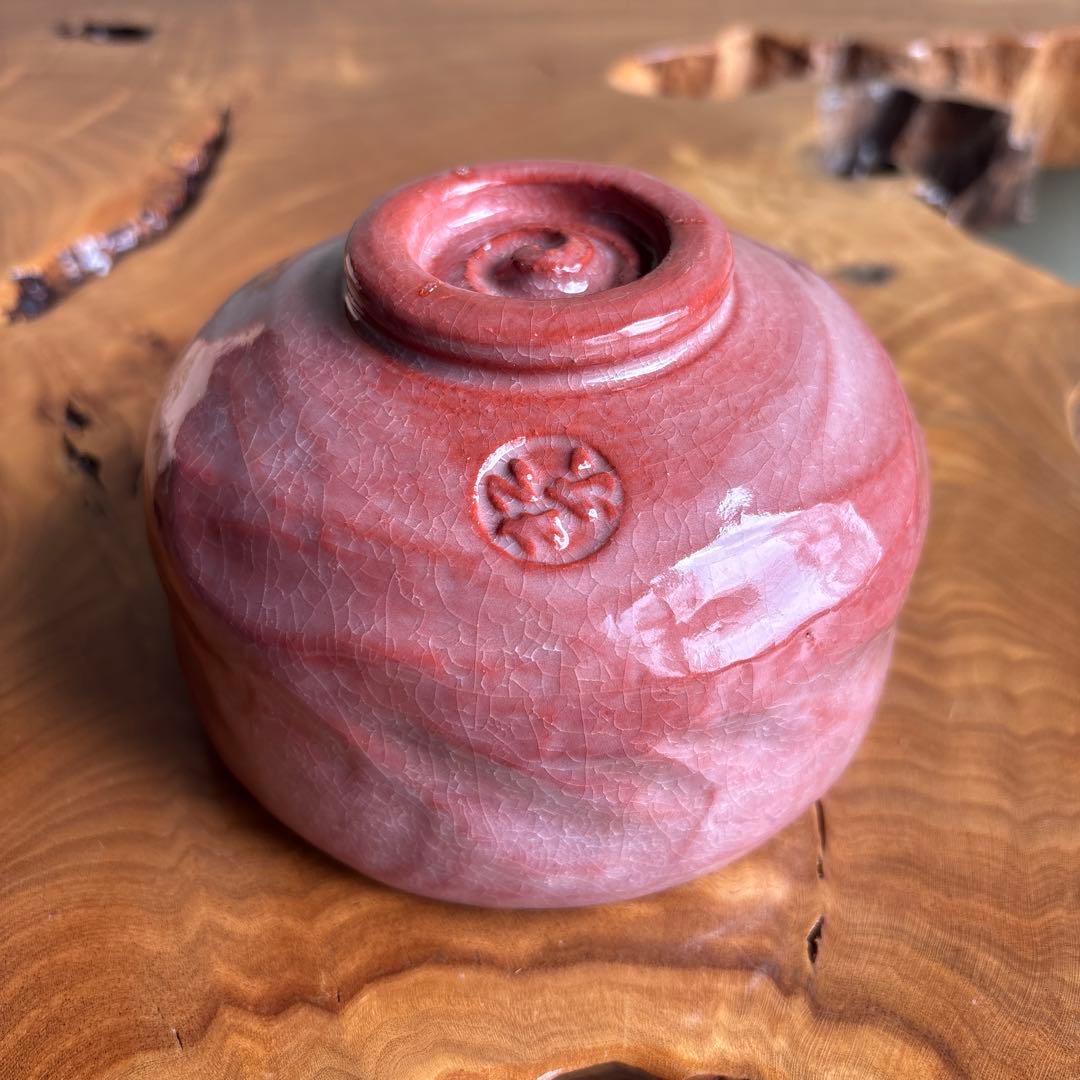
Experience authentic Japanese tea culture with this Aka-Raku Pink Tea Bowl by Sasaki Shoraku. This Japanese Matcha Bowl serves as a Kyoto Raku Ware masterpiece and Handmade Tea Ceremony Chawan, featuring Cherry-Pink Glaze and Smoke Keshiki Landscape—a must-have for any Art Collector seeking authentic Wabi Sabi Ceramics and Zen Tea Accessories.
━━━━━━━━━━━━━━━━━━━━
🔹 [ BASIC DETAILS ]
• Artist: Sasaki Shoraku (佐々木松楽)
• Technique: Aka-raku (red raku) – tezukune hand-forming with smoke keshiki effect
• Era: Contemporary (Heisei-Reiwa period)
• Origin: Kameoka, Kyoto, Japan – Sasaki Shoraku kiln (Raku ware tradition)
• Dimensions: Diameter approx. 11.3 cm × Height approx. 8.5 cm (4.4" × 3.3")
• Box: Tomobako (artist-signed paulownia wood box) with cord and seal
• Condition: Excellent – no cracks, chips, or repairs
━━━━━━━━━━━━━━━━━━━━
🔹 [ CULTURAL & ARTISTIC INSIGHT ]
The Sasaki Shoraku kiln is one of the most distinguished living lineages in Kyoto Raku ware, currently in its third generation, producing tea bowls that have been used in tea schools across Japan for nearly a century. The Shoraku name (松楽—"pine raku") signals both reverence for the founding Raku family seal and an aspiration toward the evergreen permanence of the pine tree.
This particular bowl departs from the typical fire-orange of standard aka-raku and arrives at a remarkably refined cherry-pink (sakura-iro)—a hue achieved through delicate manipulation of glaze chemistry and firing atmosphere. Even more striking is the dramatic keshiki (景色, literally "scenery") on one side: dark smoke-grey shadows pool and drift across the pink, creating a landscape that resembles a moonlit cherry tree at dusk, or a winter rain darkening a spring petal. The interior glows the same warm pink, with subtle radial brushwork that catches the light. The hand-pinched form bears the visible memory of the maker's palms, the rim slightly irregular and inviting, the foot resting confidently on a circular base.
*"Cherry-blossom pink, then the shadow of the rain—both held in a single bowl."*
━━━━━━━━━━━━━━━━━━━━
🔹 [ DEEP-DIVE COMMENTARY ]
**The Sasaki Shoraku Lineage**: Founded in 1922 in Kameoka, Kyoto, the Sasaki Shoraku kiln has produced tea bowls actively endorsed and used by major tea schools including Urasenke and Omotesenke. The kiln upholds the four-century Kyoto raku tradition: hand-forming each bowl without a wheel, single-bowl firings in a small kiln, and pulling each chawan from the flame at peak heat with iron tongs—the technique that gives raku its name and its life.
**The Keshiki Phenomenon**: The smoke-shadow on this bowl is not random. Skilled raku potters introduce combustible material into the kiln during the cooling phase, allowing controlled smoke to reduce the surface and leave dark traces wherever it pools. Each firing produces a unique result; no two bowls can ever be identical. This dramatic gradient between cherry-pink and smoke-grey is highly desirable among collectors and represents a master-level execution of the technique.
**For Tea Practice**: The bowl's slightly tall, deep form is well-suited to both koicha (thick tea) and the colder months when matcha benefits from extra insulation. The porous low-fire body keeps tea pleasantly warm while remaining cool enough in the hand to hold comfortably—a quality that has kept raku at the heart of Japanese tea for four hundred years.
━━━━━━━━━━━━━━━━━━━━
🔹 [ 日本語解説 ]
【基本情報】
• 作家:佐々木松楽
• 技法:赤楽焼(手捏ね・煙景色の窯変)
• 時代:現代(平成〜令和)
• 産地:京都府亀岡市
• 寸法:直径約11.3cm × 高さ約8.5cm
• 付属:共箱・紐(楽印)
• 状態:極上(ヒビ・カケなし)
【解説】
佐々木松楽窯は、大正11年(1922年)創業、京都楽焼の伝統を継承する名門窯です。表千家・裏千家両派でも用いられる確かな伝来を持ち、現当主まで三代にわたり手捏ね・低火度焼成の本道を守り続けています。
本作は通常の朱赤を超え、桜色とも称すべき淡いピンク赤楽。さらに片側に大胆な煙景色(けしき)が黒く流れ、まるで夜桜に翳る雨のような幻想的な景観を生んでいます。窯変の景色は一椀ごとに異なり、再現不可能。手捏ねの呼吸が口縁の歪みに残り、見込みは桃色の温もりに包まれます。共箱・紐付、楽印朱書の正統な伝来品です。
━━━━━━━━━━━━━━━━━━━━
🔹 [ SHIPPING & PACKAGING ]
• Dispatch: Within 1-6 business days
• Carrier: Japan Post EMS / UPS (with tracking)
• Packaging: Carefully wrapped with protective materials
*In the kiln's last breath, smoke and blossom became one bowl.*
━━━━━━━━━━━━━━━━━━━━
🔹 [ BASIC DETAILS ]
• Artist: Sasaki Shoraku (佐々木松楽)
• Technique: Aka-raku (red raku) – tezukune hand-forming with smoke keshiki effect
• Era: Contemporary (Heisei-Reiwa period)
• Origin: Kameoka, Kyoto, Japan – Sasaki Shoraku kiln (Raku ware tradition)
• Dimensions: Diameter approx. 11.3 cm × Height approx. 8.5 cm (4.4" × 3.3")
• Box: Tomobako (artist-signed paulownia wood box) with cord and seal
• Condition: Excellent – no cracks, chips, or repairs
━━━━━━━━━━━━━━━━━━━━
🔹 [ CULTURAL & ARTISTIC INSIGHT ]
The Sasaki Shoraku kiln is one of the most distinguished living lineages in Kyoto Raku ware, currently in its third generation, producing tea bowls that have been used in tea schools across Japan for nearly a century. The Shoraku name (松楽—"pine raku") signals both reverence for the founding Raku family seal and an aspiration toward the evergreen permanence of the pine tree.
This particular bowl departs from the typical fire-orange of standard aka-raku and arrives at a remarkably refined cherry-pink (sakura-iro)—a hue achieved through delicate manipulation of glaze chemistry and firing atmosphere. Even more striking is the dramatic keshiki (景色, literally "scenery") on one side: dark smoke-grey shadows pool and drift across the pink, creating a landscape that resembles a moonlit cherry tree at dusk, or a winter rain darkening a spring petal. The interior glows the same warm pink, with subtle radial brushwork that catches the light. The hand-pinched form bears the visible memory of the maker's palms, the rim slightly irregular and inviting, the foot resting confidently on a circular base.
*"Cherry-blossom pink, then the shadow of the rain—both held in a single bowl."*
━━━━━━━━━━━━━━━━━━━━
🔹 [ DEEP-DIVE COMMENTARY ]
**The Sasaki Shoraku Lineage**: Founded in 1922 in Kameoka, Kyoto, the Sasaki Shoraku kiln has produced tea bowls actively endorsed and used by major tea schools including Urasenke and Omotesenke. The kiln upholds the four-century Kyoto raku tradition: hand-forming each bowl without a wheel, single-bowl firings in a small kiln, and pulling each chawan from the flame at peak heat with iron tongs—the technique that gives raku its name and its life.
**The Keshiki Phenomenon**: The smoke-shadow on this bowl is not random. Skilled raku potters introduce combustible material into the kiln during the cooling phase, allowing controlled smoke to reduce the surface and leave dark traces wherever it pools. Each firing produces a unique result; no two bowls can ever be identical. This dramatic gradient between cherry-pink and smoke-grey is highly desirable among collectors and represents a master-level execution of the technique.
**For Tea Practice**: The bowl's slightly tall, deep form is well-suited to both koicha (thick tea) and the colder months when matcha benefits from extra insulation. The porous low-fire body keeps tea pleasantly warm while remaining cool enough in the hand to hold comfortably—a quality that has kept raku at the heart of Japanese tea for four hundred years.
━━━━━━━━━━━━━━━━━━━━
🔹 [ 日本語解説 ]
【基本情報】
• 作家:佐々木松楽
• 技法:赤楽焼(手捏ね・煙景色の窯変)
• 時代:現代(平成〜令和)
• 産地:京都府亀岡市
• 寸法:直径約11.3cm × 高さ約8.5cm
• 付属:共箱・紐(楽印)
• 状態:極上(ヒビ・カケなし)
【解説】
佐々木松楽窯は、大正11年(1922年)創業、京都楽焼の伝統を継承する名門窯です。表千家・裏千家両派でも用いられる確かな伝来を持ち、現当主まで三代にわたり手捏ね・低火度焼成の本道を守り続けています。
本作は通常の朱赤を超え、桜色とも称すべき淡いピンク赤楽。さらに片側に大胆な煙景色(けしき)が黒く流れ、まるで夜桜に翳る雨のような幻想的な景観を生んでいます。窯変の景色は一椀ごとに異なり、再現不可能。手捏ねの呼吸が口縁の歪みに残り、見込みは桃色の温もりに包まれます。共箱・紐付、楽印朱書の正統な伝来品です。
━━━━━━━━━━━━━━━━━━━━
🔹 [ SHIPPING & PACKAGING ]
• Dispatch: Within 1-6 business days
• Carrier: Japan Post EMS / UPS (with tracking)
• Packaging: Carefully wrapped with protective materials
*In the kiln's last breath, smoke and blossom became one bowl.*
Quantity
Couldn't load pickup availability
Out of stock
View full details