1
/
of
10
Aka-Raku Chawan Named “Seijaku” — Wooden Box Inscribed Shōraku, Kyoto Raku Tradition
Aka-Raku Chawan Named “Seijaku” — Wooden Box Inscribed Shōraku, Kyoto Raku Tradition
Regular price
Dhs. 1,116.00 AED
Regular price
Sale price
Dhs. 1,116.00 AED
Taxes included.
Shipping calculated at checkout.
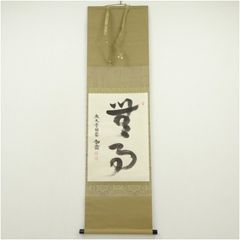
A hand-built chawan in aka-raku ware, its low-fired lead glaze pooling from warm coral into passages of grey-black scorching near the rim — traces left by the fire’s movement through the kiln. The rim carries the gentle unevenness of hand-forming rather than wheel-throwing, and the foot is thick and largely unglazed. The wooden box lid bears a cursive inscription reading 松楽造 (“made by Shōraku”), and a separate hand on the same lid names the piece — seller-described as “Seijaku” (静寂, “tranquility”), the calligraphy in turn attributed to 前大徳 Takahashi Etsudō. Independent authentication of either inscription has not been performed.
🔹 [ BASIC DETAILS ]
• Attribution: Box lid inscription reads 松楽造 (“made by Shōraku”); seller-described as the work of Sasaki Shōraku (佐々木松楽), a Kyoto raku-yaki workshop. Not independently authenticated.
• Name (Mei): Seller-described as “Seijaku” (静寂, “tranquility” / “stillness”).
• Priest’s Inscription: A separate cursive hand on the box lid is seller-described as that of 前大徳 Takahashi Etsudō (高橋悦道). Independent verification of the inscription’s authorship has not been performed.
• Technique: Hand-built aka-raku — low-fired, lead-glazed earthenware, formed by hand rather than thrown on a wheel.
• Era: Likely mid-to-late 20th century, based on glaze surface, foot finish, and form. Not independently authenticated.
• Origin: Kyoto, Japan — raku-yaki tradition.
• Dimensions: Diameter approx. 12.1 cm; foot diameter approx. 5.2 cm; height approx. 7.9 cm.
• Box: With wooden box (共箱) bearing the maker’s and the priest’s inscriptions; accompanied, per the seller’s listing, by a shifuku silk pouch and the original outer box with label.
• Condition: No losses, cracks, or repairs visible in the photographs reviewed; surface shows the glaze pooling and firing clouds expected of hand-built raku ware.
🔹 [ CULTURAL & ARTISTIC INSIGHT ]
Historical Context: Raku ware traces to 16th-century Kyoto, where the potter Chōjirō, working under the direction of the tea master Sen no Rikyū, developed hand-built, low-fired tea bowls suited to the restraint of wabicha. The surname Raku itself passed down through a hereditary line at a single Kyoto kiln, while other workshops in the city, operating outside that direct lineage, continued the same forming and firing technique under their own kiln names. This piece sits within that broader tradition rather than the principal Raku family line; the box attributes it to a workshop using the name Shōraku.
Technique & Aesthetic: Aka-raku’s warm coral body comes from an iron-bearing clay coated in a near-transparent lead glaze and fired at comparatively low temperature, in contrast to the black manganese glaze of kuro-raku. Removed from the kiln while the glaze is still soft, the surface cools unevenly, leaving the drifting grey-black clouding visible across this bowl’s rim — a record of the firing itself rather than a pattern applied afterward. In the vocabulary of tea, such passages are read as 景色 (keshiki), “scenery”: the kiln’s own hand in the object’s face.
Philosophical Reflection: A tea-name like 静寂 asks the drinker to sit with the bowl before using it — to let the clouded glaze and the quiet of the room arrive together. The clouded rim settles like breath held and released: a stillness built from fire, not a stillness before it.
🔹 [ DEEP-DIVE COMMENTARY ]
Raku technique, defined narrowly, means hand-pinching or paddling a bowl from a lump of clay — no wheel — then firing it singly in a small kiln at roughly 750–1000°C, well below the temperature of wheel-thrown stoneware. The piece is often pulled from the kiln while the glaze still glows, then air-cooled or, for aka-raku, allowed to cool more gradually; either way, the short firing and hand control over the moment of removal give raku ware its individuality — no two firings behave the same way twice.
Aka-raku and kuro-raku are the two classical registers of the technique. Aka-raku uses an iron-bearing clay body under a transparent lead glaze, producing the warm coral-to-salmon tones seen here; kuro-raku instead coats the body in a manganese-bearing black glaze fired hotter and cooled by sudden withdrawal from the kiln. The choice between them is as much a seasonal and compositional decision within a tea gathering as a technical one.
Collectors value raku ware for its direct line to wabicha aesthetics — Sen no Rikyū’s insistence that a tea bowl’s worth lay in restraint and irregularity rather than display. A hand-formed, unevenly glazed bowl like this one embodies that principle materially: the maker’s hand, not a mold or a wheel, sets its final shape. The added convention of a priest’s box inscription and tea-name — as seen here with Takahashi Etsudō’s calligraphy — belongs to the same culture: utensils accumulate a second layer of meaning through the people who handle and name them, distinct from, and evaluated separately from, questions of the maker’s own identity.
It is worth noting that “Raku” names two different things in the trade: a specific hereditary family line centered on one Kyoto kiln, and a firing technique now practiced by many potters and workshops across Japan under their own names — Shōraku among them. Collectors should keep the two apart; a box inscription naming a raku-technique workshop is not, by itself, a claim to the principal Raku lineage.
The technique’s appeal has carried into contemporary studio pottery, where its speed, unpredictability, and the potter’s presence at the moment of firing keep it in active practice among traditional Kyoto workshops and independent makers alike.
🔹 [ 日本語解説 ]
手びねりで成形された赤楽の茶碗。低火度で焼かれた鉛釉は、温かい珊瑚色の地から縁にかけて灰黒色の景色へと沈み込み、窯の中を火が動いた痕跡を残している。轆轤を使わない赤楽特有の、縁のゆるやかな歪みが見て取れ、高台は厚く、ほとんど施釉されていない。共箱の蓋には「松楽造」と読める草書の銘があり、出品者はこれを佐々木松楽(京都の楽焼窯)の作としている。同じ蓋の別筆による銘は、出品者の説明によれば「静寂」であり、その筆は前大徳・高橋悦道によるものとされる。いずれの筆跡についても第三者による鑑定は行われていない。
🔹 基本情報
・帰属:箱蓋の銘は「松楽造」と読め、出品者は佐々木松楽(京都の楽焼窯)の作としている。第三者による鑑定は未実施。
・銘:出品者の説明による「静寂」。
・書付:箱蓋の別筆は、出品者の説明によれば前大徳・高橋悦道によるもの。筆跡そのものの鑑定は行われていない。
・技法:手びねりによる赤楽(低火度・鉛釉の軟質陶器)。轆轤を使わない成形。
・年代:釉調・高台の仕上げ・器形から、昭和中期〜後期頃と推定。断定はできない。
・産地:京都・楽焼の系譜。
・寸法:口径約12.1cm、高台径約5.2cm、高さ約7.9cm。
・箱:作者銘と書付の両方が記された共箱。出品者の記載によれば、仕覆(絹の袋)と元箱(ラベル付き)も付属。
・状態:確認した写真の範囲では、欠け・ひび・修理の跡は見られない。釉の溜まりと景色は、手びねり赤楽に特有のもの。
🔹 文化的・芸術的背景
楽焼は16世紀の京都に遡り、陶工・長次郎が茶人・千利休の指導のもとで、侘び茶の作法にふさわしい、手びねり・低火度の茶碗を作り出したことに始まる。「楽」の姓は一子相伝で一つの窯に受け継がれた一方、京都の他の窯もまた、その系譜の外で同じ成形・焼成の技法を、それぞれの窯名のもとで続けてきた。本作は、楽家本流ではなく、その広い伝統の中に位置づけられるものであり、箱の銘は「松楽」という窯名を示している。
赤楽の温かい珊瑚色の地肌は、鉄分を含む陶土にほぼ透明な鉛釉をかけ、比較的低い温度で焼くことで生まれる。黒楽のマンガン系黒釉とは対照的である。釉がまだ柔らかいうちに窯から引き出されることで表面は不均一に冷え、この茶碗の縁に見える灰黒色の広がりが生じる——これは後から施した文様ではなく、焼成そのものの記録である。茶の湯の言葉では、こうした景色は「景色」と呼ばれ、窯自身の手が器の表情に残ったものとされる。
静寂という銘は、使う前にまずこの茶碗と共に静かに座ることを促す——曇った釉と部屋の静けさが、共に訪れるように。縁に広がる雲のような景色は、抑えられ、そして解き放たれた息のように沈んでいる。火によって作られた静けさであって、火の前にあった静けさではない。
🔹 ディープダイブ解説
楽焼の技法を狭く定義すれば、轆轤を使わず、粘土の塊を手でひねり、あるいは叩いて一つずつ成形し、小型の窯でおよそ750〜1000度という、轆轤成形の炻器よりずっと低い温度で個別に焼くことを指す。釉がまだ赤熱しているうちに窯から引き出されることも多く、そのまま空冷するか、赤楽の場合はより緩やかに冷ますことが多い——いずれにせよ、短い焼成時間と引き出しの瞬間における作り手の判断が、楽焼一つひとつに個性を与えており、同じ焼き上がりは二つとない。
赤楽と黒楽は、この技法の中の二つの古典的な系統である。赤楽は鉄分を含む陶土にほぼ透明な鉛釉をかけて温かい珊瑚色から鮭色の色調を生み出し、黒楽はより高温で焼成し、窯から急に引き出すことでマンガン系の黒釉を定着させる。両者の選択は、技術的な判断であると同時に、茶会における季節や取り合わせの判断でもある。
コレクターが楽焼を評価するのは、それが侘び茶の美意識——茶碗の価値は華美さではなく抑制と不均整にあるという千利休の考え方——に直接つながっているためである。この茶碗のように、手で成形され、釉むらのある器は、その原則を物質として体現している。型や轆轤ではなく、作り手の手が最終的な形を決めている。ここに見られるような、書家による箱書きと銘という慣習もまた、同じ文化に属する——道具は、それを扱い、名づけた人々によって、作り手自身の同一性の問題とは別に、もう一層の意味を蓄積していく。
なお、取引上「楽」という語は二つの異なるものを指す点に注意が必要である——一つは京都の特定の一窯を中心とする世襲の家系、もう一つは、松楽をはじめ日本各地の多くの窯や陶工が、それぞれの名のもとで実践している焼成技法そのものである。両者は区別すべきであり、楽焼技法を用いる窯名が箱に記されていることは、それ自体では楽家本流への帰属を意味しない。
この技法の魅力は現代の作家陶芸にも受け継がれており、そのスピード、予測不可能性、そして焼成の瞬間に作り手が立ち会うという性質が、伝統的な京都の窯と独立系の作り手の双方において、今なお実践され続けている。
🔹 [ SHIPPING & PACKAGING ]
• Dispatch: Within 1-6 business days
• Carrier: Japan Post EMS / UPS / FedEx (with tracking)
• Packaging: Carefully wrapped with protective materials
Quantity
Couldn't load pickup availability
Low stock: 1 left
View full details