1
/
of
10
Aka-Raku Chawan by Sasaki Shoraku — Kyoto Red Raku Tea Bowl
Aka-Raku Chawan by Sasaki Shoraku — Kyoto Red Raku Tea Bowl
Regular price
Dhs. 840.00 AED
Regular price
Sale price
Dhs. 840.00 AED
Taxes included.
Shipping calculated at checkout.
A red raku chawan by Sasaki Shoraku — shaped in Kyoto, in the lineage of hand-formed wares that have accompanied tea since the sixteenth century. The glaze is a bright, warm orange-red, carrying passages of amber-ochre across the body; down one side, a smoky grey-blue kiln variation settles like a quiet landscape, a keshiki born in flame. The interior is glossy, the rim gently irregular, the foot exposed — the form holds nothing back, and nothing is added.
🔹 [ BASIC DETAILS ]
• Artist: Sasaki Shoraku (佐々木松楽), Kyoto Raku lineage
• Technique: Aka-raku (red raku), hand-formed, low-fire kiln
• Era: Contemporary (est. 1990s)
• Origin: Kyoto, Japan
• Dimensions: Diameter approx. 11.5 cm, Height approx. 8 cm
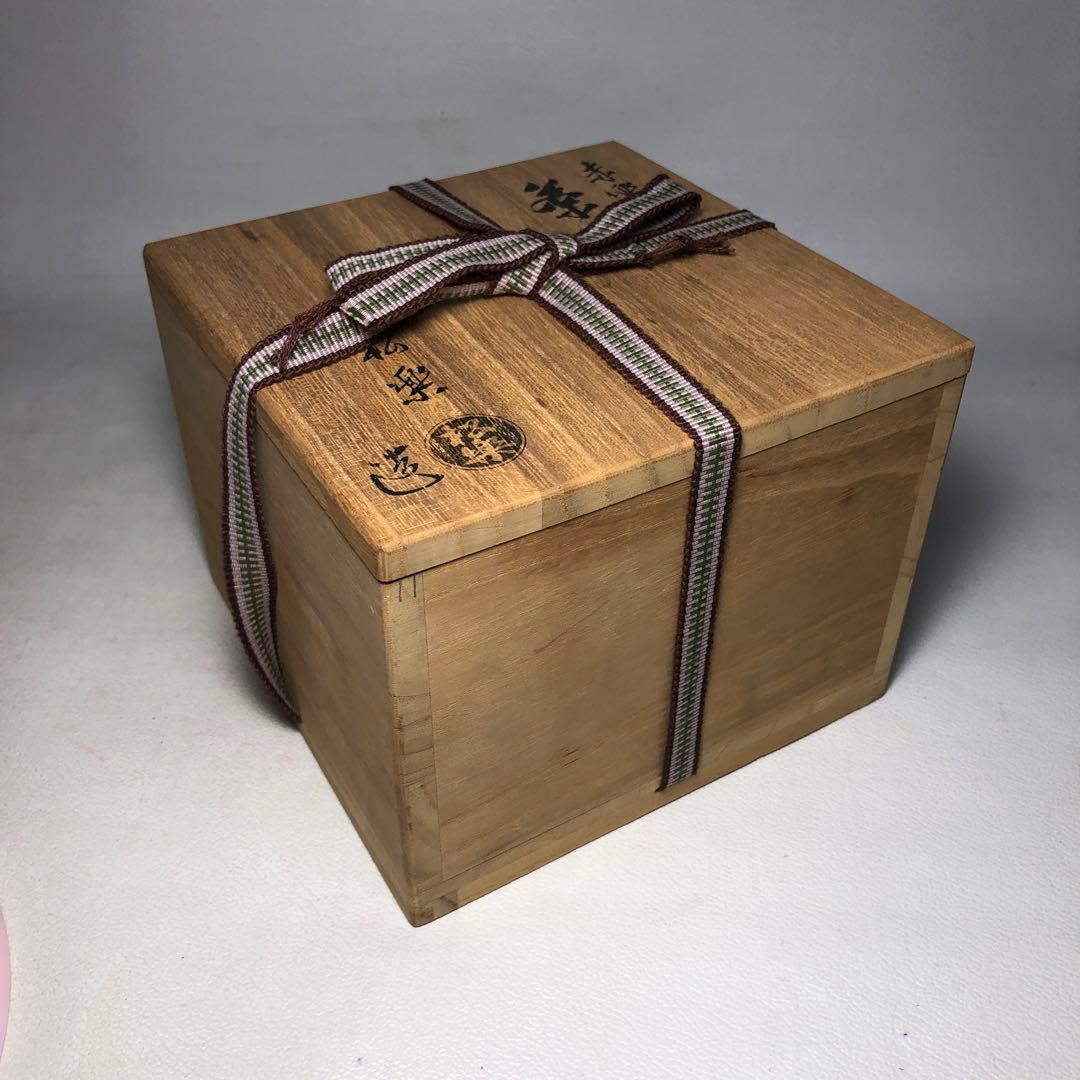
• Box: Signed wooden tomobako, titled 赤楽 茶盌 松楽造
• Condition: No cracks or chips
🔹 [ CULTURAL & ARTISTIC INSIGHT ]
The keshiki — the landscape that appears on a Raku bowl as a result of kiln atmosphere — is not painted or planned. It is witnessed. In the aka-raku tradition, the warmth of the red glaze anchors the form in presence, while the accidental passages of grey-blue carry the trace of fire's passage through the chamber. Raku's place in wabi-cha is not incidental: Sen no Rikyu chose the original Raku potter, Chojiro, because the unadorned bowl had more to say in silence than any decorated vessel could.
The fire wrote this, and the hand received it.
🔹 [ DEEP-DIVE COMMENTARY ]
Aka-raku, or red raku, is one of the two original forms established in the Raku tradition — the other being kuro-raku, the black. Where kuro-raku absorbs the gaze in depth, aka-raku catches light on its surface, radiating warmth. The red comes from an iron-rich glaze that achieves its color in oxidation during cooling, the iron holding orange and amber tones depending on the exact thickness and the chemistry of the clay body beneath.
Raku firing is low-temperature, typically below 1000°C, and always brief. The potter places the formed and glazed piece directly into a small kiln, watches the glaze mature, and withdraws the piece by tongs while it is still glowing. This moment — the exact state of the fire, the atmosphere within the chamber, the speed of withdrawal — determines the final appearance. The grey-blue variation visible on this chawan is a product of that atmosphere: a local shift in oxidation or a shadow cast by the kiln wall, settled into the glaze as it cooled.
The Raku lineage begins in sixteenth-century Kyoto, where the tile-maker Chojiro was invited by Sen no Rikyu to create bowls suited to the new aesthetic of wabi-cha — tea as a practice of restraint, silence, and the acknowledgment of impermanence. Chojiro's first bowls bore no decoration, no glaze pattern, no dynamism of form. They were plain, heavy, hand-shaped. Toyotomi Hideyoshi gave the family the character "Raku" — meaning ease, contentment — and the lineage has continued through fifteen successive heads, each named Raku, working in Kyoto to the present day. Sasaki Shoraku works within this tradition from a closely associated Kyoto kiln, carrying the same method and spirit.
Raku bowls are among the most intimately human of all ceramic forms. Thrown bowls carry the uniformity of the wheel; Raku bowls carry only the potter's hands. Each surface is the trace of a single act: the clay pressed, turned, coaxed. There is nothing to correct afterward, no glaze to smooth, no second firing to adjust. Collectors who have held a Raku bowl often describe the same experience: the weight is unexpected, the temperature holds, and the bowl asks to be used rather than displayed.
Contemporary potters working in the Raku method continue to find collectors who understand the form as an object of use rather than ornament. A chawan like this one — signed, boxed, formed by a maker who has spent years within the tradition — carries not only aesthetic weight but the evidence of a living practice. The tomobako is not merely packaging; it is provenance. The potter's inscription is a record of authorship, and the name Shoraku a declaration of lineage.
[ JAPANESE DESCRIPTION / 日本語解説 ]
佐々木松楽による赤楽茶碗。京都楽家の系譜に連なる一器。
うつわに目をあてると、明るく温かみのある赤橙の釉薬が器体を包み、黒みを帯びた飴色の流れが所々に浮かぶ。片側には燻んだ灰青の景色——窯の大気が生んだ偶然の変化——が静かに横たわる。光沢を帯びた内側、やや不揃いな口縁、素地の見える高台。この形は何も隠さず、何も付け加えない。
🔹 [ 基本情報 ]
• 作者:佐々木松楽(京都楽系)
• 技法:赤楽、手づくね成形、低火度焼成
• 時代:現代作(推定1990年代)
• 産地:京都
• 寸法:口径約11.5 cm、高さ約8 cm
• 箱:共箱(「赤楽 茶盌 松楽造」と題)
• 状態:欠け、ひびなし
🔹 [ 文化・芸術的背景 ]
楽茶碗に現れる「景色」——窯の雰囲気が生む、描かれたのではない模様——は計画されたものでも意図されたものでもない。それはただ、目撃されるものだ。赤楽の伝統において、赤い釉薬の温もりはうつわを「今ここ」に繋ぎとめ、灰青の偶然の流れが炎の通り道を記録する。楽が侘び茶に選ばれたのは偶然ではない。千利休が初代長次郎の碗を求めたのは、無飾の椀が沈黙の中で、飾り立てた器よりもはるかに多くを語っていたからだ。
——火がこれを書き、手がそれを受け取った。
🔹 [ 詳細解説 ]
赤楽は、楽家が確立した二形式のうちの一つだ(もう一つは黒楽)。黒楽が奥へと光を吸い込むとすれば、赤楽は表面で光を受けて温もりを放つ。赤の発色は鉄分を含んだ釉薬によるものであり、冷却時の酸化雰囲気の中で橙から飴へと移行する。その色調は、釉薬の厚み、胎土の成分、そして冷え方のわずかな差によって一点一点異なる。
楽焼の焼成温度は低く、通常1000℃以下。焼成時間も短い。陶工は施釉した作品を小さな窯に直接入れ、釉薬が熟するのを見届け、炎熱の中でトングを使ってうつわを取り出す。この瞬間——炎の状態、窯内の雰囲気、引き出しの速度——が最終的な表情を決定する。この茶碗に見られる灰青の変化は、その瞬間の産物だ。窯壁の影、局所的な酸化の揺らぎが釉薬に沈んで冷え固まった。
楽家の系譜は16世紀の京都に始まる。瓦師の長次郎が千利休の求めに応じて碗を作り始めた。侘び茶に適した碗——装飾を持たず、静かで、無常を受け入れる形の碗を。豊臣秀吉は楽家に「楽」の字を与えた。以来十五代にわたって京都で継承されてきた系譜は、今日も続いている。佐々木松楽は、この伝統に深く連なる京都の窯から、同じ精神をもって仕事をしている。
楽茶碗は、陶芸における最も人間的な形式のひとつだ。轆轤成形の碗には均一性がある。楽茶碗にあるのは、陶工の手の跡だけだ。その表面は一つの行為の記録——粘土が押され、回され、形になる瞬間。あとから直すことはできず、釉薬をならし直す機会もなく、二度目の焼成で調整する余地もない。楽茶碗を手にとった収集家がよく口にするのは同じことだ——重さが想像と違う、温かさが長く残る、飾るよりも使いたいと思う、と。
現代において楽焼の伝統の中で仕事をつづける陶工たちは、この形を装飾品としてではなく、使うための器として理解する収集家と出会い続けている。署名があり、共箱があり、伝統の中で長年を費やした作家によって作られた茶碗——それは美的な重みだけでなく、生きた営みの証拠でもある。共箱は単なる梱包材ではない。それは来歴だ。陶工の箱書きは作者性の記録であり、「松楽」の名は系譜の宣言だ。
🔹 [ SHIPPING & PACKAGING ]
• Dispatch: Within 1-6 business days
• Carrier: Japan Post EMS / UPS / FedEx (with tracking)
• Packaging: Carefully wrapped with protective materials
Quantity
Couldn't load pickup availability
Low stock: 1 left
View full details