1
/
of
9
Aka-Raku Chawan by Nidai Konishi Heinai — Horiuchi Sokan Inscription, Taikou Kiln
Aka-Raku Chawan by Nidai Konishi Heinai — Horiuchi Sokan Inscription, Taikou Kiln
Regular price
Dhs. 1,689.00 AED
Regular price
Sale price
Dhs. 1,689.00 AED
Taxes included.
Shipping calculated at checkout.
Aka-raku chawan by Nidai Konishi Heinai of Taikou Kiln, with tomobako inscription by Horiuchi Sokan of the Omotesenke Horiuchi family. Red-white-green-gray yohen of exceptional depth. Aka raku chawan Japanese tea bowl Omotesenke certified tea ceremony Taikou kiln hand-formed red raku matcha bowl wabi-sabi ceramic provenance. A bowl whose authority arrives before you lift it.
🔹 [ BASIC DETAILS ]
• Maker: 二代 小西平内 (Nidai Konishi Heinai), 太閤窯 (Taikou Kiln)
• Box Inscription: 堀内宗完 (Horiuchi Sokan), Omotesenke Horiuchi family
• Dimensions: D 13 cm × H 8.2 cm
• Condition: Excellent; consistent with a bowl in full working life, carefully kept
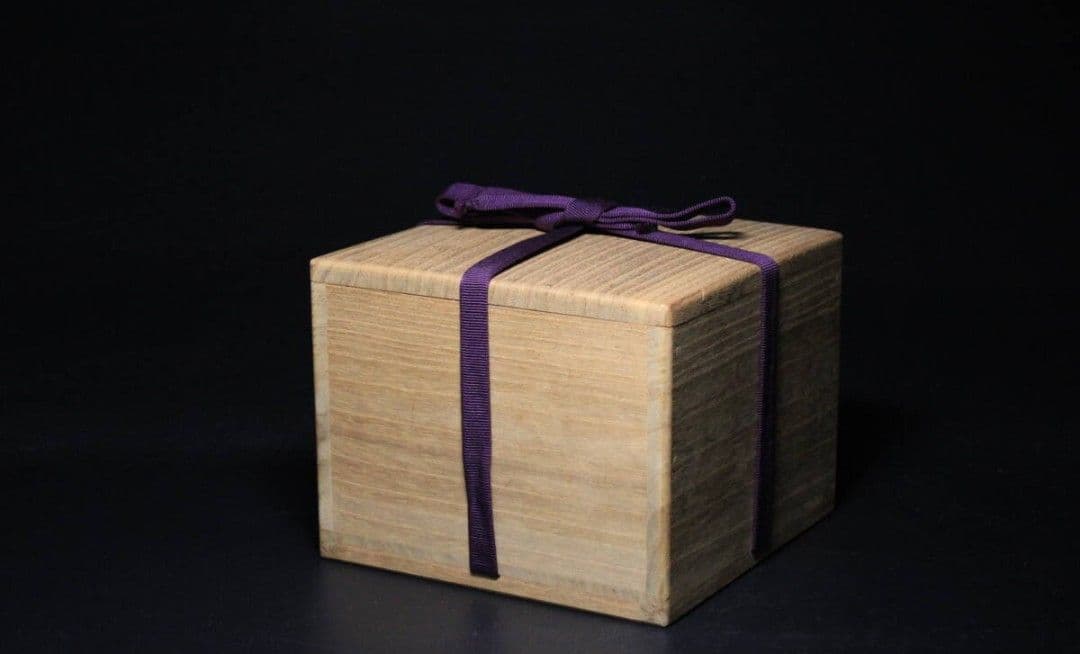
• Provenance: Tomobako with Horiuchi Sokan's calligraphic inscription — text references water imagery and bamboo
🔹 [ CULTURAL INSIGHT ]
In the world of Japanese chado, who names the box matters as much as who made the bowl. Horiuchi Sokan carries the authority of the Omotesenke Horiuchi family — one of the houses that has held the form of the tea ceremony across centuries. When a tea master of that lineage takes brush to wood and writes across a tomobako lid, the act is not decoration. It is a reading: this bowl has been seen, held, and found worthy of name. The calligraphy references water and bamboo — motifs of stillness and resilience that run through the aesthetics of wabi-cha like a ground tone.
🔹 [ DEEP-DIVE ]
The surface of this aka-raku chawan is not red in any simple sense. The base glaze fires toward deep brick, but the kiln's intervention produces white bloom, green-gray fade, and a texture that reads differently under each light source. Nidai Konishi Heinai — the second-generation master of Taikou Kiln — worked in a tradition that treats the kiln not as a tool but as a collaborator. The hand forms the clay; the flame makes the decision about what that clay becomes.
Against a black background, the surface of this bowl reads as landscape: a field of color that holds depth rather than displaying it. Museum-grade presentation in the photographs because the object demanded it. The tomobako inscription by Horiuchi Sokan elevates this from a craft object to a documented piece of tea culture — a bowl with a confirmed place in a lineage.
For the collector who understands that certified provenance in Japanese ceramics is not paperwork but cultural weight — this bowl arrives fully accounted for.
🔹 [ 日本語解説 ]
太閤窯・二代小西平内造の赤楽茶碗。表千家堀内家・堀内宗完による箱書付(水の画並びに文字竹 自筆)が付随する、格調ある一碗です。赤・白・緑灰の窯変が複雑に重なり合い、楽焼の炎の痕跡が器面全体に深く刻まれています。堀内家の箱書付は茶道具としての来歴と格を証明するものであり、蒐集品・茶席用として高い価値を持ちます。
🔹 [ SHIPPING & PACKAGING ]
• Dispatch: Within 1-6 business days
• Carrier: Japan Post EMS / UPS (with tracking)
• Packaging: Carefully wrapped with protective materials
🔹 [ BASIC DETAILS ]
• Maker: 二代 小西平内 (Nidai Konishi Heinai), 太閤窯 (Taikou Kiln)
• Box Inscription: 堀内宗完 (Horiuchi Sokan), Omotesenke Horiuchi family
• Dimensions: D 13 cm × H 8.2 cm
• Condition: Excellent; consistent with a bowl in full working life, carefully kept
• Provenance: Tomobako with Horiuchi Sokan's calligraphic inscription — text references water imagery and bamboo
🔹 [ CULTURAL INSIGHT ]
In the world of Japanese chado, who names the box matters as much as who made the bowl. Horiuchi Sokan carries the authority of the Omotesenke Horiuchi family — one of the houses that has held the form of the tea ceremony across centuries. When a tea master of that lineage takes brush to wood and writes across a tomobako lid, the act is not decoration. It is a reading: this bowl has been seen, held, and found worthy of name. The calligraphy references water and bamboo — motifs of stillness and resilience that run through the aesthetics of wabi-cha like a ground tone.
🔹 [ DEEP-DIVE ]
The surface of this aka-raku chawan is not red in any simple sense. The base glaze fires toward deep brick, but the kiln's intervention produces white bloom, green-gray fade, and a texture that reads differently under each light source. Nidai Konishi Heinai — the second-generation master of Taikou Kiln — worked in a tradition that treats the kiln not as a tool but as a collaborator. The hand forms the clay; the flame makes the decision about what that clay becomes.
Against a black background, the surface of this bowl reads as landscape: a field of color that holds depth rather than displaying it. Museum-grade presentation in the photographs because the object demanded it. The tomobako inscription by Horiuchi Sokan elevates this from a craft object to a documented piece of tea culture — a bowl with a confirmed place in a lineage.
For the collector who understands that certified provenance in Japanese ceramics is not paperwork but cultural weight — this bowl arrives fully accounted for.
🔹 [ 日本語解説 ]
太閤窯・二代小西平内造の赤楽茶碗。表千家堀内家・堀内宗完による箱書付(水の画並びに文字竹 自筆)が付随する、格調ある一碗です。赤・白・緑灰の窯変が複雑に重なり合い、楽焼の炎の痕跡が器面全体に深く刻まれています。堀内家の箱書付は茶道具としての来歴と格を証明するものであり、蒐集品・茶席用として高い価値を持ちます。
🔹 [ SHIPPING & PACKAGING ]
• Dispatch: Within 1-6 business days
• Carrier: Japan Post EMS / UPS (with tracking)
• Packaging: Carefully wrapped with protective materials
Quantity
Couldn't load pickup availability
Out of stock
View full details